Author Interview: Camille Di Maio

camilleToday I’m welcoming Camille Di Maio to my series of author interviews. Camille is the author of The Memory of Us, the story of a young and wealthy Protestant woman in pre-­‐war Liverpool who befriends an Irish Catholic seminarian. Torn between her family’s expectations and her growing love for someone she’s not supposed to be with, the story follows Julianne’s journey through war, tragedy, secrets, and redemption.

Elizabeth: Welcome, Camille. Can you tell us more about your novel?

camilles bookCamille: Thank you for having me. I have always wanted to write a novel, ever since I was twelve years old. The idea to write something about a forbidden love appealed to me. When I was a teenager, we participated in something called the Ulster Project. It brought teens from Belfast, Northern Ireland to Denver for a summer. At the time, tensions were still very high between the denominations over there. Catholics and Protestants did not mingle, date, do business together, etc. So, this became the basis for the idea of a forbidden love. Ratcheting it up with Kyle, a poor immigrant on the path to priesthood and Julianne, a wealthy Protestant socialite, put many obstacles in their path – money, religion, etc.

Elizabeth: What drew you to this topic?

Camille: The topic really came together for me one day as I was driving, and the Beatles song, “Eleanor Rigby” came through on my iPod. Although I’ve heard it many times, I think I had this “forbidden love” theme brewing, and the song hit me in a particular way. Who was the old priest in the song? Who was the lonely woman? Then I thought – what if they had a history together? All the pieces started to fall in to place.

Elizabeth: How much historical fact is woven in to your story?

Camille: Quite a lot. While the plot is entirely fictional, everything surrounding it is not. The cultural tensions. The details of nursing school at the time. The terrible bombings during the Blitz. I meticulously researched fashion, food, history, lingo and such to give it as authentic a feel as I could. Nearly every place mentioned is real.

Elizabeth: What is your writing process?

Camille: While writing The Memory of Us, I drank lots of Dr. Pepper (I’m a good Texan) and stayed up until about 3 or 4 every morning writing a first draft. We have four children and run a business, so this was the only quiet time I had. My husband was a champ. Now that I’ve learned so much more about the craft of writing, I am trying to be disciplined by writing about one thousands words per day. Either the early morning or late night works best for me – when everything else in the house is settled.

Elizabeth: What are you working on now?

Camille: My publisher just bought my second book, Before the Rain Falls, which will be out in the spring of 2017. I’m about halfway finished writing it. It is quite different from the first book. It is partially historical, being set in Texas during the 1940s. And, it is told from three points of view.

Elizabeth: What have you read recently that you feel passionate about?

Camille: I am an unabashed Kate Morton fan, and her most recent book, The Lake House, was full of her signature poetic words and captivating story. This one was her first attempt at a mystery, and I found elements to be quite like another of my favorite authors, Agatha Christie.

Elizabeth: Can you tell us more about yourself?

Camille: I love the phrase “suck the marrow out of life”. I really don’t waste a minute. My bucket list is a zillion miles long, and I’m always in pursuit of something adventurous. My biggest passion is travel. I’ve been to about three-­quarters of the states, four continents, and I’m always figuring out a way to plan another trip. But, most importantly, I have been married to my husband, Rob, for nineteen years, we home school our four children, and Rob and I have been real estate investors/counselors for sixteen years. And, my faith is a big component of my life.

We’ve now reached the time in our interview for the let’s-­get-­to-­know-­the-­author-­better, nearly pointless, sort-­of-­silly, rapid-­fire questions:

Elizabeth: Coffee or tea?

Camille: Coffee – but only if it has loads of sugar and flavoring so that it masks the actual taste of the coffee. I like the IDEA of coffee.

Elizabeth: Ocean or mountain?

Camille: Ocean. I grew up in Denver at the foot of the Rockies, but I am SO at home near water.

Elizabeth: Hiking or shopping?

Camille: Shopping. I don’t own one pair of shoes that would be appropriate for a real hike.

Elizabeth: Violin or piano?

Camille: Piano. I studied it for eight years, but I’m quite rusty now.

Elizabeth: Mystery or fantasy?

Camille: Mystery.

Elizabeth: Darcy or Heathcliff?

Camille: Both! But, even better, Mr. Rochester. (I’m a huge fan of British literature.)

Elizabeth: Love scene or death scene?

Camille: Death scene. I love a good cry.

To learn more about Camille and her books, visit the sites below:

Website: http://www.CamilleDiMaio.com
Twitter: @camilledimaio
Instagram: camilledimaio_author
Facebook: http://www.facebook.com/camilledimaio.author
Book trailer: https://www.youtube.com/watch?v=_LhGrvDii9g
Buy a book; help an African village

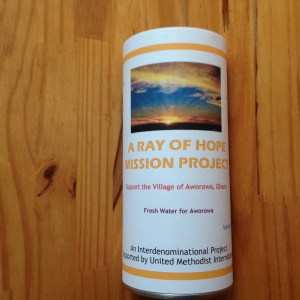
imageI am donating all the money I make from sales of Syncopation in the month of April to A Ray of Hope Mission Project. This is an interdenominational project that supports the village of Aworowa in Ghana. Money will be used for social projects including expanding the availability of clean water, support to the Aworowa Clinic, teacher training, school computers, uniforms and playground equipment, supplies for four schools, support for the Wenchi Hospital, medical equipment, small business support, job training and more.

So, please help me help the people of Aworowa. My church has a close working relationship with the Methodist church in Aworowa. The money I raise will be spent by the people of Aworowa.

Syncopation is available as an e-book for $4.99 from Smashwords ,  Barnes and Noble , Kobo, iBook (via your iProduct’s Apple store). My cut of the price of the book is different at each retailer, but I will donate all that I earn.

I grabbed the can (pictured above) from my church, St. Paul’s United Methodist, this morning. My family’s goal is to fill it with $100.

Thanks for your support!

Author Interview: Michelle Cox

michelle cox

Today I’m welcoming Michelle Cox to my series of author interviews. Michelle is the author of the Henrietta and Inspector Howard mystery novels. The first in the series, A Girl Like You, has just released.

Elizabeth: Welcome, Michelle.

Michelle: Thanks for having me, Elizabeth!

Elizabeth: Can you tell us about your novel?

michelle cox book coverMichelle: A Girl Like You is the first in a historical mystery series set in 1930’s Chicago. It’s about a young, impoverished woman, Henrietta Von Harmon, who works as a 26 girl at the local bar to support her mother and siblings until she is persuaded by a friend to take up taxi dancing. Soon after she starts working there, the floor matron is murdered, and Inspector Clive Howard appears on the scene to investigate. Drawn to her apparent innocence and beauty, he persuades her to go undercover for him in a burlesque house to search for the killer.

Elizabeth: What drew you to this time and place?

Michelle: I’ve always loved the war years, and originally I wanted to set the story in the 1940’s, but the real woman that the fictional Henrietta is based on had a job at the Chicago World’s Fair in 1933, and I really wanted to use that detail, so I set the story a decade earlier. As for the place, I love Chicago. I’ve been here since 1986 when I came for college and have never looked back. It’s a very cool, unique city.

Elizabeth: How much historical fact is woven into your stories?

Michelle: The character of Henrietta is based on a real woman’s story I heard while working in a nursing home. I’ve written an article in which I outlined what parts of the story are real, and oddly, the more outlandish parts are the truth! Obviously, though, her story didn’t really involve a murder nor an aloof, handsome detective! The streets and the neighborhoods are all real, as are some of the places mentioned, such as the Aragon Ballroom and the Green Mill, but other places are made up.

Elizabeth: What does your research process look like?

Michelle: Honestly, a lot of Googling. Unlike a lot of other historical fiction writers, I don’t really get caught up in researching all the details. I’d much rather write the story. Anything that requires a bit of research gets written as “XXXX’s” in the narrative, and then I go back later and fill it in.

Elizabeth: What is your writing process?

Michelle: I have to write first thing in the morning, so as soon as the kids are off to school and my husband to work, which is 6:50 am, I sit down and start writing. No exceptions. I write even on vacations and sometimes even on holidays! When I first started, I would write just an hour a day, then two, then four. Now I set aside seven hours, but a lot of that these days is taken up with promo work.

Elizabeth: In what sort of situation will we next find Henrietta?

Michelle: Great question! Book 2 and 3 of this series are already written. In fact, I’m due to turn in the manuscript for Book 2 (working title, But Was He Honest?) for edits any day now. I don’t want to give anything away, but Book 2 picks up just where Book 1 ends. We find out what happens next in Henrietta and the Inspector’s relationship and what trouble they find themselves in now. Also, the reader has to figure out who the “he” is in the title who wasn’t exactly honest. Is it the Inspector? Or someone else? Or both?

Elizabeth: You are also the author of “How to Get Your Book Published in 7000 Easy Steps–A Practical Guide” which appears on your blog. Can you tell us about that?

Michelle: Thanks for asking about my blog! It’s the thing that gives me the most dread each week to write, but once it’s done, I find it amusing. I hope others do, too. I started it because I wanted to write about the publishing process in a funny way, from the newbie’s perspective. Everyone thinks that getting a book published is the end-all, the pinnacle! But then you find out that your work is just beginning, that you’re not at the pinnacle, you’re just at the base of yet another mountain. There’s something tragically funny there. But I try to throw in some real tips, too.

Elizabeth: What have you read recently that you feel passionate about?

Michelle: To be honest, I haven’t read a ton of contemporary fiction. I’ve spent most of my teens and adult life reading the classic canon, so questions like this always make me nervous. Since I’ve ventured out of my hole, I find Lauren Willig’s Pink Carnation series and Elizabeth Peter’s Amelia Peabody series extremely well-done. Excellent writing and very funny. I also think Barbara Stark-Nemon’s Even in Darkness was incredibly well-written, in my humble opinion. I absolutely loved it. It goes beyond entertainment into the realm of serious literary art.

Elizabeth: Can you tell us more about yourself?

Michelle: I’m married to a Brit and have three children, all of whom present their own challenges, especially the Brit. We live in the Chicago suburbs with a very needy dog. I used to love baking, gardening and board games before the book took over my life.

We’ve now reached the time in our interview for the let’s-get-to-know-the-author-better, nearly-pointless, sort-of-silly, rapid-fire questions:

Elizabeth: Coffee or tea?

Michelle: Coffee

Elizabeth: Ocean or mountain?

Michelle: Mountain

Elizabeth: Hiking or shopping?

Michelle: Hiking

Elizabeth: Violin or piano?

Michelle: Piano

Elizabeth: Mystery or fantasy?

Michelle: Mystery

Elizabeth: Darcy or Heathcliff?

Michelle: DARCY!

Elizabeth: Love scene or death scene?

Michelle: Love scene!

To learn more about Michelle, her mystery series, and her tips for newbie writers, visit her blog at http://michellecoxauthor.com

You can also friend her on Facebook, https://wwwfacebook.com/michellecoxwrites

Follow her on twitter: @michellecox33

And buy her books on amazon: http://amzn.to/1RELGYi

Thanks to Michelle for joining us today.

Formatting my e-book

I’ve decided to go with Smashwords as my e-book distributor. There are lots of reasons: the reach of their distribution, the no up-front cost, their strict format requirements. I’m impressed with how much formatting they ask authors to do before uploading a book. Smashwords e-books have a consistent, high-quality look. Smashwords makes available an easy-to-read, easy-to-follow formatting guide. Although the formatting is time-consuming, it isn’t difficult.

A began re-formatting my book at about 7:30am this morning. Smashwords requires that the author save her document as a .doc file. I did that, then I followed the guide, formatting my novel and saving as I went so as not to lose my work. I took a long break for lunch, and finished the formatting about 4pm.

My book looked clean and beautiful. I was SO happy with the formatting! A day well spent!

I decided to send myself a copy on email so that I would have a backup.

When I clicked on the folder where I had saved my document, I was surprised to see two documents with the same name. Looking more closely, I saw that one was called Syncopation.doc and the other was called Syncopation.doc.docx.

My stomach started hurting.

I opened the document with the Smashwords required .doc file name. It was my original document, lacking the formatting clean-up I’d spent the day doing.  I opened the .doc.docx file and it was my beautifully clean, perfectly formatted document. Probably hiding all sorts of foul .docx formatting garbage.

I felt like throwing up.

Sighing heavily, I clicked “save as” and gave this document a new name and chose the .doc extension. When all other aspects are ready for my e-book upload, I will use this file and see if Smashwords accepts or rejects it.  I may have to spend another long day doing exactly what I did today.

Well, hopefully not exactly.


The Advantages to Writing Only Once a Week

Many writers voice the opinion that if you want to be a writer, you need to write every day. I disagree. For the past thirteen years, I have been writing only one day a week (with a few exceptions). Here are the advantages:

1.You don’t write many throw-away scenes.

I spend the entire week thinking about what comes next. I get ideas, reject ideas, change ideas, and expand ideas all in my head. When I sit down to write, I’m confident that the scene I write is meant to be there.

2. You know your characters intimately.

In the time between my writing sessions, my characters talk to me. I listen. We converse. These conversations roam in ways that a story doesn’t. I learn their histories, their desires, their fears. I learn a lot of things that will never be in the story.

3.You are energized when you sit down to write.

This is true for two reasons. First, I look forward to my writing day with great anticipation. Hooray! I get to write today! Second, I haven’t been exhausting myself on other days, pushing myself to write when there is nothing there, writing crap, deleting crap, hating myself, etc. Instead, on those other days, I’ve been quietly thinking, resting up for my big day of writing.

4.You will be a better reviser.

I know I said in #1 that I don’t write throw-away scenes, but once that first draft is finished, everything is on the cutting board. On my non-writing days, I’m thinking carefully about the whole story, the character arcs, what needs more explanation, what needs less, on and on. When writing day arrives, I know what part of the manuscript I’m attacking, how I’m attacking it, and I’m excited!

5.You can take advantage of the extra time in your week to exercise.

Writers are famously inactive. I used to walk to and from work. For an hour a day (thirty minutes each way) I could think about my novel with very few distractions. Now, I swim three to four times a week. Swimming laps can be pretty boring, but for me, it’s a time of intense conversation with my characters.

Yes, there are also advantages to writing every day, and that works well for some people. Many successful writers write every day. And they’re successful. Probably a lot more successful than me. Still.

I’ve tried to write every day. But with family and work and other commitments, I was too tired, writing crap, and feeling bad about myself and my writing.

One day (OK, really it’s only a half-day), once a week, fits into my busy schedule. Rejecting the every-day writing and committing myself to once a week has worked wonders on my writing, my confidence, and my happiness.

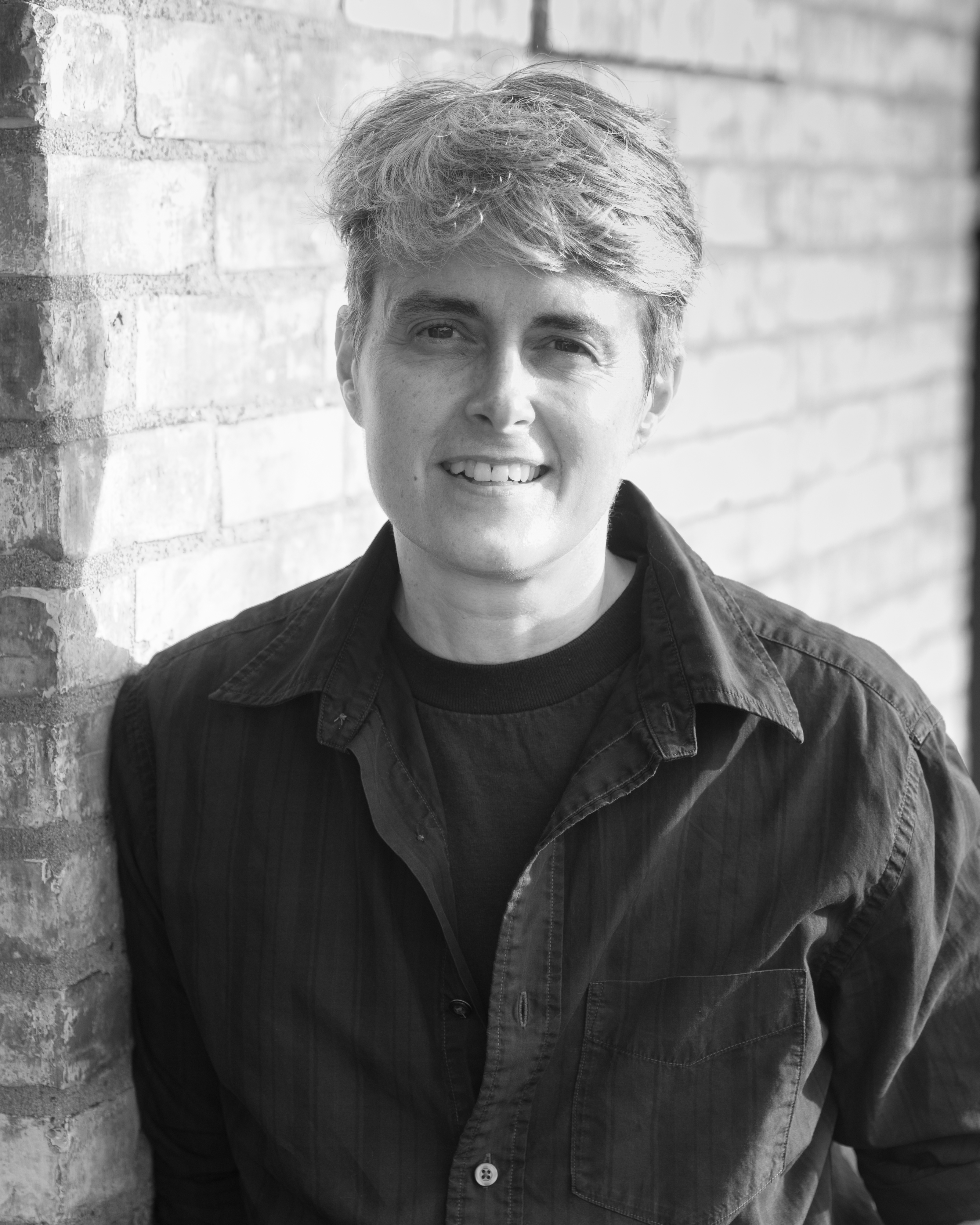
Interview with Author Pat Schmatz

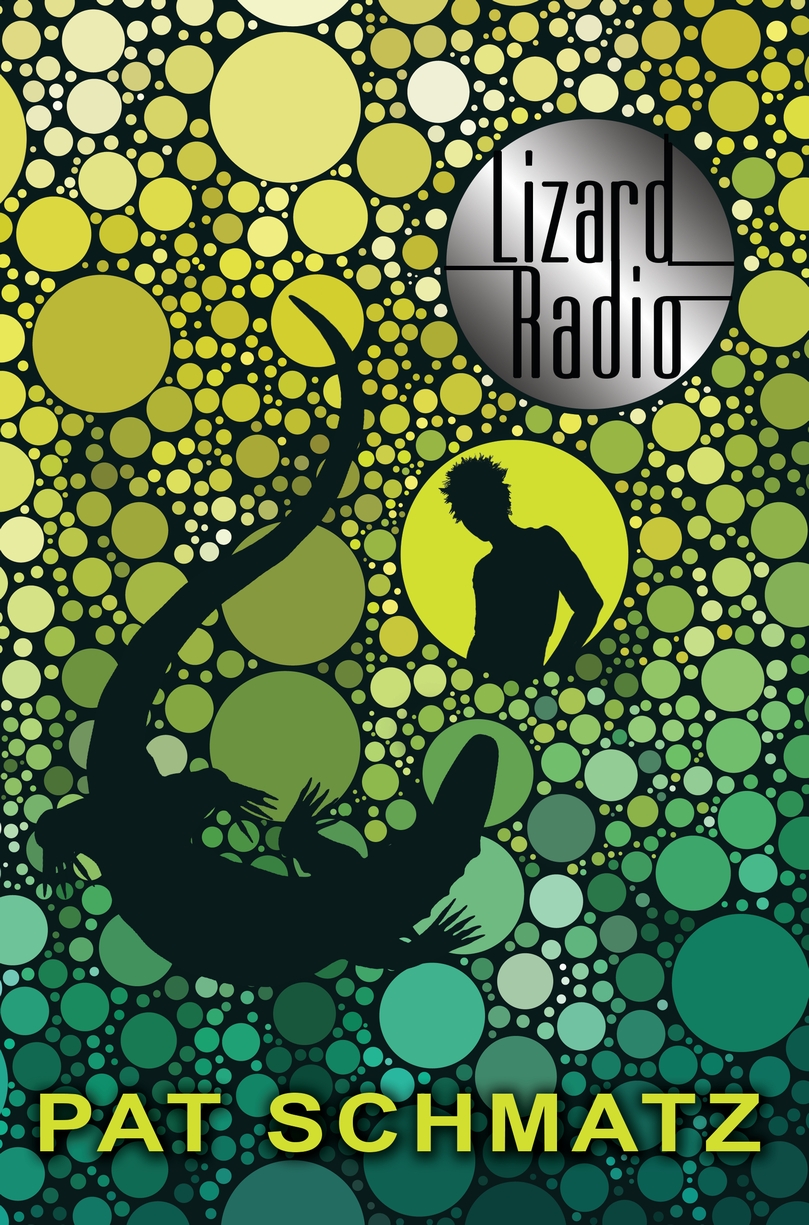
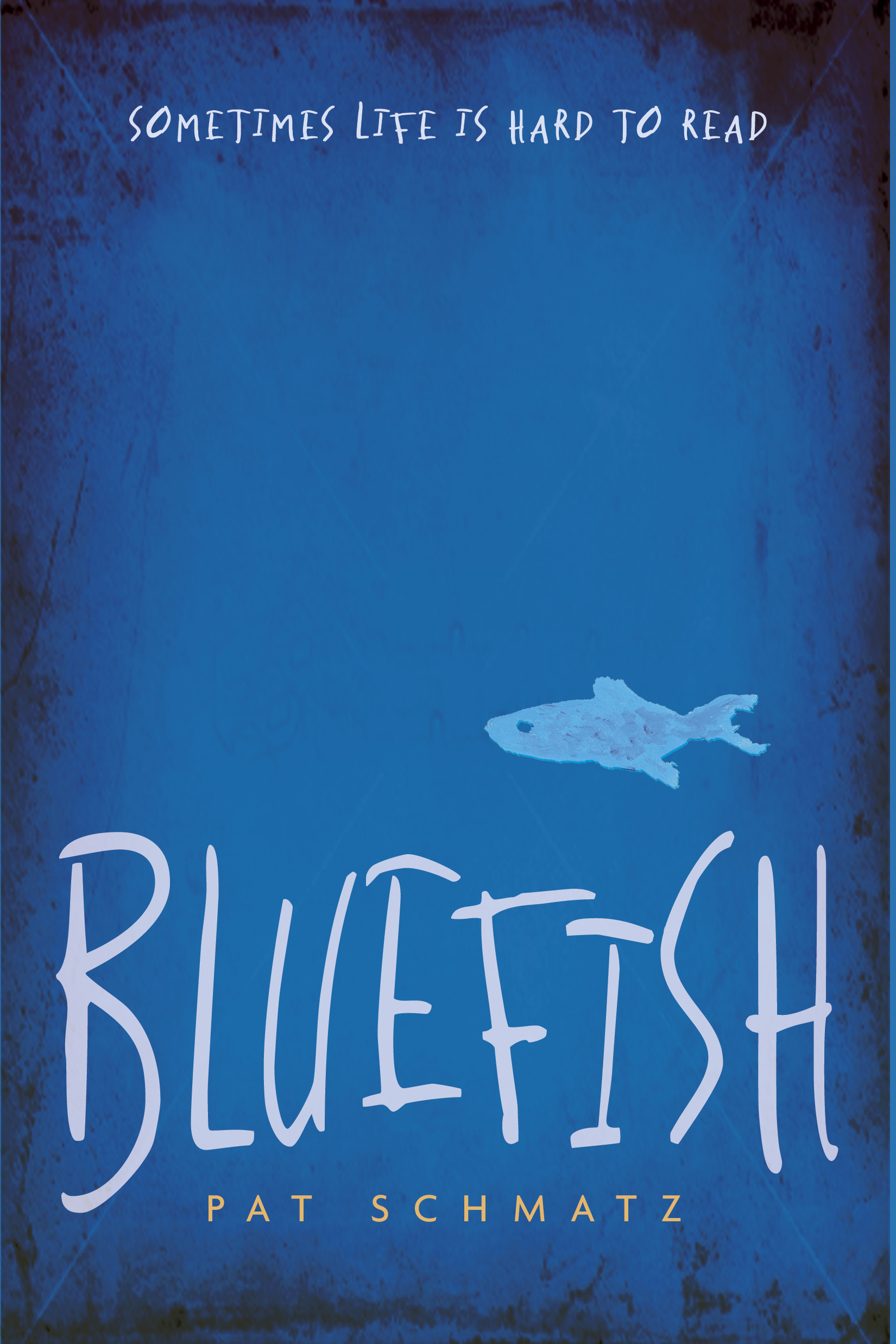
Today I’m welcoming Pat Schmatz to my series of author interviews. Pat is the author of a number of novels for young adults including Bluefish, Mousetraps, Mrs. Estronsky and the U.F.O., Circle the Truth, and the recently released Lizard Radio.

Q: Welcome, Pat! Can you tell us about your new novel, Lizard Radio?

A: Lizard Radio is a coming of age story that takes place in an alternate universe, about Kivali, a gender-queer teen who might also sometimes be a lizard. It started a few years back when I sketched a young lizard wearing headphones. The lizard was trying desperately to get a signal. I began following the character, and she led me to some very unusual places. Kirkus Reviews called it science fiction, which surprised me. Others have called it dystopian. I don’t think it’s much more dystopian than our own world. I think my favorite description of it came from The Horn Book, who called it “mildly magical.”

More than anything, I’d say that it’s the story of Kivali figuring out how to tune into her own sense of ethics and truth, and to find the gray areas and gaps in the borders of a world that constantly demands either-or decisions and commitments.

Q: Many of your novels are character-driven, with a teenage protagonist who is, or thinks s/he is, an outsider. How do you go about developing your characters?

A: Like the lizard, most of my characters come to me as an impression, a feeling. They present themselves, and then I begin asking questions. I do a lot of question-asking throughout the writing process, actually writing out the dialogue of question and answer. I’ve found that a good tool for drawing out the character’s authentic voice. I also do a lot of work with setting, because I think setting and character are inextricably intertwined. I use poetry a lot. I’m not a particularly good poet, but I find the characters will often say things to me in poetry that they might not say in prose.

Q: You mentioned at a recent conference that because your novels are focused on characters, your books have been criticized for being “light on plot.” However, a starred review from Kirkus says that Lizard Radio has an “intricate, suspenseful plot.” Did you do anything differently when writing your most recent novel?

A: I did! I made up my mind that this time, by God, I was going to figure out how to plot. Someone had recommended The Plot Whisperer by Martha Alderson on draft #3, or maybe it was #4, I read from that book every day and followed instructions. I drew charts and graphs. I wrote out note cards. I hung graphs on my office wall. I thought very consciously about the rise and fall of action and emotion. I found it difficult – sort of like incorporating math into writing – but I think it helped.

Q: What do you find the greatest challenge in writing books for teenagers?

A: I don’t find any different challenges in writing books for teenagers that I do any other kind of writing. The greatest challenge for every writing project is to get a draft written. Once I have a rough story on paper, honing it is a matter of patience and hard work. But to go from the blank page to a real story, with living breathing people? That’s the challenge.

Q: What are some of the things you’ve done to promote your books?

A: I’m not a great promoter. When I visit schools or libraries, I like to have a topic or a workshop to teach. I find readings and signings excruciating, and I’m not much of a performer, but I do enjoy teaching. I’m passionate about books and creative expression – whether that’s writing, music, art, dance, whatever – so it’s fun to bring kids into that world with me.

I usually start my school visits off with the (true-ish) story about my very first school visit, which involved an almost debilitating case of nerves and an unfortunate encounter with a poopsicle (dog-flavored). That story generally loosens up the crowd and settles me down. Most everyone likes a good dog poop story.

Q: Do you have a favorite book or author?

A: The book that changed everything for me was The Outsiders by S.E. Hinton. I read it when I was 10 or 11, and it told some truths that resonated for me in a way nothing else ever had. I decided after reading it that I wanted to write for teens. I’m amazed, when I talk with students about it now, how much kids still engage with those characters.

We’ve now reached the time in our interview for the let’s-get-to-know-the-author-better, nearly-pointless, sort-of-silly, rapid-fire questions:

Q: Pizza or salad?
A: Pizza

Q: Ocean or mountain?
A: Ocean

Q: Tree house or doll house?
A: Tree

Q: Violin or piano?
A: Piano

Q: Comic story or learn-something story?
A: Neither. I’ll pick feel-something story every time.

Q: Laura Ingalls Wilder or Hermione Granger?
A: Can I pick Ginny Weasley?

Great Choice!

To learn more about Pat and her books, visit her website http://www.patschmatz.com, like her on Facebook http://facebook.com/PatSchmatzBooks, or follow her on twitter http://twitter.com/schmatz5

Thanks, Pat!

Septimus Heap and International Children’s Book Day

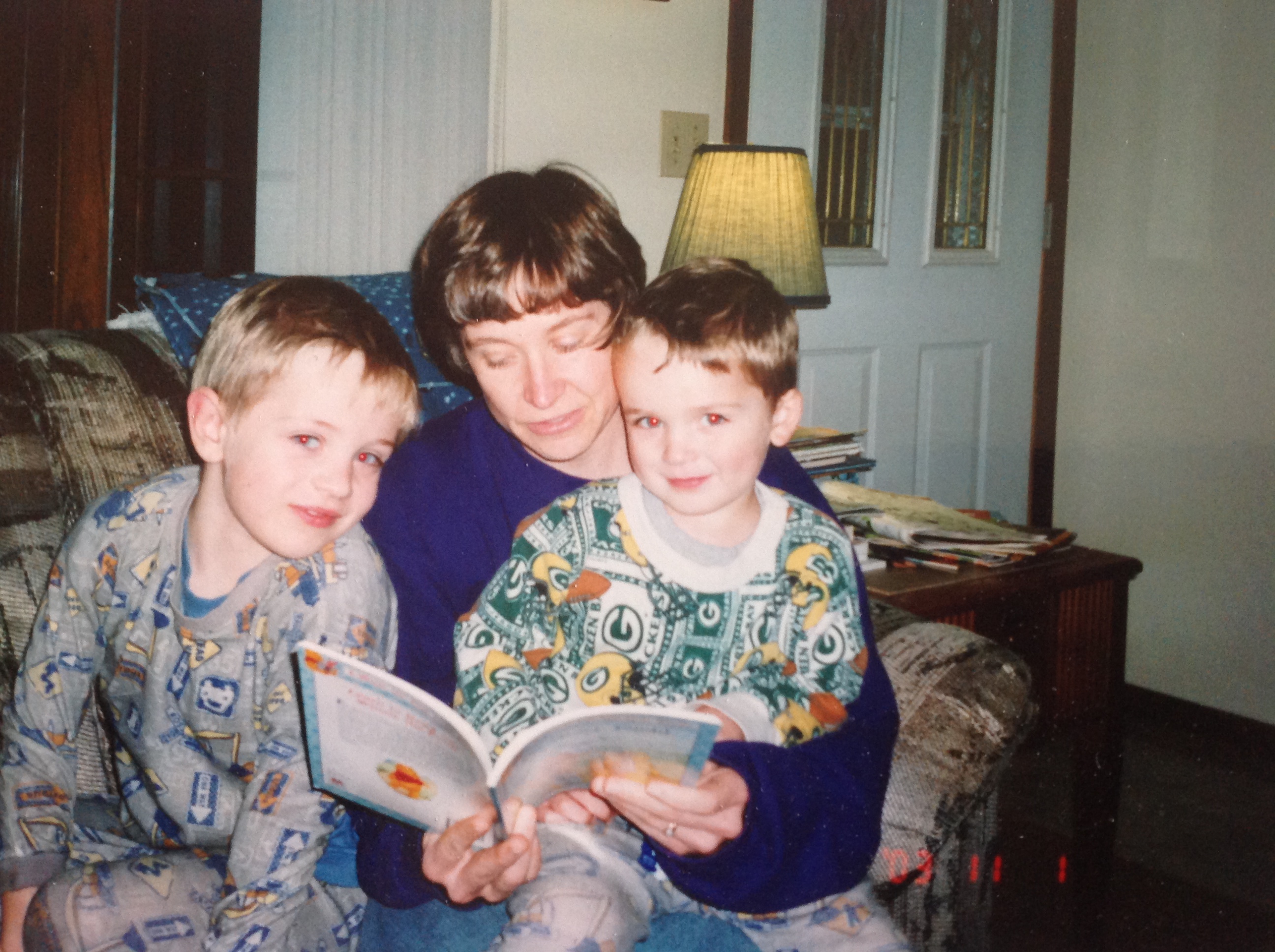
Me reading to my boys (a few years ago)
Me reading to my boys (who no longer fit on my lap)

When my boys were little, we did a lot of reading aloud, including Angie Sage’s Septimus Heap books, a 7-book, middle-grade fantasy series about the seventh son of a seventh son. We read books 1-3, then got book 4 when it came out. By the time book 5 came out, we were reading them on our own, and I had forgotten so much about the earlier books, that I didn’t know what was going on all the time. I decided I’d wait for books 6 and 7 to come out and then start at the beginning again.

And then the years went by and I forgot….

Until I found book 7 in a store two weeks ago and re-started the series. Wow! It is even better than I remembered. Angie Sage’s world building is fabulous. She has many, many characters and they are well developed and interesting. The plot moves like an out-of-control roller coaster. The writing is clever and funny.

But the best thing. The most notable thing about this series: The number of female characters. The number of female characters either matches or is greater than the number of male characters. The female characters have important roles too.

The first in the series

This kingdom is a matriarchy, with power passing from Queen to Princess. Ten-year-old Princess Jenna is a main character, as “main” as the title character of Septimus. There are male and female wizards, but the top wizard, the Extra-Ordinary Wizard, is a woman. There is a coven of witches (all female) and a female boat builder. A series about a boy named Septimus Heap, who is the seventh son of a seventh son, is going to have a lot of boys in it. And it does. But not more boys than girls.

It is so rare to find as many female characters as male characters in a fantasy novel that this book seems female-heavy. Yet, when you sit down and count, the numbers of male and female characters are even. Just like real life.

Is this important? I think so.

Harry Potter has Hermione and Professor McGonagall and Bellatrix, but each of them stands in the shadow of a more important male character: Harry, Dumbledore, Voldemort. All the key characters are male.

I don’t blame JK Rowling. Would her books have gotten the same attention if Harry had been Henrietta, the girl who lived? I doubt it.

Angie Sage's Septimus Heap series (I must have loaned out book 2)
Angie Sage’s Septimus Heap series (I must have loaned out book 2)

So, please, on this International Children’s Book Day, buy (or borrow) the Septimus Heap series (Magyk, Flyte, Physik, Queste, Syren, Darke, and Fyre) and read them to your favorite children.

You will be struck by the number of female characters. But guess what? Your children won’t.

Reading Challenge 2015: Update #1

A Facebook friend of mine is doing a reading challenge, and I agreed to do it with her. I’m not sure where she found the list, but I printed it (when I decided to do the challenge) and through a google search (just now) found an online copy on the blog of children’s author Julie Stroebel Barichello.

Two months into the year and I’ve read eighteen books. Here’s how they fit into some of the challenge categories:
A book with more than 500 pages: One Summer by Bill Bryson
A book published this year: The Eterna Files by Leanna Renee Hieber
A book with a number in the title: Ramona Quimby, Age 8 by Beverly Cleary
A book with nonhuman characters: The Mouse with the Question Mark Tail by Richard Peck
A book by a female author: Absolutely Almost by Lisa Graff
A book with a one-word title: Firegirl by Tony Abbott
A book set in a different country: The Dark is Rising by Susan Cooper
A book by an author you love that you have not read yet: The Madman of Piney Woods by Christopher Paul Curtis
A book a friend recommended: Just One Damned Thing After Another by Jodi Taylor
A book more than 100 years old: Treasure Island by Robert Louis Stevenson
A book from your childhood: Island of the Blue Dolphins by Scott O’Dell
A book set in the future: The Ear, the Eye and the Arm by Nancy Farmer
A book that made you cry: Feathers by Jacqueline Woodson
A book with magic: First Frost by Sarah Addison Allen
A book by an author you’ve never read before: As Love Blooms by Lorna Seilstad

As the year progresses, I’ll match more books with more categories and post updates here. It isn’t too late to join the challenge!

Author Interview: Susan Manzke

susan manskeToday I’m welcoming Susan Manzke to my series of author interviews. Susan is the author of the recently released middle-grade novel Chicken Charlie’s Year. Susan has been writing a weekly column for Wisconsin State Farmer since 1980. Her two adult romances, Never Bring Her Roses and When the Spotlight Fades were published by Doubleday.

Elizabeth: Can you tell us about your new book, Chicken Charlie’s Year?

Susan: Here’s my blurb about the book:

susan manske book ChickenTen-year-old Charlie Petkus isn’t surprised to get scratchy wool underwear from Aunt Mutzi for Christmas 1932, but he is surprised that her gift package includes a diary. To his dismay, his Lithuanian-immigrant mother thinks a diary is the perfect present. “You man of family, Casimir,” she says. “You learn to write the English like good American.” Charlie wants more than anything to make Mama proud. But he’s not sure education is the way to manhood, especially since he doesn’t like school. With the Great Depression on, Charlie thinks it would be much manlier to quit the 4th grade and go to work like his friend Ray.

From Christmas 1932 to Christmas 1933, Charlie finds plenty of fun and adventure in his ethnic neighborhood. He discovers that sledding on a car hood results in embarrassment and a very snowy bottom. He finds that a “dead” pheasant that isn’t quite as dead as he thought can make a big mess in a Ford Model B. He learns that if you take a job harvesting onions before school, you get your feet filthy on just the day they make you take your shoes off to be weighed and measured—but you also earn a whole dime for your work. By night, Charlie writes in his diary to make Mama proud. But by day, he watches Ray, who now dresses like a man, smokes like a man, and earns a man’s wage. Charlie wonders why his mama and sisters should live on cabbage soup and the occasional package of broken cookies while “the man of the family” sits in school writing a poem called “Spring is Here.” The decision Charlie makes next will determine the course of his life and his understanding of what it really means to be a man.

This story is filled with fun adventures and family moments. At times when I was writing it felt like I was channeling my father’s family.

Elizabeth: How long did it take from story idea until the book was published?

Susan: I think I’ve been working on this story most of my life. My father told funny stories about his childhood to put my sister and me to sleep. I always loved those stories and creating this novel was my way of using some of them.

I can’t exactly remember when I started writing this actual book. It has been a long time. My critique group has read bits and pieces of it for years.

The hardest part is deciding when the book was polished and ready to publish. I wanted it to be the best I could do, to honor my father and I didn’t want to mess up.

Elizabeth: You’ve been writing for Wisconsin State Farmer for many years. Can you tell us what sort of columns you write for that publication?

Susan: My column is my life. I write about things that happen to me and my family. I began writing this weekly column in 1980. Back then I had a new baby, a three-year-old, and a five-year-old. Subjects then were about raising a young family. Today I have grandchildren. They often end up in my column these days.

I like to write about the funny side of life. Sometimes something will happen on our farm, Sunnybook Farm, and it won’t seem funny until a day or two later. A stuck tractor isn’t funny when you are covered with mud and working hard to get it out, but a few days later it makes its way into my column and it is funny.

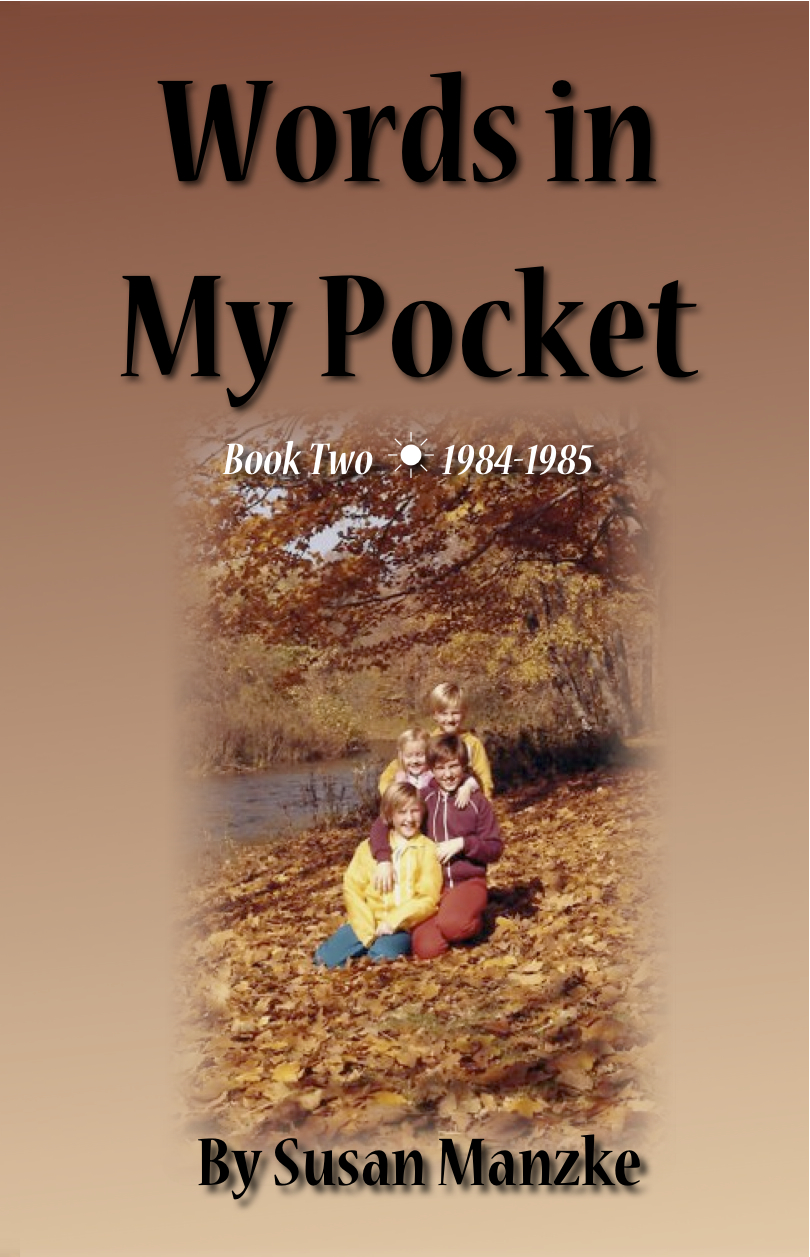
susan manske book wordsElizabeth: You’ve written a middle-grade novel, personal essays, columns (which have been published in the Words in My Pocket collections), and adult romances. How do you approach these very different kinds of writing?

Susan: I have a weekly deadline for my column, which runs about 650+ words. I’m always thinking about column ideas, so usually when I sit down I can start writing and get something done in one afternoon.

When I work on a novel, I get a germ of an idea and mull it over before starting to write. It may take me years to write a novel. I don’t outline, but I usually know the beginning and the end. The fun part is figuring out how to get from Chapter One to the end. For me it’s the journey that keeps me interested.

Elizabeth: You write in many genres, do you read in many genres? Which are your favorite?

Susan: I love to read middle-grade novels. I like anything that keeps my attention. Often ‘adult’ novels are too convoluted for me. I hate putting a book down, but my time is limited. Just tell me a good story. I have a form of dyslexia, so I’m a slow reader, but that hasn’t stopped me. I discovered my love for reading when I read Lassie Come Home in the seventh grade. Up until then reading was just a chore. I don’t want a book to be a chore to read.

Elizabeth: Tell us about yourself.

Susan: I live with my husband of 41 years, Bob, on Sunnybook Farm. We have 4 adult children, 6 grandchildren, 1 step grandson, and 1 step great granddaughter. We have 3 house cats and one dog. We also have 9 chickens and a bunch of barn cats. I love getting together with family. We laugh a lot and I never get enough of my grandchildren.

I went back to college in my 50s and graduated from the University of Wisconsin-Green Bay in 2009. It wasn’t easy going back to school after all those years, but every time I finished a class, I felt a great sense of accomplishment.

Elizabeth: Do you have any advice for young readers and writers?

Susan: I like to encourage writers who have dyslexia to charge ahead and write. I’m proof it can be done. Join a critique group to help improve your writing. Critiques may hurt at first, but I know I learned a lot from mine and I still do.

We’ve now reached the time in our interview for the let’s-get-to-know-the-author-better, nearly-pointless, sort-of-silly, rapid-fire questions:

Elizabeth: Pizza or salad?

Susan: Pizza!

Elizabeth: Ocean or mountain?

Susan: Mountain

Elizabeth: Tree house or doll house?

Susan: Tree House, like the one in Swiss Family Robinson

Elizabeth: Violin or piano?

Susan: Piano

Elizabeth: Comic story or learn-something story?

Susan: Tough one….I like to learn something in a story by accident, not on purpose. It has to be part of the story, even a comic story.

Elizabeth: Laura Ingalls Wilder or Hermione Granger?

Susan: Another tough one….Hermione Granger

Thanks, Susan for joining me today.  For more about Susan Manzke, visit her website: http://www.susanmanzke.net

Chicken Charlie’s Year is available here on amazon.com

Susan’s columns are available in the Words in my Pocket collections. 

Nano 2014

Want to write a book? Want to do it fast?  Want encouragement from famous people?  Want to connect with other writers in your local area?

Nano 2014Then you need to join NaNoWriMo! I went to the National Novel Writing Month website and got myself signed up to write (finish) a novel in November.  If you join NaNoWriMo, be sure to make me one of your writing buddies.

This year, my NaNo project is once again The Stepsisters. It feels as if I’ve been writing this book  f – o – r – e – v – e – r .

I’m two-thirds finished with my third revision, and I think this is the one. My goal for November is to finish The Stepsisters.  For those of you who haven’t already heard about this novel, The Stepsisters is a steampunk Cinderella, told in alternating first person by the two stepsisters.  And not to brag or anything, but it is la-la fabulous.  Or will be. When I finish it. In November.

OK, so go do the NaNo thing.  You know you want to. Here’s the link again: National Novel Writing Month website.