Guest Blogger Yves Fey: A Fin de Siècle Halloween

Yves Fey, author of Floats the Dark Shadow is my Halloween guest blogger.

A Fin de Siecle Halloween

Parisians have adopted Halloween, dressing their children as various monstres, fantômes or sorcières, sometimes even as Egyptian momies, but it is not truly their holiday. Instead they have a more somber sort of Day of the Dead on November 1st — La Toussaint, or All Saint’s Day. Graves are visited and bouquets of autumnal chrysanthemums left in displays praised as worthy of tourist visits.
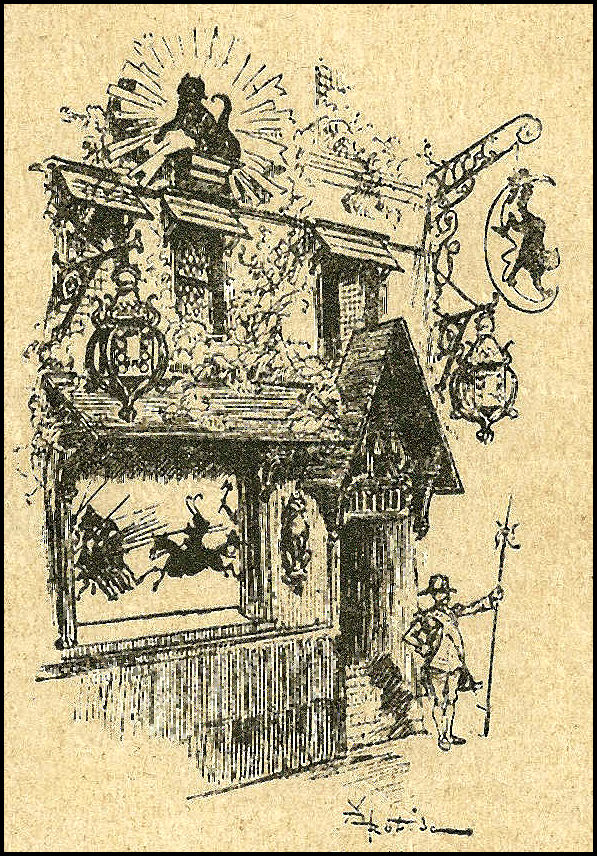
fey Cabaret_du_Chat_Noir_par_Robida
Le Chat Noir (click to enlarge)

Nonetheless, if the clock struck midnight in Paris on Halloween and you climbed into a passing coach for a magical mystery tour of the city in all its fin de siècle glory, you could have treated yourself to a long night on the town, conjuring suitable shivers to celebrate the holiday.

First, you could visit the most famous of black cats, Le Chat Noir, signpost and mascot of the Paris cabaret, and the veritable symbol of Montmartre. Le Chat Noir is considered the first modern nightclub, where the patrons imbibed their potables while watching a show. There were comic monologues, singers, and the famous “shadow plays.”
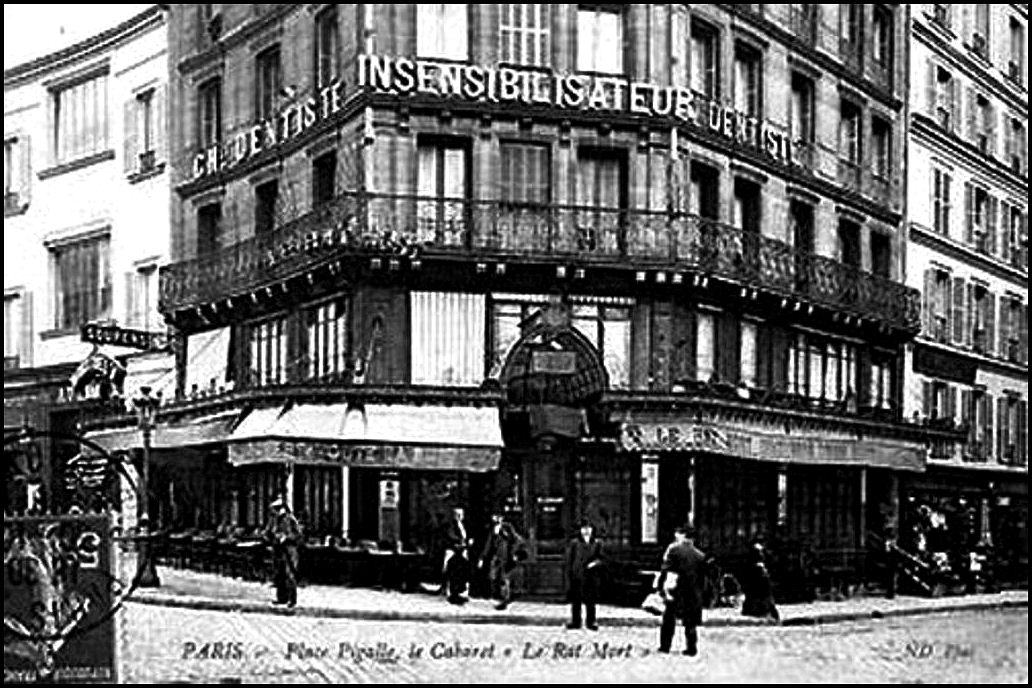
fey pigalle_pl_7_rat_mort_1908_31_mini-5
Le Rat Mort (click to enlarge)

Having seen the Cat, which only lived until 1897, one might wander over to Le Rat Mort, which maintained its existence for a good deal longer. Legend says the rat was punished by death for having disturbed some clients engaged in a most private tête a tête. Or perhaps other body parts were engaged. Despite its unappetizing name, the club was quite spacious. Artists populated it by day, at night it was one of the most favored lesbian haunts.
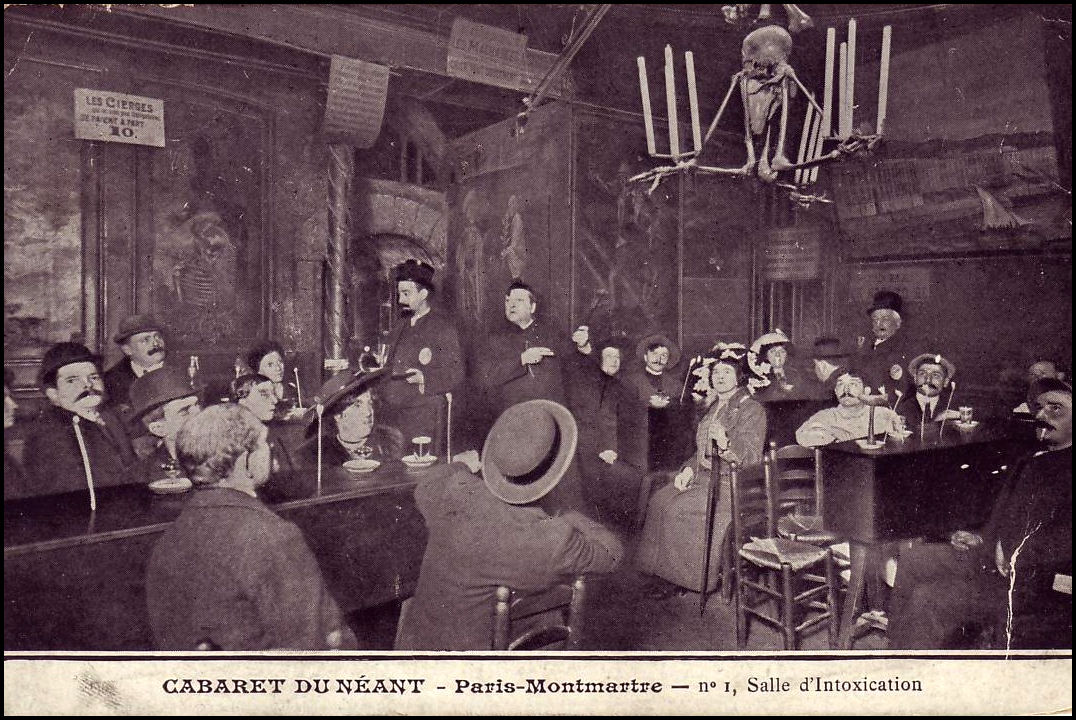
fey Cabaret_Neant
Cabaret du Neant (click to enlarge)

From their names, Le Chat Noir and Le Rat Mort are quite suitable for Halloween veneration, but there were clubs far creepier in context. Le Cabaret du Néant, or Nothingness, would now most certainly be the darling of the Goth crowd. There the tables were coffins. Trompe l’oeil tricks turned flesh and blood humans into skeletons before the delighted eyes of the patrons with a visual illusion called “Pepper’s Ghost” (I can’t help it, I hear Sgt. Pepper’s Lonely Hearts Club Band start to play).

More skeletons dangled from the ceiling of Nothingness, taking the form of crazed chandeliers. The lighting cast a greenish pall over the inhabitants, and waiters dressed as undertakers invited them to partake of such delicacies as a microbe of Asiatic cholera from the last corpse. Perhaps you should move on?

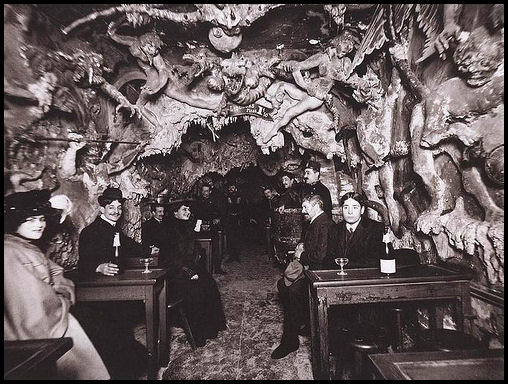
fey EnferOutside
Entrance to L’Enfer (click on enlarge)
fey EnferInside
Interior of L’Enfer (click on enlarge)

I suggest you finish your Halloween tour in Hell. Promising damnation, Satan will gesture you through a mouth of gigantic demonic fangs and into L’Enfer’s interior of plaster souls writing on the ceiling. Inside, the walls ooze metallic lava from their crevices. There is the occasional belch of sulphuric smoke and rumble of thunder. At your blood red table, you can order a seething bumper of molten sin, with a dash of brimstone—black coffee with cognac. According to William Chambers Morrow, who visited the club in 1900, the club’s drinks promise to “season your intestines, and render them invulnerable, for a time at least, to the tortures of the melted iron that will be soon poured down your throats.”

fey Redcielenfer1
Le Ciel (click to enlarge)

Feeling parched? Le Ciel, Heaven, is right next door, filled with fluffy clouds and star-spangled ceilings. There you’ll be served by gauzy angels (doing a bit of moonlighting from the Moulin Rouge). They’ll serve a star dazzler to cool your throat. But why would you go Heaven on Halloween? Just down another bumper of molten sin and remain invulnerable.

About Yves Fey
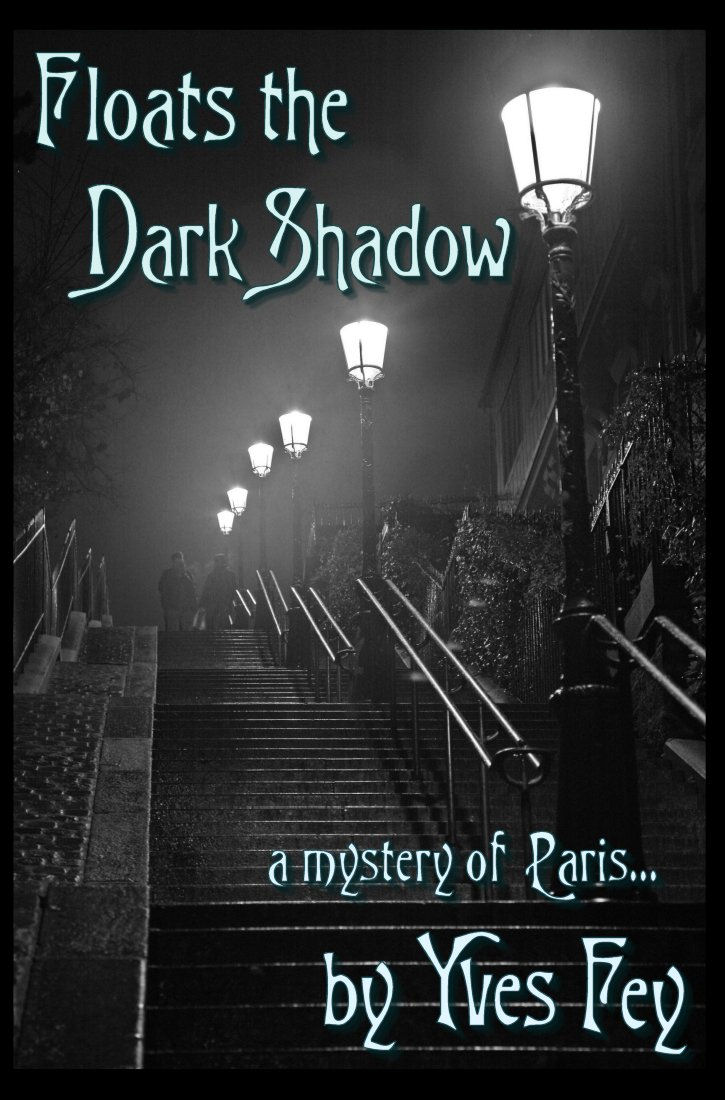
fey bookcoverMy first introduction to Yves Fey was when I was asked to review her wonderful dark mystery Floats the Dark Shadow by the Historical Novel Society. You can read my review here.

Floats the Dark Shadow is the first of Yves’ series set in the dynamic and decadent world of Belle Époque Paris. It recently won several Indie awards–a Silver IPPY in the Best Mystery category, a Finalist Award in the ForeWord Book of the Year Awards in mystery, and it was one of four Finalists in both History and Mystery in the Next Generation Indie Awards.
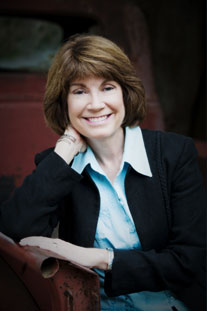
fey AuthorPhoto
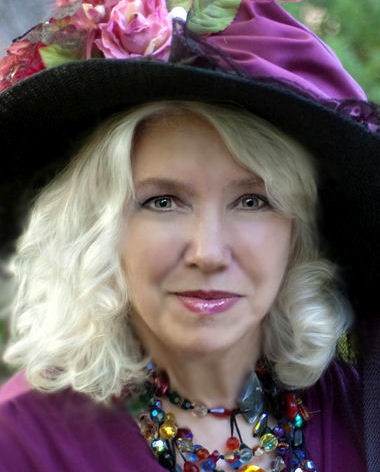
Yves Fey

Yves began drawing as soon as she could hold a crayon and writing when she was twelve. She holds a Bachelor’s in Pictorial Arts from UCLA, and a MFA from the University of Oregon in Creative Writing. In her varied career, she has been a tie dye artist, go-go dancer, baker, creator of ceramic beasties, illustrator, fiction teacher, and finally, novelist. She’s won prizes for her chocolate desserts, and her current obsession is designing perfumes inspired by her characters and by the magical city of Paris. A Libra with Scorpio Rising, Yves’ romantic nature takes on a darker edge. She hopes these shadows bring depth.

A world traveler, Yves has visited Paris, England, and Italy. She lived for two years in Jakarta, Indonesia, with many trips around Asia. She wishes she could live in Montmartre like her heroine, but feels lucky to reside across the bridge from San Francisco, with her husband and their three cats, an Asian Burmese dubbed Marlowe the Investigator and two rescued girls, half Siamese and half tabby, The Flying Bronte Sisters.

Under her own name, Gayle Feyrer, she authored two historical romances for Dell. The first takes place in the lush and violent world of Renaissance Italy. The second is set amid the earthy glamour of Robin Hood’s Sherwood. Under the nom de plume Taylor Chase, she wrote two historical romances for Avon. These novels explored the turbulent realm of Elizabethan England, an era of brash and bawdy manners contrasting with elaborate courtly protocol, of vice and venality contending with a questing romantic spirit. These books will all soon be available again under her own Tygerbright imprint.

To learn more about Yves, her books, and fin de siecle Paris, visit  http://yvesfey.com
Author Interview: Anna Lee Huber

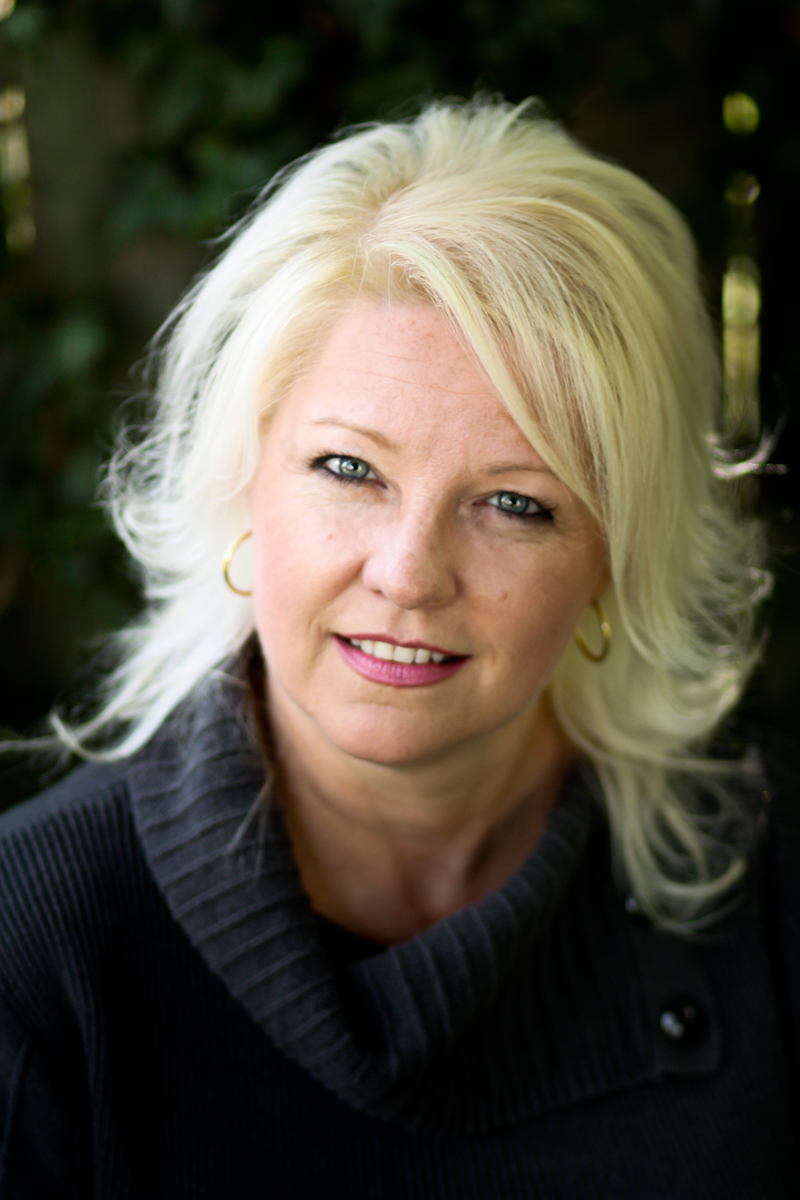
Anna_Lee_Huber_Headshot_1


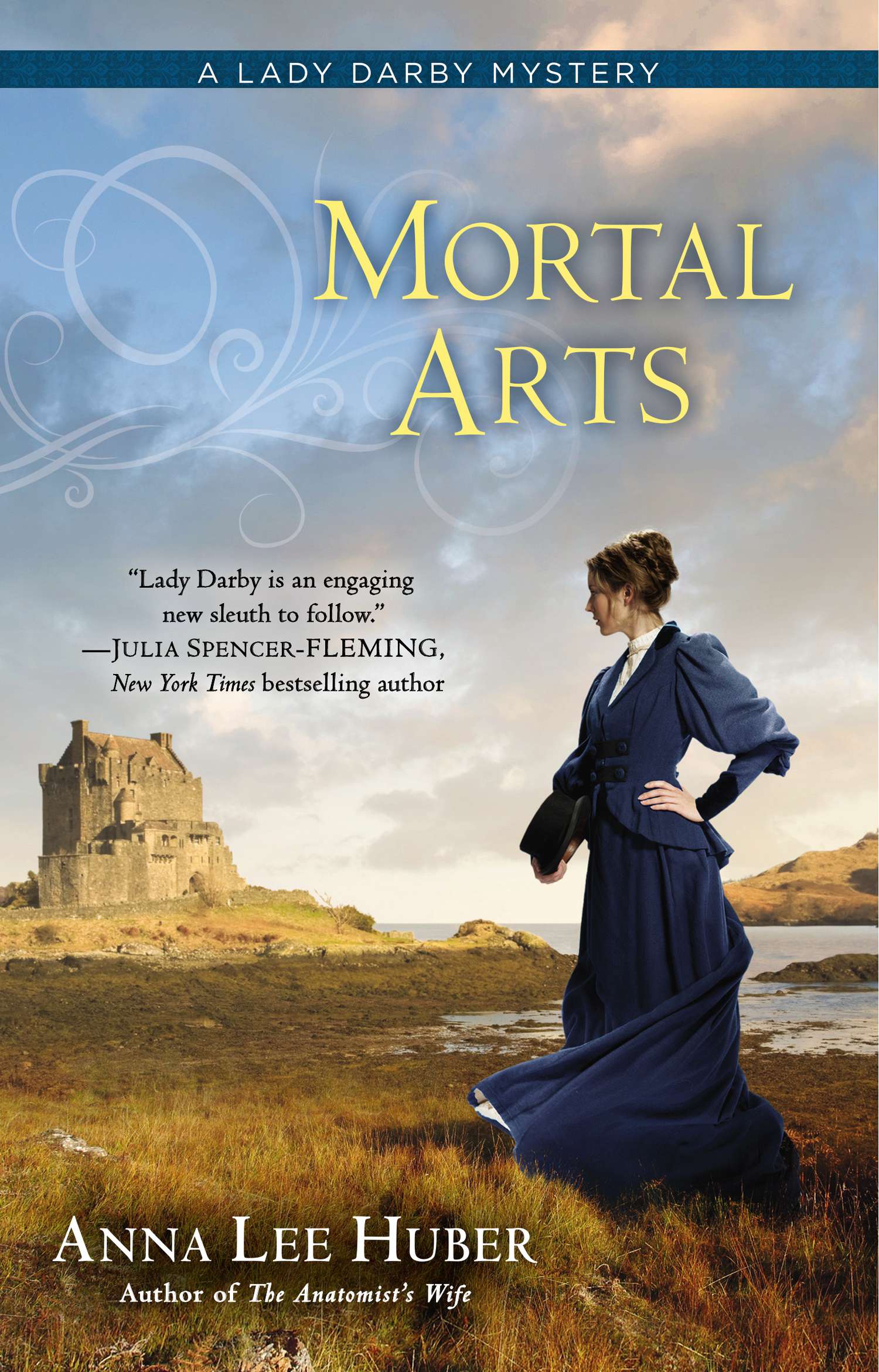
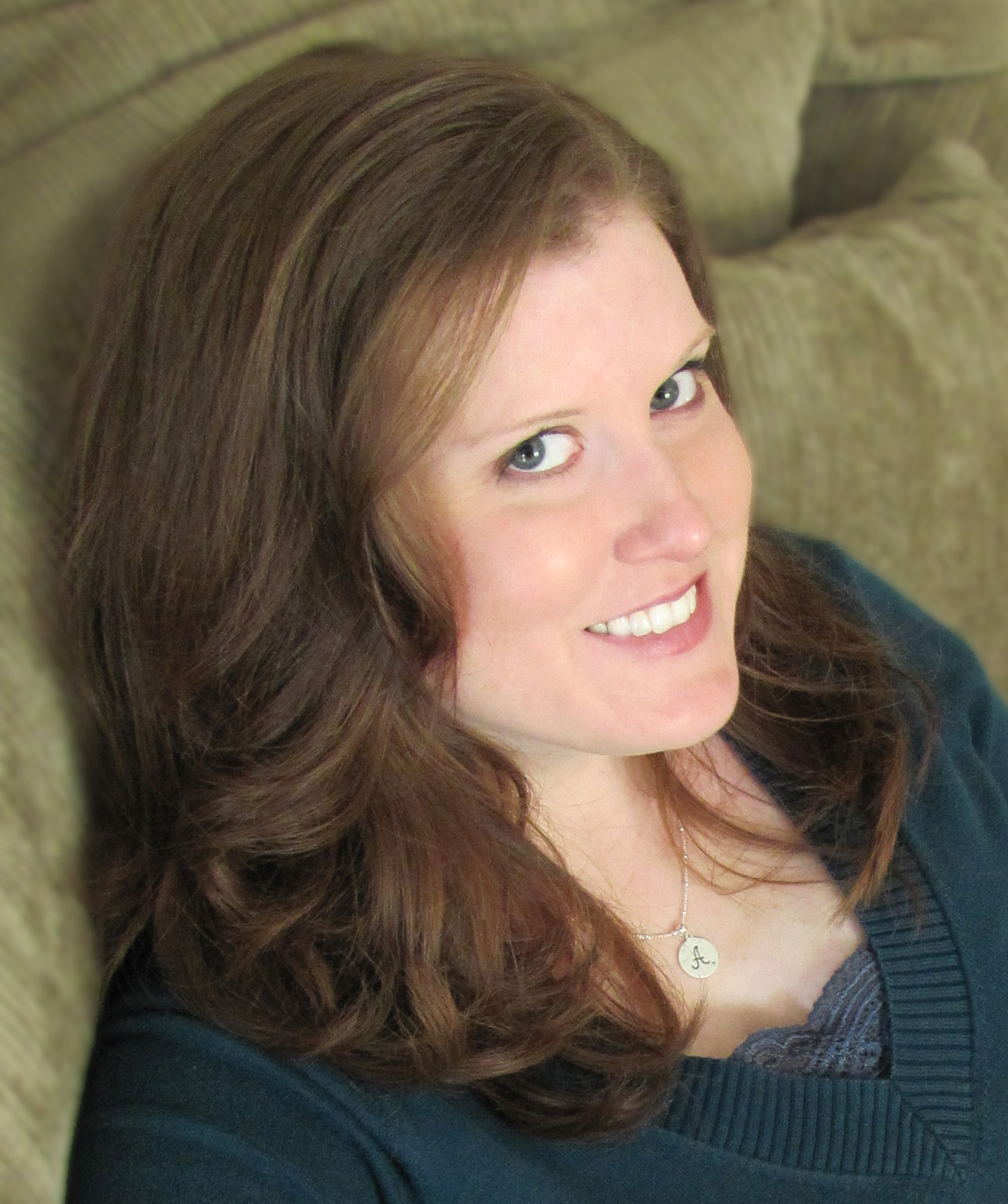
Today I’m welcoming Anna Lee Huber to my series of author interviews. Anna is the author of the Lady Darby mysteries which take place in 19th century Scotland. The first was The Anatomist’s Wife and the second is the newly released Mortal Arts.

Elizabeth: Welcome, Anna. Can you tell us about your Lady Darby mysteries?

anna Anatomists Wife CoverAnna: My Lady Darby mysteries are set in 1830 Scotland and feature Kiera, Lady Darby, a gifted portrait artist and the scandalous widow of a famous anatomist. When a woman is murdered at her sister’s estate in the wilds of northern Highlands, Kiera is forced to team up with gentlemen inquiry agent Sebastian Gage to find the culprit. In future books they will also join forces to solve cases of murder and mayhem.

Elizabeth: When plotting your story, how do you balance the elements of the mystery and the development of the romance between Lady Darby and Mr. Gage?

Anna: Since the Lady Darby novels are at their heart mysteries, the mystery definitely must come first. I usually plot all of the main parts of the mystery—the turning points and major discoveries—and then I weave in the other elements, like the romance and individual character development, trying to match the tone and theme. I continue adding greater detail for all the story elements until I feel my plot is complete.

Elizabeth: Lady Darby is an artist, and it helps her see the world a little differently than the other characters. Does Lady Darby get this from you? Are you a painter or involved in the visual arts?

Anna: I am not a visual artist, though my husband and one of my brothers are. I’m constantly picking their brain about little details. What I am is a musician and a writer, and I’m often struck by how similar the artistic mind is, no matter the medium of expression. It’s amazing how much translates from one type of art to another—the mindset, the worries, the worldview. It definitely gives me greater insight into Lady Darby.

Elizabeth: What first made you interested in this time period and place as a setting for your novels?

anna Mortal_Arts_coverAnna: I love the 19th century. It fascinates me. And I adore England and Scotland. So I knew I wanted to set my historical mystery series then and there. But I didn’t choose the exact year and location until after I crafted Lady Darby’s backstory. Once I realized that she had unwillingly accrued knowledge from her anatomist husband by being forced to sketch his dissections for an anatomy textbook he was writing, I knew that 1830 would be the perfect year. It’s just after the trial of Burke and Hare—Edinburgh body snatchers turned murderers—and two years before the Anatomy Act of 1832. This time period gives me lots of juicy bits of history to explore, as well as exploring the fear and unrest felt by the general public regarding the trade of body snatchers and the actions of anatomists. I chose to set The Anatomist’s Wife in the Highlands because I needed an isolated location, and because I simply love the beauty and melancholy of the terrain. Mortal Arts take place just north of Edinburgh, and I chose this spot because it suited my plot.

Elizabeth: How much historical fact is woven into your stories?

Anna: My stories are not based on real historical figures, though sometimes they are woven into the periphery. Instead I use the details of history to build and inform my plots, trying to remain as historically accurate as possible. I also try very hard to make my characters true to their time period, with some fictional license. I like to include a Historical Note at the end of my novels to explain what’s real, and what historical facts I might have altered in some way.

Elizabeth: What is your writing process?

Anna: My writing process is continually evolving, and I suspect it always will be. Once I have an idea for a plot, I do intensive research into the history surrounding it and brainstorm possibilities. Then I plot my novel, starting with the main points—inciting incidents, turning points, etc.—and progressing to ever smaller details. By the time my chart is done, the story is pretty well fleshed out. I also create a character arc and diagram for each main character and for Lady Darby and Gage’s relationship, taking into account motivation and fears, and other important psychological details. Then I write each scene, each important bit of information discovered, each emotional moment on an individual index card. I prefer to do it that way so that I can shuffle them later if needed. I don’t like to over-plot. If I feel like I’ve gone into too much detail, then I feel like I’ve already written the story and it bores me to do so again. I also like to leave room for spontaneity. After all that, I’m ready to write.

Elizabeth: Where will we next find Lady Darby? What are you working on now?

Anna: I am finishing Lady Darby Book 3, A Grave Matter, which is due out in July 2014. After the events in Mortal Arts, Kiera retreats to her childhood home in the Borders region to heal. But when a man is murdered and an old grave at an abbey disturbed, she must once again team up with Gage to solve the crimes.

Elizabeth: Enough of your books—tell us about yourself.

Anna: I grew up part of a large family in a small town in northwest Ohio. I wrote my first story in the fourth grade and have pretty much been writing ever since. My second love is music, and I graduated from Lipscomb University in Nashville, TN with a Bachelor’s degree in Music with a minor in Psychology. My husband and I own a web development company and currently live in northern Indiana with our troublemaking tabby cat, Pita. When not writing, I love to read, sing, travel, and spend time with my large extended family.

We’ve now reached the time in our interview for the let’s-get-to-know-the-author-better, nearly-pointless, sort-of-silly, rapid-fire questions:

Elizabeth: Coffee or tea?

Anna: Tea

Elizabeth: Ocean or mountain?

Anna: I like rocky coasts, like Cornwall or Maine.

Elizabeth: Hiking or shopping?

Anna: Depends on where I’m hiking. If the terrain interests me, I’d choose that. Otherwise, shopping.

Elizabeth: Violin or piano?

Anna: I play the piano, but I absolutely love the violin. I’ve always wanted to learn to play. If I was choosing a concert to attend or a CD to listen to, violin would likely win out.

Elizabeth: Mystery or fantasy?

Anna: Mystery

Elizabeth: Darcy or Heathcliff?

Anna: Darcy

Elizabeth: Love scene or death scene?

Anna: Either if it’s emotionally intense or moving, but I if I had to choose, a love scene.

For more information about Anna and her books, visit her website:

http://www.annaleehuber.com
or find her on Facebook: https://www.facebook.com/AuthorAnnaLeeHuber

or Twitter: https://twitter.com/AnnaLeeHuber

The Lady Darby mysteries are available on AmazonBarnes & NobleBooks-a-Million, and Indiebound.

Elizabeth: Thanks to Anna Lee Huber for visiting today.

Anna: Thank you so much for having me!

Most Popular Books for Children

A little over a week ago, I asked these questions: What was your favorite picture book as a child? As a parent? What was your favorite children’s chapter book? How would your children answer?

I asked this of some friends and acquaintances and posted it on two Facebook discussion groups. Some of my respondents listed one favorite for each category; others listed many. My Facebook groups are historical fiction groups, so this poll is biased toward historical fiction. Like me, many of my friends are women over 40, so this list is biased in that way too.

The results of my biased poll are in! To be included, a title or author had to be mentioned at least three times.

Most Popular Picture Books/Authors:

Dr. Seuss got more votes than anyone else.  Congratulations Dr. Seuss!

Other oft -mentioned books and authors:

Where the Wild Things Are by Maurice Sendak

The Berenstain Bears books by Stan and Jan Berenstain

A is for Annabella by Tasha Tudor

The Very Hungry Caterpillar by Eric Carle

The My Bookhouse books by Olive Beaupre Miller

Most Popular Chapter Books/Authors for Children

The Little House books by Laura Ingalls Wilder got the most votes for this category. Congratulations, Laura Ingalls Wilder!

Other oft-mentioned books and authors:

Beverly Cleary (in particular, her Ramona books)

Enid Blyton’s books

The Nancy Drew series by Carolyn Keene

The Winnie the Pooh books by A.A. Milne

The Boxcar Children books by Gertrude Warner Chandler

The Secret Garden by Frances Hodgson Burnett

Doing this poll brought some new authors and books to my attention. I don’t know Enid Blyton and have yet to read any of the My Bookhouse books. I look forward to filling this gap in my knowledge of children’s literature!

Is your favorite author or book missing from the list? Feel free to mention them in the comments below.

Author Interview: Lori Crane

loricrane


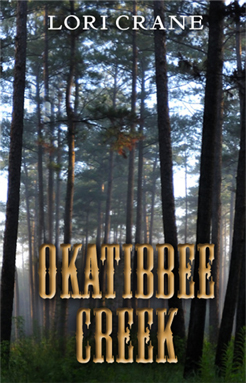
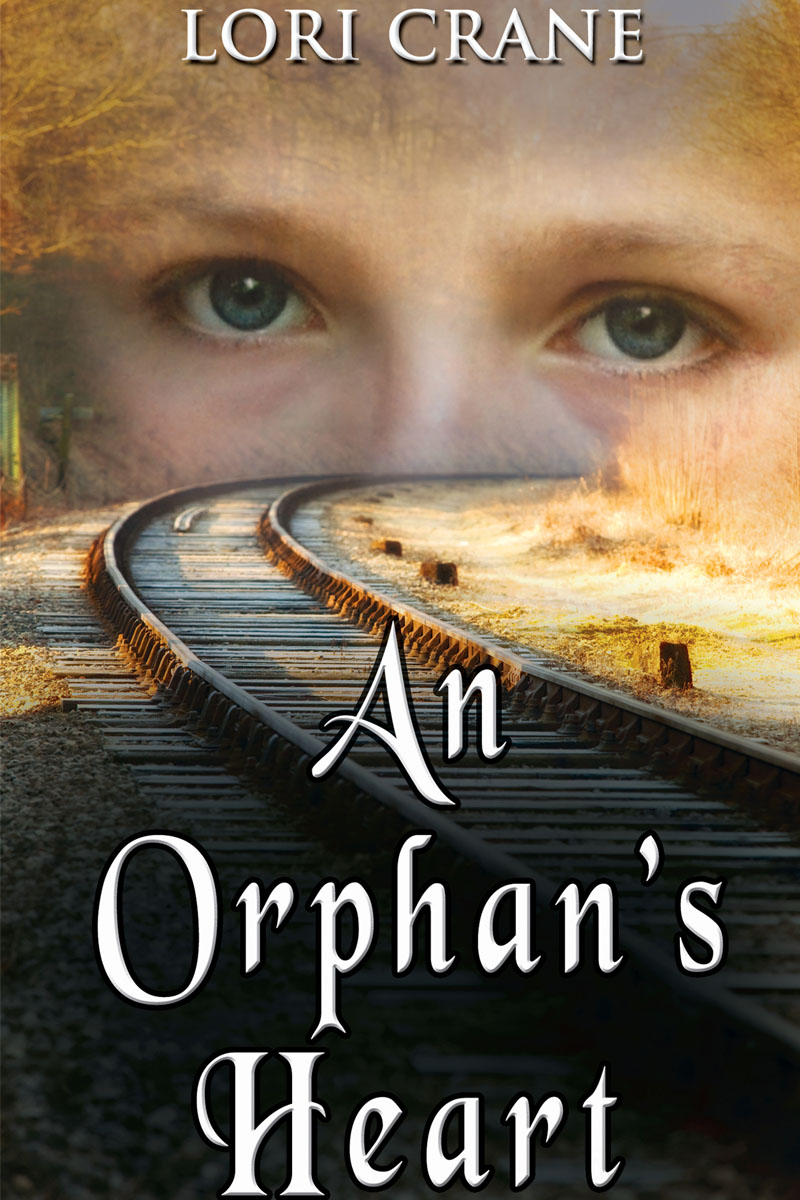
Today I welcome Lori Crane to my series of author interviews. Lori is the author of The Legend of Stuckey’s Bridge and the series Okatibbee Creek: Okatibbee Creek (book 1), An Orphan’s Heart (book 2), and the soon-to-be-released Elly Hays (book 3).

loricraneokatibbeeElizabeth: Welcome, Lori. Can you tell us about your Okatibbee Creek series?

Lori: The Okatibbee Creek series is a collection of stories about the strong women in my family’s history (1750-1900 US). The books are based on real people in real circumstances, overcoming real obstacles.


loricraneorphan

Elizabeth: What first made you interested in these characters?

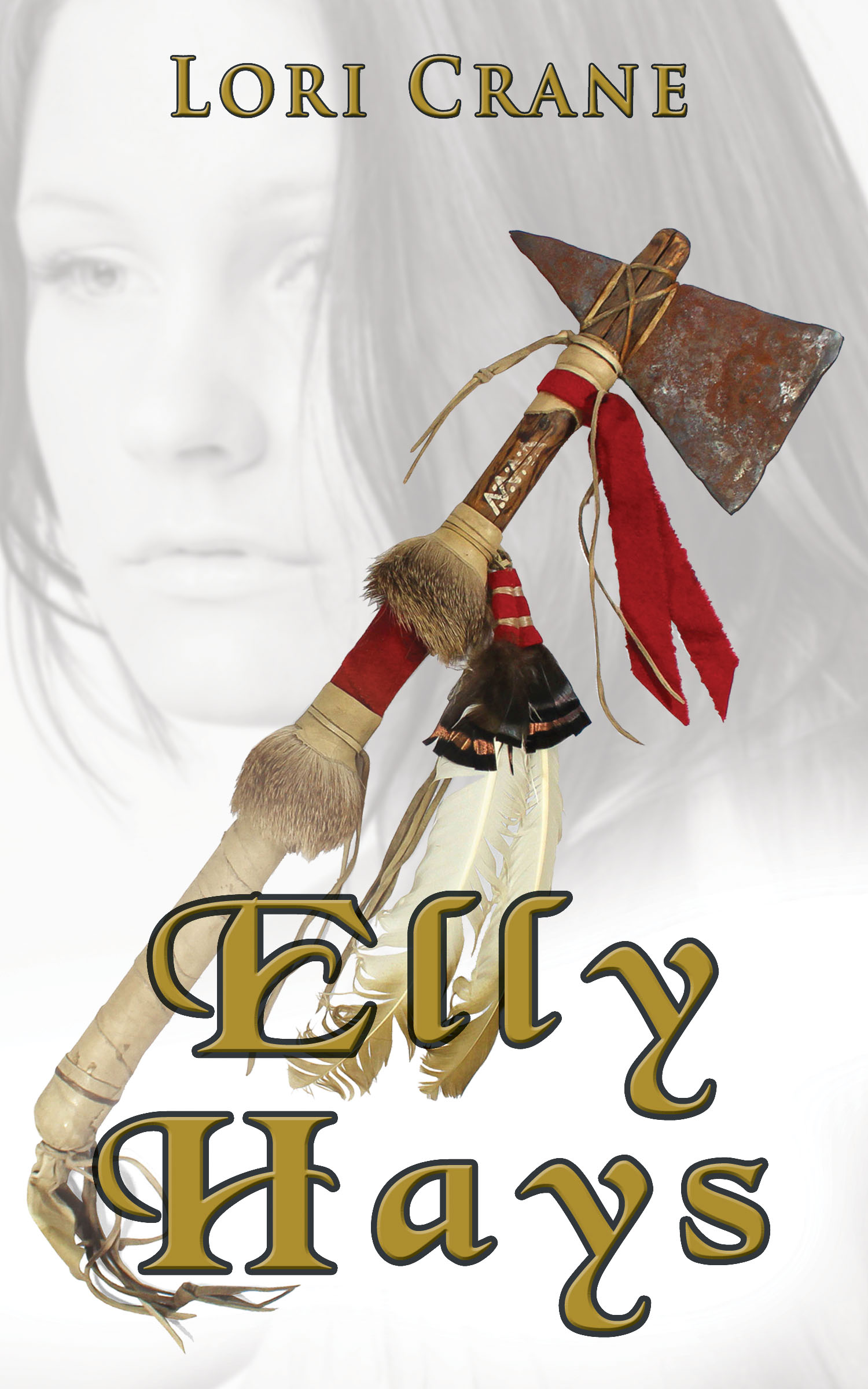
Lori: As I did genealogy research, I found my third great grandmother, Mary Ann, had lost an unbelievable SEVENTEEN family members to typhoid and the Civil War in an eighteen-month period. The more I looked into the details, the more I became impressed with the sheer amount of strength she possessed. She became the heroine of the book Okatibbee Creek. When I found her young niece was orphaned at the same time and was moved from state to state with relatives, I was hooked on her story which became An Orphan’s Heart. I looked back in time to find the source of strength for these women and fell upon Mary Ann’s grandmother who lost almost everything to a hostile band of Indians during the War of 1812. That is the coming book Elly Hays.loricraneelly

Elizabeth: How much historical fact is woven into your stories?


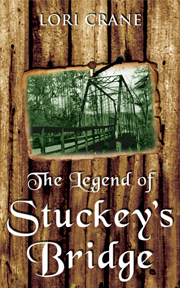
loricranestuckeyLori: The Okatibbee Creek books are all real names, dates, and places. The only fictional parts are their personalities and daily lives, which we can never know. The Legend of Stuckey’s Bridge is based on a Mississippi legend. If the legend is true, then the dates and places are true, including Old Man Stuckey’s brief stint as a member of the notorious Dalton Gang. Most of the people are fictional since there was no cast of characters in the original legend.

Elizabeth: What is your writing process and how do you go about doing historical research?

Lori: When I’m engrossed by an historical character, I put together a timeline of events and then go back and weave a storyline through them. Sort of like putting puzzle pieces in an almost-finished jigsaw puzzle.

Elizabeth: What are you working on now?

Lori: I’m working on a sequel to Stuckey’s Bridge called Stuckey’s Legacy. The main character is total fiction, but I’m placing him in real 1920s people, events, and places to get the true flavor of the roaring twenties.

Elizabeth: Enough of your books—tell us about yourself.

Lori: Besides being an indie author, I am a full-time musician and play a dueling piano show on Norwegian Cruise Lines. Being at sea four to eight weeks at a time gives me plenty of time to write. When I’m home, I live a quiet life in the country in western Michigan with my trophy husband and a host of animals, including our newest addition Eva. She’s a four-foot ball python.

Elizabeth: Yikes!

We’ve now reached the time in our interview for the let’s-get-to-know-the-author-better, nearly-pointless, sort-of-silly, rapid-fire questions:

Elizabeth: Coffee or tea?

Lori: Tea. I’ve never tried coffee.

Elizabeth: Ocean or mountain?

Lori: Since I spend twenty weeks + a year on the ocean, I have to say mountains.

Elizabeth: Hiking or shopping?

Lori: Hiking.

Elizabeth: Violin or piano?

Lori: Piano since I was five.

Elizabeth: Mystery or fantasy?

Lori: Either, as long as it’s captivating.

Elizabeth: Darcy or Heathcliff?

Lori: Heathcliff all the way. Of course, probably not in real life.

Elizabeth: Love scene or death scene?

Lori: Death scene. Nothing says love like dying in someone’s arms.

To learn more about Lori and her books, visit her websites:

Website: http://loricrane.com/

Blog: http://loricrane.wordpress.com/

Lori’s books are available at: http://www.amazon.com/Lori-Crane/e/B00ATIQW8M


Camping and Conferencing

How does one save money when attending a conference and bring the family along for a vacation?  Tent camping, of course.

Last week, I attended the Historical Novels Society 2013 conference in St. Petersburg, Florida.  My family tagged along so we could turn the trip into a vacation.

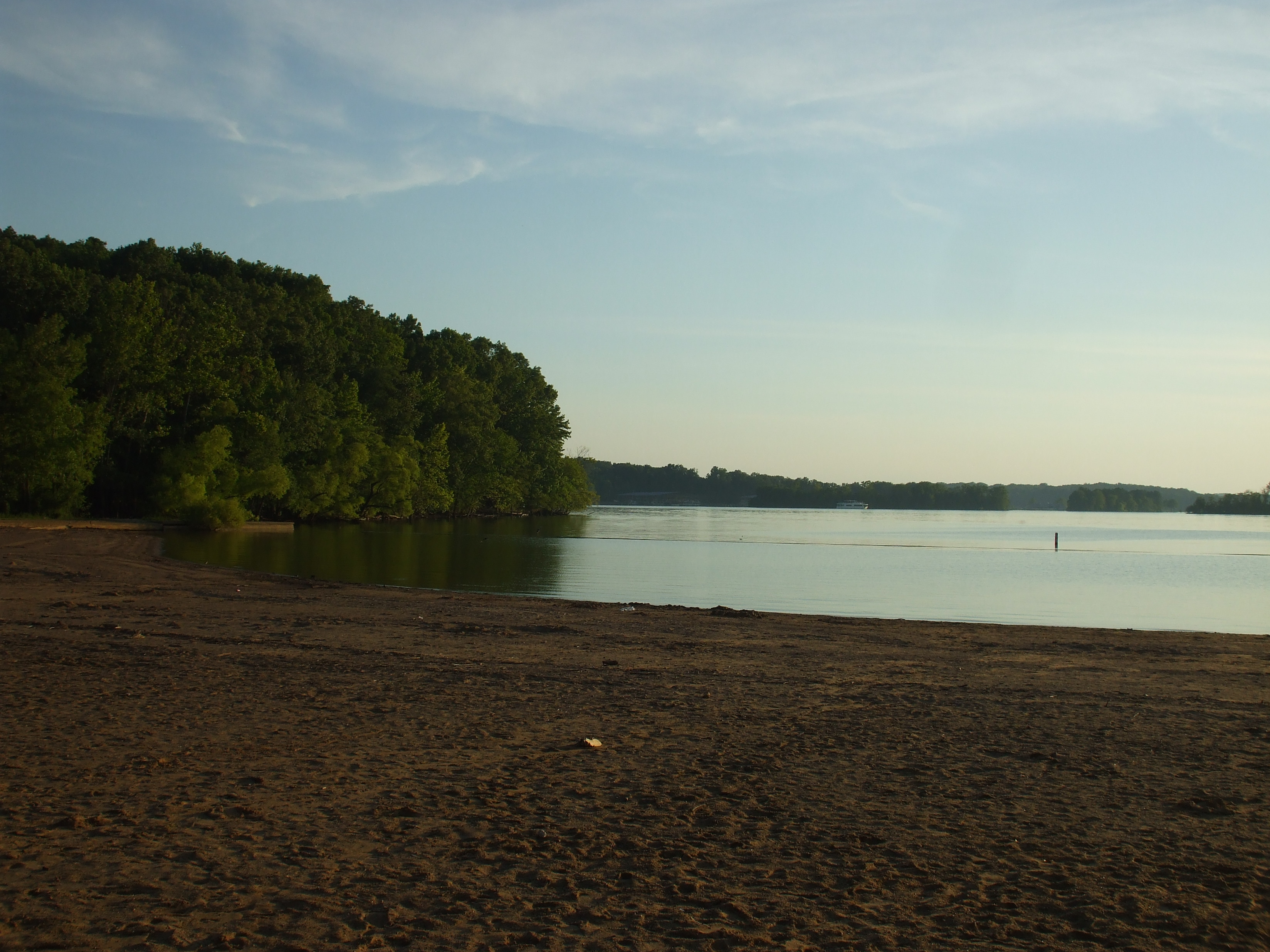
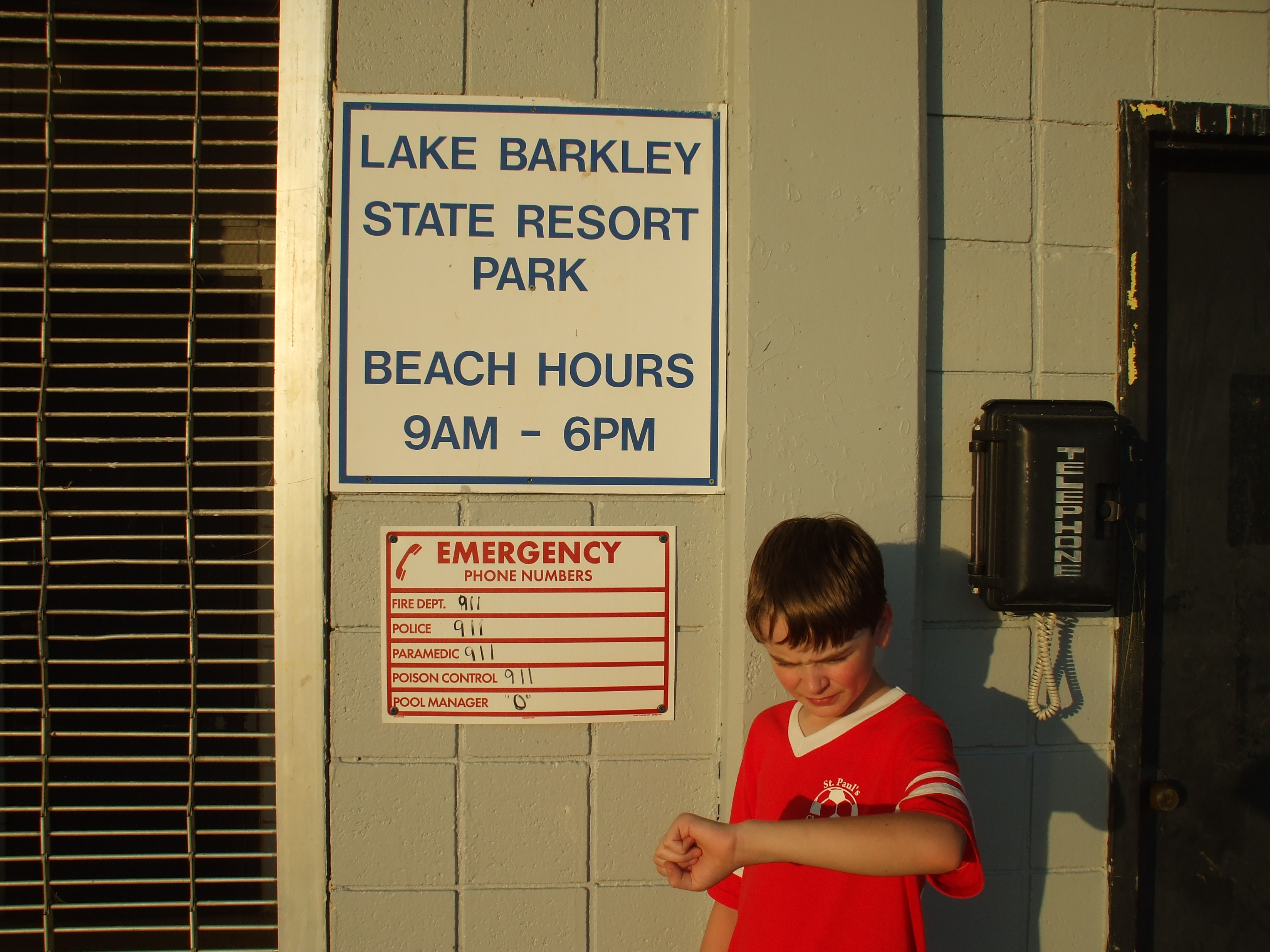
Day 1: We left on a Wednesday, drove about 12 hours, and camped at Lake Barkley State Resort Park in Kentucky.  This is a beautiful park and was practically empty.  We arrived just before sunset and took a short hike to the lake.  The beach was clean and pretty, we couldn’t understand why nobody was there.   Tom figured it out.

kentucky beach   kentucky sign


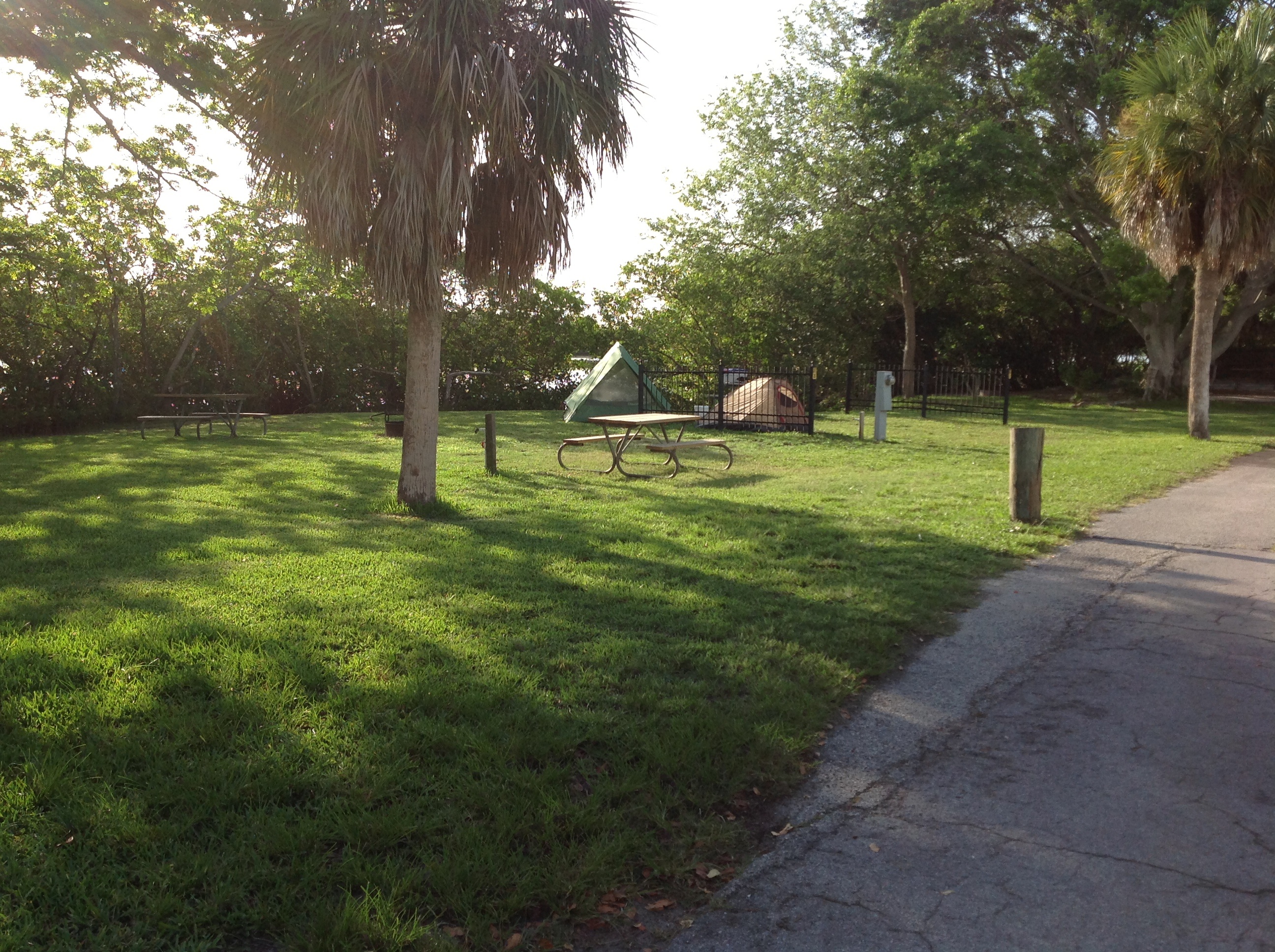
Day 2: Drove for about 15 hours and arrived in St. Petersburg about 10:00pm, so had to set up our tents in the dark.  We stayed at the St. Petersburg/Madeira Beach KOA and had a beautiful tent site–right on the water, in a quiet park of the campground.  This was a well-run, quiet campground–probably much busier in the winter. In the heat of June, there were not many other campers. Here’s our tent site:

tents far

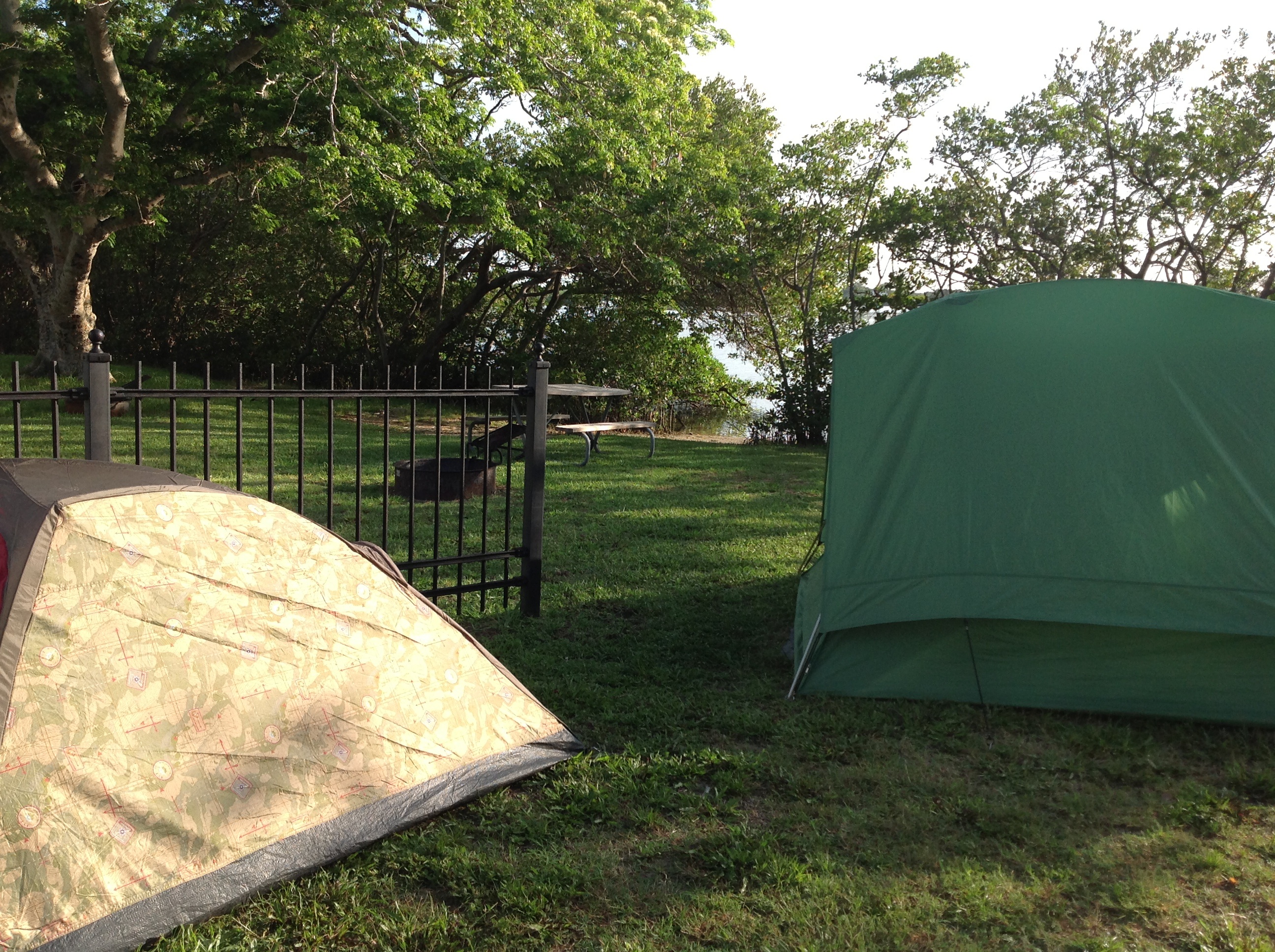
After setting up camp, I couldn’t help but imagine an alligator climbing up out of the water and coming at our tents.  Here’s a close up. The water is just beyond the line of bushes.

tents close

I spent a sleepless night, jumping every time there was a splash in the water, wondering if alligators were noctural or diurnal and comforting myself with the thought that alligators probably lived in fresh water and the lagoon by us was salt water. Right? I’m happy to report that we did not see a single alligator on our trip.

Day 3: After a camp breakfast, we got on our swimsuits and drove the 5 minutes to Madeira Beach. June is a good time to visit the beach in Florida, as the heat makes it necessary to get in the water and tourists are not in attendance.  Here is what the beach looked like at 10am on a Friday morning:

beach1

That night, the conference began.  It was held in the beautiful Vinoy Renaissance Hotel.

vinoy

I got to meet up with the Great Lakes Chapter of the HNS and to listen to Anne Perry speak at the dinner banquet.

My family went to visit Fort DeSoto. They found the fort interesting, but the heat was disabling and distracting.  They finished the day with a meal at Pepe’s Cuban Cafe, which they called the best meal they’d ever had.

Exhausted, I fell asleep immediately, despite sleeping on the ground, possibly within striking distance of an alligator.

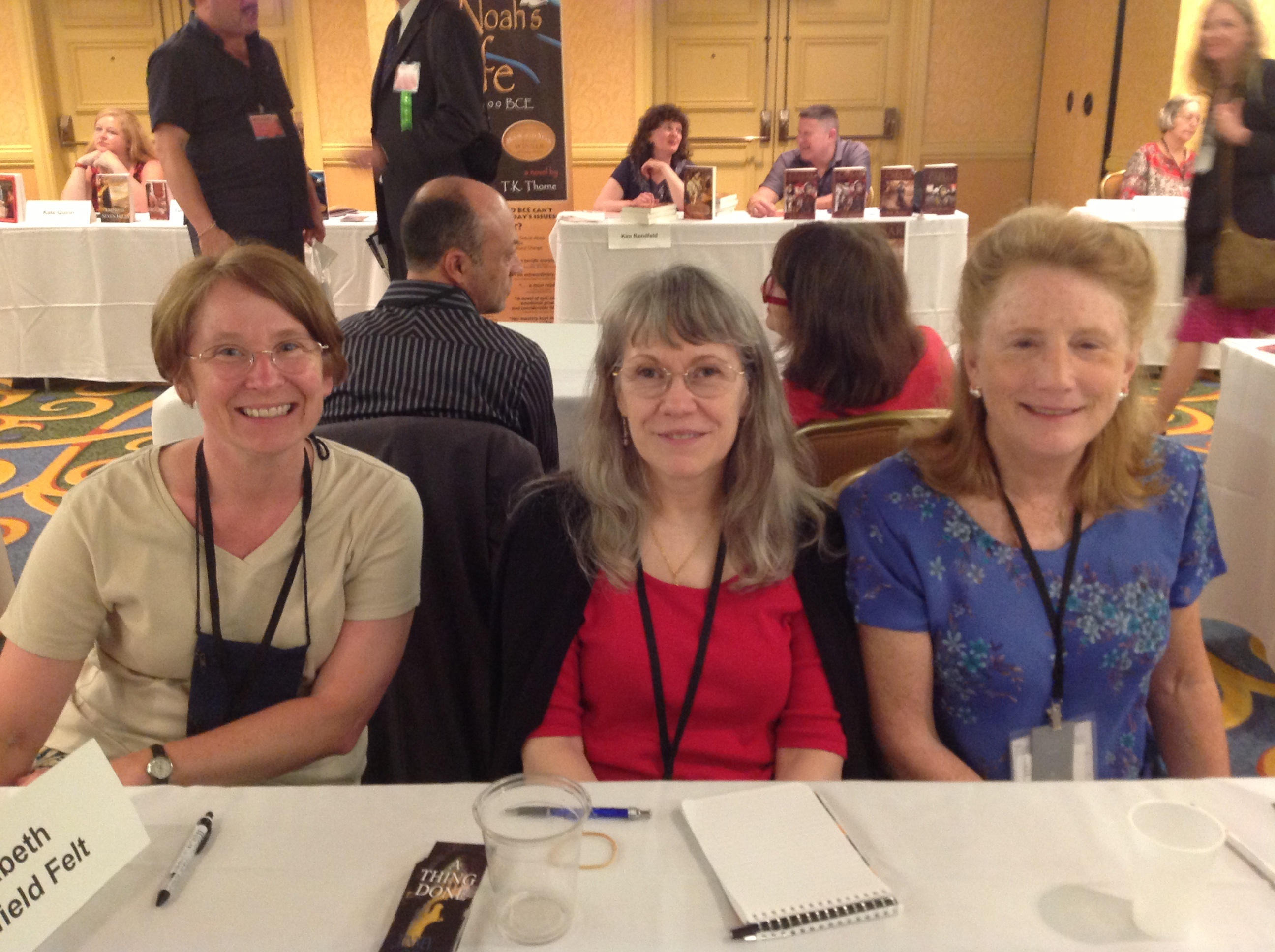
Day 4: All day at the conference for me.  I volunteered at the agent/editor pitches, went to some fun workshops and did a book signing in the afternoon.  Here I am with fellow authors Tinney Heath and Julie Caton at the book signing.

book signing

My family picked up a cousin and headed to Busch Gardens, where they rode roller coasters, got sunburned, and drank 2 gallons of water each.

Day 5: Last day of the conference. I went to Susanna Kearsley’s workshop on Bringing Characters to Life through Genealogy. It was exciting to get to listen to one of my favorite authors.  Kearsley used the family tree of character/real person John Moray (The Winter Sea) to show how an author can better understand the relationships between historical people and make realistic families for fictional characters. Fascinating! I learned a lot.

My boys went to the beach one last time, then we packed up camp and drove to Orlando to see my cousin and her family and to sleep in beds!

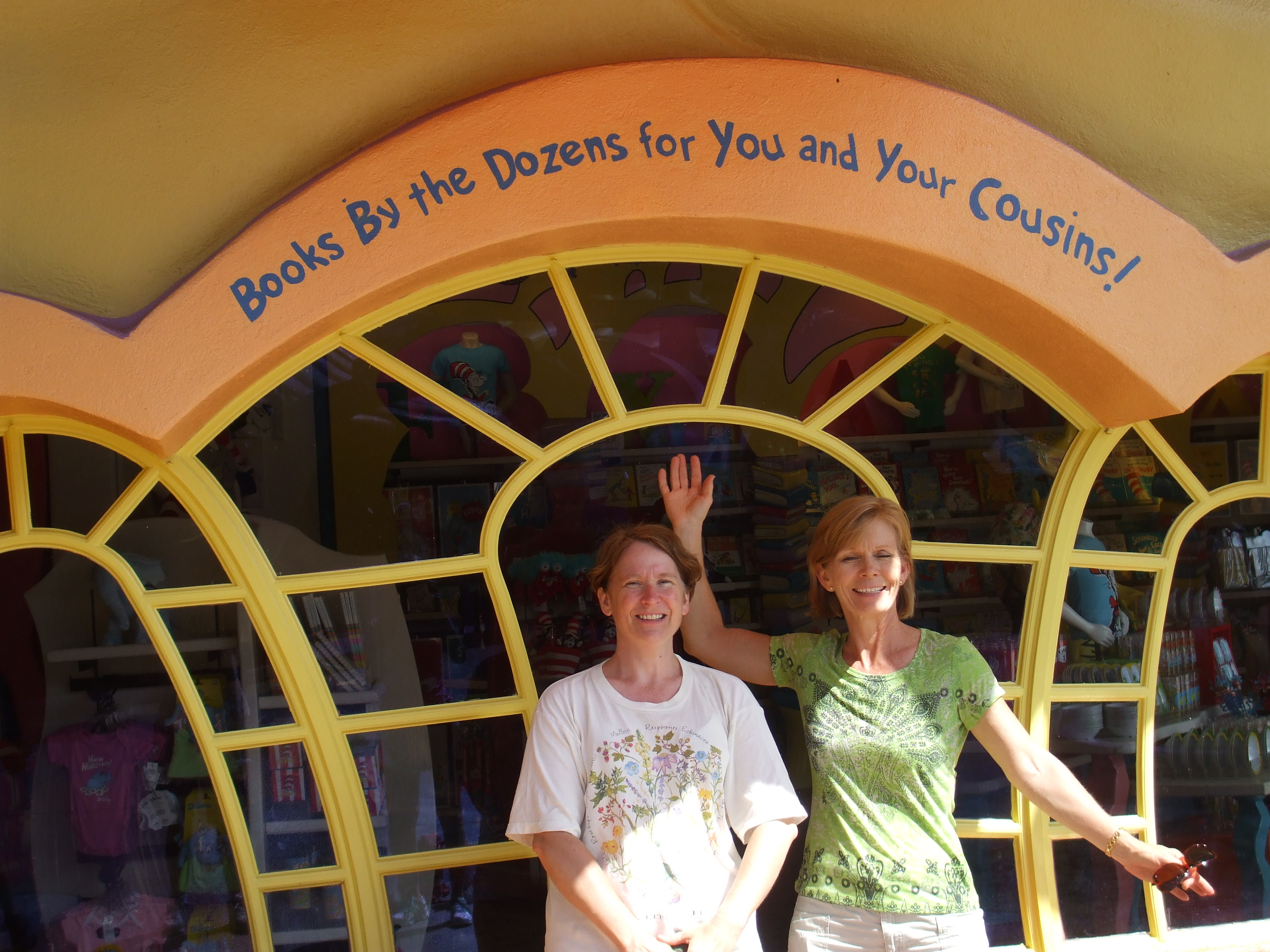
Day 6: Disney!

DSCF2620

My boys had never been and I hadn’t been since I was about ten.  Hot day, but endurable as many of the rides at Disney have lines in air conditioning.  My cousin’s daughter helped guide us. I was worried my boys, ages 13 and 17, would be too old for Disney, but we all had a good time. Space Mountain was the most popular ride for us. We finished with a late dinner at Tijuana Flats. Yum.

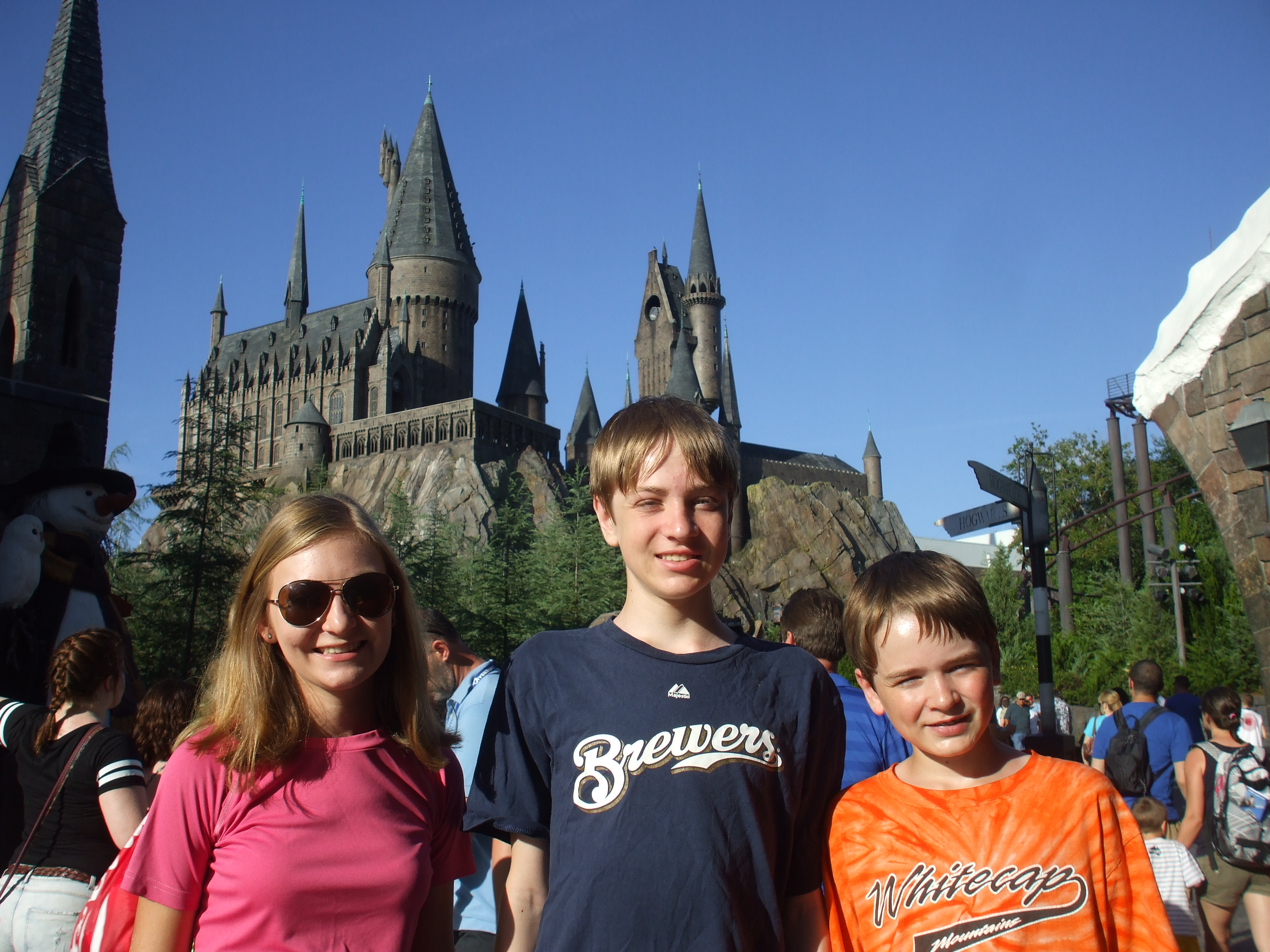
Day 7: Universal Studios, Islands of Adventure.

DSCF2626   DSCF2635


My boys liked this park better than Disney or Busch Gardens.  It gets my vote too, as the Harry Potter ride is quite possibly the coolest thing I’ve ever done.  Highly recommended. Also, the butterbeer is a must drink. My cousin and her daughter both came with us, and they were a lot of help maneuvering through the park.  Single rider lines are the way to go, even if you are in a group.  You get through the rides much more quickly and don’t get separated too much.

At both Disney and Universal Studios, we rode rides with Brazilian teenagers sporting colorful Kontik shirts. We learned eventually that Kontik is a travel company and that their group consisted of 700 Brazilian (rhymes with a million) teenagers.

Day 8: We got up early to drive the 18 hours to Bloomington, Indiana, arriving a little after midnight. Tom read The Fault in Our Stars in its entirety. Craig continued with the Song of Ice and Fire series, and I read most of Gillian Bagwell’s The Darling Strumpet.  Andy was a driving machine.

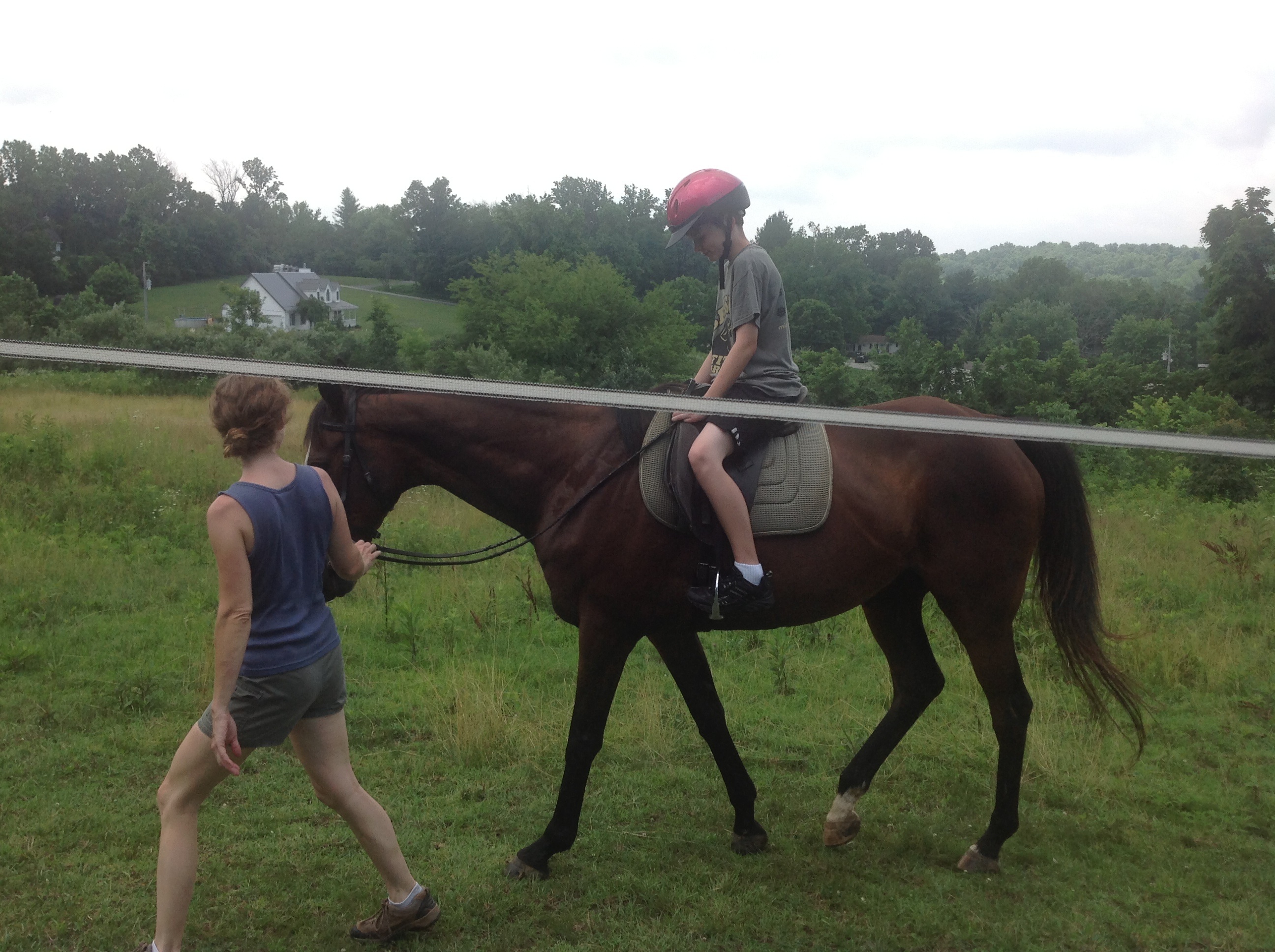
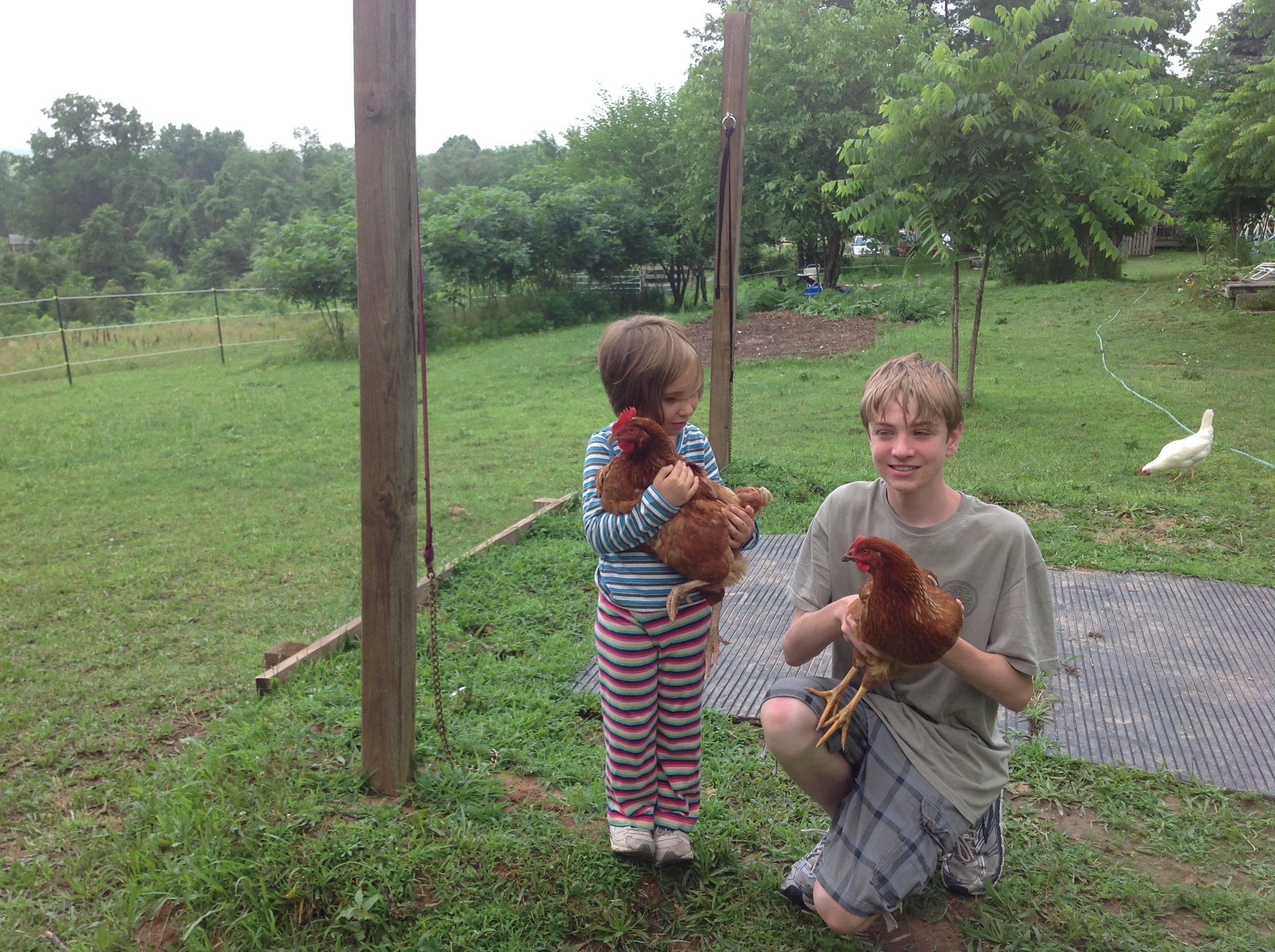
Day 9: Stayed with the my sister and her family. My brothers and their kids came to visit too.  Great to see everyone, talk, eat, ride horses and play with chickens.

horse       chickens


Day 10: An 8.5 hour drive never seemed so short.  We got home in time to  pick up our dog from the kennel.

Great vacation. Great to be home.

Author Interview: Kate Quinn

kate quinnToday I welcome best selling author Kate Quinn to my series of interviews. Kate is the author of Mistress of Rome, Daughters of Rome, Empress of the Seven Hills and the soon-to-be-released The Serpent and the Pearl. Kate will be participating on two panels at the Historical Novels Society Conference: “Sex in Historical Fiction: How to Make It Hot” and “Historical Fiction Set in the Ancient World: the Good, the Bad and the Ugly.”

Welcome, Kate.

Q: What got you first interested in historical fiction?

A: The past has always fascinated me, ever since the days when I was six years old and I couldn’t sit down on the school steps without pretending I was Elizabeth I refusing to enter the Tower of London. My favorite movie was Spartacus, and I was crushed that no boys of my own age were even remotely capable of leading a slave rebellion or wielding a gladius like Kirk Douglas. Under those circumstances, it was probably inevitable that I ended up writing historical fiction!

Q: Is there an era/area that is your favorite to write about?

kate daughtersA: I first got interested in ancient Rome because of I, Claudius, which I watched when I was far too young, but adored anyway. Imperial Rome is so far away from us in time, but culturally so close. From sports fans to fast food, from running water and daily baths to birth control and no-fault divorce, the Romans embraced cultural traditions that wouldn’t be seen again on a widespread scale for two thousand years. And now I’m giving ancient Rome a break and have moved on to the Renaissance—another fascinating period; so much art and beauty existing side by side with so much bloodshed.

Q: Do you have a favorite era for reading?

A: I’ll read historical fiction set in any era as long as it’s well-written!

Q; Is there a writer, living or deceased, you would like to meet?

A: I would have loved to meet Judith Merkle Riley, who was my idol for historical fiction. In a genre that can sometimes take itself deadly serious, she wasn’t afraid to make her readers laugh. I understand she was very active with HNS—I will always be sorry that I didn’t join up until after she had died.

Q: Can you tell us about your latest publication?

kate serpentA: The Serpent and the Pearl is my latest book, set for release in early August—and it’s my first book set outside Imperial Rome. I’m hopping on the Borgia bandwagon for a rollicking story starring Giulia Farnese, a Renaissance beauty with floor-length hair who was mistress to the Borgia Pope. Stir Giulia’s incredible real-life adventures together with those of her acerbic bodyguard, add in one fiery-tempered cook with a dangerous past, and light on fire for a fun fast-paced read.

We’ve now reached the time in our interview for the let’s-get-to-know-the-author-better, nearly-pointless, sort-of-silly, rapid-fire questions:

Coffee or tea? Coffee. I don’t care if it tastes like motor oil, as long as it’s black, hot, and strong enough to take the roof of my mouth off.

Ocean or mountain? Ocean. I have a periodic fantasy of taking a waterproof laptop and going to live on a houseboat in the middle of the ocean where I can be absolutely, completely alone except for the sound of waves.

Hiking or shopping? Hiking. A long ramble with my dog helps me unsnarl plotting problems – I feel just like Emily Bronte, sans Yorkshire moors.

Violin or piano? Piano – as long as it’s not me playing it!

Mystery or fantasy? Both. I’ll happily hop from George R.R. Martin to Robert B. Parker.

Darcy or Heathcliff? Darcy. Heathcliff killed baby birds, which is just a bit of a turn-off for me.

Love scene or death scene? I’m a sucker for a good love scene. Who isn’t?

For more information about Kate Quinn, visit her blog: http://www.katequinnauthor.com/blog.htm

Buy her books at her Amazon Author Page

Or keep track of her online:
Facebook: https://www.facebook.com/kate.quinn.549
Twitter: #KateQuinnAuthor

Contact Kate: katequinnauthor at hotmail.com

Thanks, Kate!

Summer Reading

Need some book ideas? This is what my family’s reading this summer.

Tom, age 13

fever-crumbTom is currently in Philip Reeve’s Fever Crumb series. He just finished the series’ title book, Fever Crumb and is now on A Web of Air and has Scrivener’s Moon on deck. At some point in the summer, I will force him to read The Fault in Our Stars by John Green. I also just got Jasper Fforde’s The Last Dragonslayer from the library. Tom is fan of Fforde’s Thursday Next books, so he might like this book, which was in the young adult section, though we don’t know much about it.

Craig, age 17

clash of kingsLike people all over the world, Craig is reading George R.R. Martin’s A Song of Ice and Fire series. He tore threw the first book, Game of Thrones, and got stuck in Clash of Kings because of finals and end of the semester projects and the book being due at the library and on hold for someone else. With a long drive last weekend, he was forced to read something else: John Green’s The Fault in Our Stars, which he enjoyed. Now that school’s out and he’s got the book back from the library, Craig is almost done with Clash of Kings. I’ve no doubt he’ll finish the entire series before the summer is over.

Andy, adult

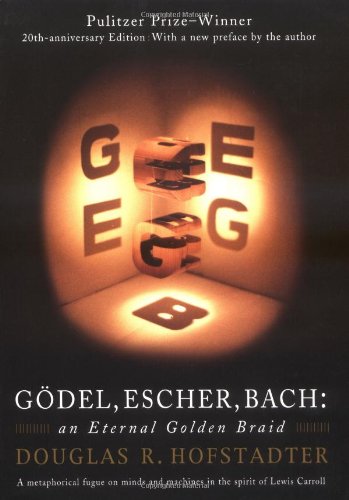
godel escher bachAndy just finished Born on a Blue Day, the memoir by Daniel Tammet, and he is now reading Gödel, Escher, Bach: An Eternal Golden Braid by Douglas Hofstadter. Gödel, Escher, Bach is enormous, so I’m thinking this is his summer read. Nonfiction isn’t normally Andy’s favorite genre, but he really enjoyed Born on a Blue Day and recently told me I’m going to have to read Gödel, Escher Bach, so he must be liking it too. Our couples book club is reading Life of Pi, but Andy read that a few years ago, and we just watched the movie, so I’m guessing he isn’t going to bother re-reading it.

Elizabeth (me), adult

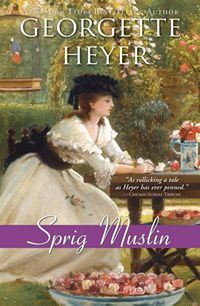
sprig-muslinMy lady’s book club read The Fault in Our Stars for June (excellent book; I’m in the process of forcing everyone in my family to read it.) We’ll be reading Orphan Train by Christina Baker Kline for July, and Silver Sparrow by Tayari Jones for August. I haven’t decided yet whether or not to re-read Life of Pi. So far this summer, I’ve been reading everything my library has by Georgette Heyer, and I’ve just reached the end. <Sigh of discontent.> For the car ride to the HNS conference, I’m planning to bring several Anne Easter Smith books I inherited from my mother and which have been on my TBR pile for far too long. My mom loved Anne Easter Smith, and I look forward to meeting Anne and having her sign my books. My one must-buy at the conference is Firebird by Susanna Kearsley—I’m excited to meet her and get her signature. Of course, I’ll browse the conference bookstore and buy more books, and I’ll get the bag of free books for all conference attendees. Just think of all the new authors I’ll discover! I’ll have no lack of books for my drive home and for the rest of the summer.

It’s a great summer of reading for us! What are you and your family reading? Let me know below.

If you have (or are) a reluctant reader and need some ideas, please post below. Give me an age, an interest or two, and/or a book that was enjoyed by this persnickety reader. I’ll do my best to match he/she/you to a book they/you will love.

Author Interview: Ann Weisgarber

ann-weisgarber

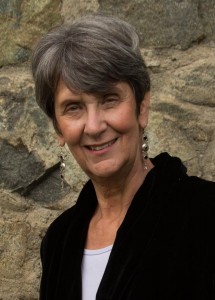
Today I welcome novelist Ann Weisgarber to my series of author interviews. Ann will be at the Historical Novels Society Conference as a panelist on the Historical Fiction: the American Experience session.

Welcome, Ann.

 Q: For you, what is the line between fiction and fact?

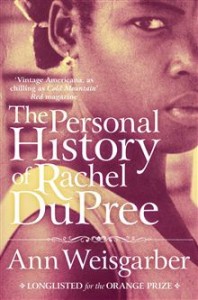
 A: I believe that readers trust us to tell the truth about historical events, locations, and cultural norms. I work very hard to keep those aspects as accurate as possible. If the facts don’t fit with the story I’m writing, I change my characters rather than the facts. In The Personal History of Rachel DuPree, I wanted my main character to have a brief interaction with Ida B. Wells Barnett, a historical journalist in Chicago. To make that work, I had to make my main character older by a few years. In The Promise, I wanted one of the main characters to play in an orchestra. However, in the late 1800’s, this was very rare for a woman. Rather than bend the facts, I changed the character so that she played in a four-woman ensemble, something that was becoming increasingly popular at the time.

These were small sacrifices that allowed me to keep the story historically accurate.

Q: Do you have an anecdote about a reading or fan interaction you’d like to share?

ann-personal-historyA: When The Personal History of Rachel DuPree was published in the United States, many African-American readers told me stories about their ancestors who homesteaded in the West. They thanked me for writing a novel about people who have been overlooked in the history books and a few readers sent photographs of their relatives. I’m deeply touched by these responses.

Q: Where do you feel historical fiction is headed as a genre?

 A: I’m on the selection committee for the Langum Prize in American Fiction and am impressed by the range of topics, locations, and time periods. There are many Civil War-based novels but there are also those that take place during the Industrial Era, World War I and Prohibition. Locations vary from North Carolina to Missouri to California. Some focus on historical people while others highlight ordinary characters. Each novel is a reminder that historical fiction is broad in scope, that the writing isn’t formulaic, and that as each decade passes, new material surfaces. That keeps the genre fresh. It offers something for every reader.

Fifty years from now, I’m confident that the Historical Novels Society will continue to meet and members will continue to discuss the fascinating evolution of historical fiction.

Q: Is there a writer, living or deceased, you would like to meet?

A: How I wish I could have met E.B. White so I could thank him for writing Charlotte’s Web. It’s the first book that I remember my mother reading to me when I was a child. I was spellbound by this story about impending death, friendship, hope, and most of all, the power of the written word. I’m still spellbound.

Q: Can you tell us about your latest publication?

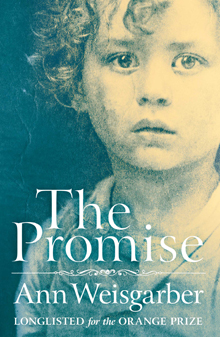
ann-PromiseA: The Promise was published in March 2013 by Mantle (Pan Macmillan) in the UK. It takes place on Galveston Island, off the coast of Texas, and begins a few weeks before the 1900 Storm, the worst natural disaster in the U.S. during the 20th Century. There are two narrators, Catherine and Nan, who both strive to cope with change as they struggle to find their places within a small household. Little do they know that a hurricane in the Gulf of Mexico is about to upend all that they know.

We’ve now reached the time in our interview for the let’s-get-to-know-the-author-better, nearly-pointless, sort-of-silly, rapid-fire questions:

Coffee or tea?  Coffee. I love the aroma.

Ocean or mountain?  Ocean

Hiking or shopping?  Hiking

Violin or piano?  Violin (May I call it a fiddle?)

Mystery or fantasy?  Mystery

Darcy or Heathcliff?  Heathcliff

Love scene or death scene?  Death scene. The possibilities are endless—the deathbed wishes, promises made, and, of course, the reading of the will.

For more about Ann Weisgarber, visit her website www.annweisgarber.com

Thanks, Ann!

Author Interview: Anne Easter Smith

Easter SmithToday I welcome Anne Easter Smith to my series of author interviews. Anne is the author of the highly acclaimed historical novels, A Rose for the Crown, Daughter of York, The King’s Grace, and Queen by Right. Her recently-released Royal Mistress is the story of Jane Shore, the final mistress of King Edward IV of England. Anne will be speaking on the To Trump or Trumpet: the History Police panel at the Historical Novels Society conference.

Q: What got you first interested in historical fiction?

A: A great teacher in boarding school hooked me on history, and so when I went home during the holidays I would go to the local library and read every historical novel I could get my hands on. I was not interested in any books that did not have women in long dresses. Even today, if a book cover, TV show or movie is period, I’m instantly interested.

Q: For you, what is the line between fiction and fact?

A: I’ll be talking about this on my panel at the conference. I fall into the “don’t mess with history” camp. To be honest, the people I have written about couldn’t have had more dramatic lives, even if I’d wanted to embellish them! I was mortified recently that a reader caught an egregious historical error that I cannot imagine not catching during the editing process. I feel a certain responsibility to my readers to not fudge the facts. After all, it was fact-fudging by Shakespeare and Sir Thomas More that got my favorite protagonist, Richard III, such a bad reputation.

Q: Do you have an anecdote about a reading or fan interaction you’d like to share?

A: Imagine my surprise when, at a reading near Albany, New York, a woman turned up dragging an 11-year-old boy with her. When I went to greet her, talking over the boy’s head, and said how brave she was to come when her son was surely not there of his own volition, she said: “Oh, I’m not here to see you, Jason is. He’s your biggest fan and his room is covered in English royalty genealogy charts!” Jason and I have kept up a correspondence ever since.

Q: What book was the most fun for you to write?

easter smith roseA: Definitely A Rose for the Crown. It’s not that I haven’t adored all my other protagonists, but I wrote that in my own time without any intention of letting anyone but my family read it and believed it would be my only attempt at writing a book.


Q: Can you tell us about your latest publication?easter smith royal mistress

A: Royal Mistress is the fifth in my series about the York family during the Wars of the Roses. It tells the story of Jane Shore, King Edward IV’s final and favorite mistress. I love that she was born into the merchant class of London, which allowed me to do a lot of research on the medieval guilds, and as she was called his “merriest” mistress by Edward himself, I knew she must have been quite a character. She had a roller-coaster of a life before and after Edward, but while she was his mistress, Jane was said to have truly been loved by the king. All the York family come into this book, including my Richard (III), although his treatment of Jane was rather harsh and forced me to look at him in a less saintly light than my first book A Rose for the Crown.

Thank you, Anne.

You can learn more about Anne Easter Smith and her books at www.anneeastersmith.com

Book Title Poetry

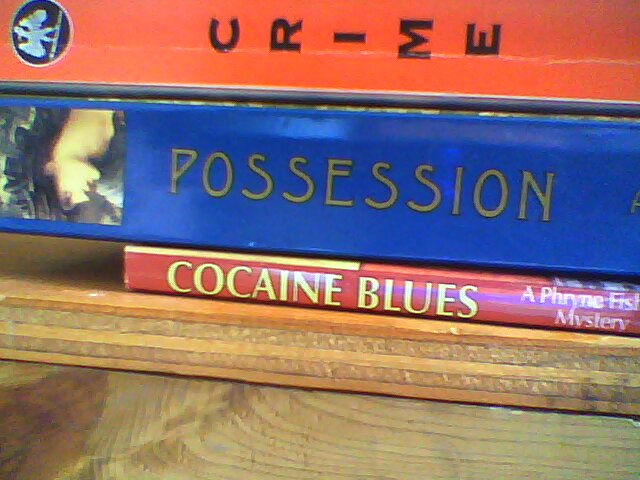
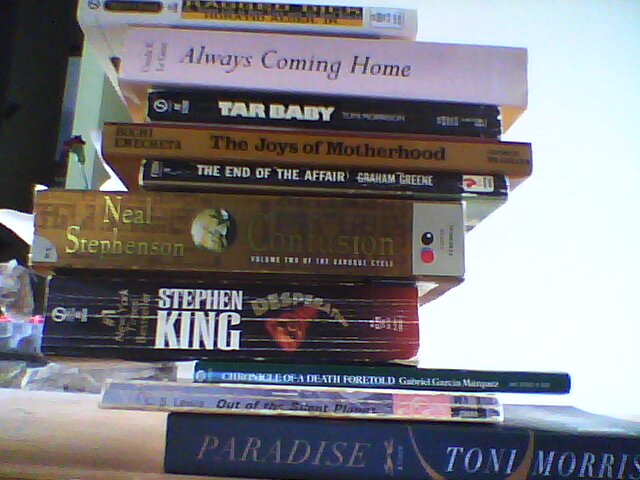
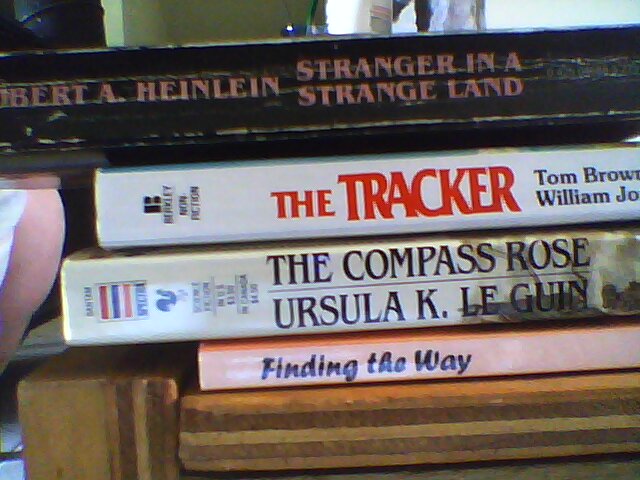
As soon as I looked through book title poetry by Nina Katchadourian, I  ran to my bookshelves to see what I could create.  Working for about 10 minutes (because I’m supposed to be working on my novel today!), with only the books in one room, I came up with these three poems.  I hope you like them.

(Click to make bigger.)

poem crime


(First book is Horatio Alger’s Ragged Dick.)

poem ragged dick

And finally…

poem stranger


Now run to your bookshelves and put together your own poems!