Best Books of 2023: July – Dec 2023

I read so many excellent books in the first part of 2023, I made a blog post about it. The second half of the year was equally amazing. Below are my favorites of the books I read, July-December of 2023. Again, there are so many I’m going to attempt just one-sentence summaries with links to the authors’ pages for each.

Cloud Cuckoo Land by Anthony Doerr: Using the Greek myth of Aethon, creative and amazing characters, from the past, present, and future find meaning in the midst of great peril.

Klara and the Sun by Kazuo Ishiguro: In the not-so-distant future, Klara is an “artificial friend,” a robot with sentience and the goal of aiding her troubled teen “owner” into a happy and stable adulthood.

Artemis by Andy Weir: This fast-paced thriller, set in the future on the moon, features the fabulous Jasmine Bashara, a small-time criminal tempted to make a big-time heist that will get her into more trouble than she can imagine.

Tomorrow and Tomorrow and Tomorrow by Gabriella Zevin: The story of three friends who create a video game company. This well written description is stolen from the author’s website: this is a “novel that examines the multifarious nature of identity, games as art form, technology and the human experience, disability, failure, the redemptive possibilities in play, and above all, our need to connect.”

The Butterfly Collector by Tea Cooper: Australian historical fiction. I was lucky enough to get an ARC to read for a Historical Novels Society review.

A Wish in the Dark by Christina Soontornvat: (intended for ages 9-12) Set in a Thailand-like fantasy world, a child born in prison and a child born to a prison warden seek justice and truth. In part, the story mirrors Les Miserable with added excitement and great world-building.

Hamnet by Maggie O’Farrell: I finally got around to reading this much-hyped book, and it deserves all the praise it got. This is the story of Shakespeare’s son, Hamnet. Exceptional writing and story-telling.

The Lies of Locke Lamorra by Scott Lynch: Another book I should have already read. Fantasy at its best. The story of Locke Lamorra, the renowned thief and rogue, from his orphaned childhood to his most dangerous exploits.

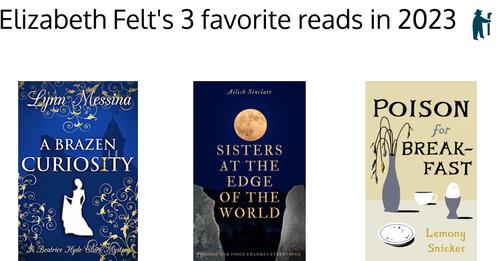
Poison for Breakfast by Lemony Snicket: If you enjoyed his Series of Unfortunate Events, you’ll love this Snicket mystery which involves diving into philosophy. I couldn’t find anything about this book on the Lemony Snicket website, but this one at his publisher’s is clever.

I was lucky to read two phenomenal books set before, during, and after the Japanese occupation of Malaysia:

The Garden of Evening Mists by Tan Twan Eng: This book is written so softly, so beautifully, so peacefully, you almost don’t think of it as a book about pain and loss and war and torture, which it is. Short-listed for the Booker Prize.

The Storm We Made by Vanessa Chan: The story of the Alcantara’s family who are Chinese-Malaysian, told through the perspectives of Cecily (mother), Jujube (teen daughter) Abel (teen son) and Jasmin (young daughter). The decisions each makes will have devastating impacts on the rest of their lives.

Letters from Clara edited by Janet Newman: This is the only nonfiction book on my list. These are the edited letters of Clara Pagel of Wausau, Wisconsin. On her own, she traveled the world from 1936 to 1939 and wrote letters home to her friends and fellow YWCA members. Her curiosity, intrepid spirit and thoughtful insights about the world, just before it broke out in war, are fascinating.

One Came Home by Amy Timberlake: (for children ages 9-12 and adults) When the sheriff decides that the unrecognizable body in her sister’s dress is her sister, Georgie Burkhardt doesn’t believe it and sets off to find her sister. Set in 1871 Wisconsin, during the massive passenger pigeon roost, as well as the Peshtigo fire, this is fast-paced, historical thriller for kids.

The Final Revival of Opal and Nev by Dawnie Walton: Using interviews, articles, and letters this tells the story of fictional rock duo Opal and Nev’s rise and fall in music history. Walton is masterful in the changing voices of those interviewed and her descriptions. Everything feels so real. An amazing look at the music industry and its handling of gender and race.

The Eyes and the Impossible by David Eggers: (for ages 8-12 and up) I hope this wins the 2024 Newbery Award. Johannes is a wild dog that lives in a large park with other animals, including two buffalo who reside in a comfortably large pen. As the elders, the buffalo make decisions and solve disputes among the other animals. Clever and fast, Johannes is the eyes for the buffalo, running around the park and reporting on what is going on. I won’t give anything more away. This is an enchanting animal story with beautiful, full-page illustrations by Shawn Harris every 20 or so pages.

The Mermaid and the Bear by Ailish Sinclair: A magical love story set in late 1500s Scotland that encounters the devastation caused by hate, jealousy, and the abuse of power. This story made me cry.

Thanks for making it to the end of this long post! I read 96 books last year (almost 100!), and SO many of them were excellent. How lucky is that? I wish I could have recommended more, but this post has already gotten very long.

I’d love to hear your thoughts about these books, your own favorite books of the past year, or anything else you’d like to mention.

Happy 2024 and may it be a great year of reading!

Guessing the next Newbery winner

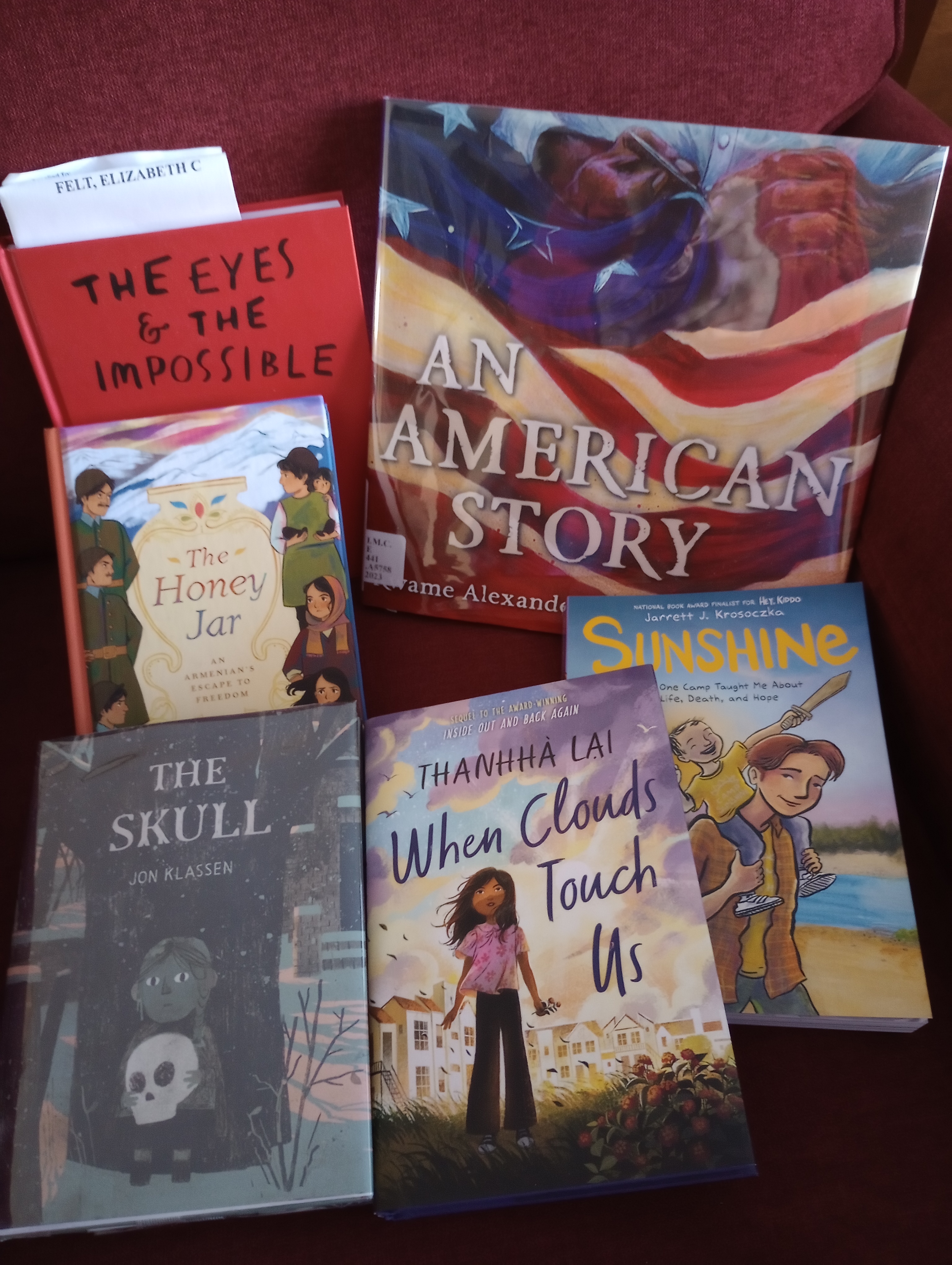
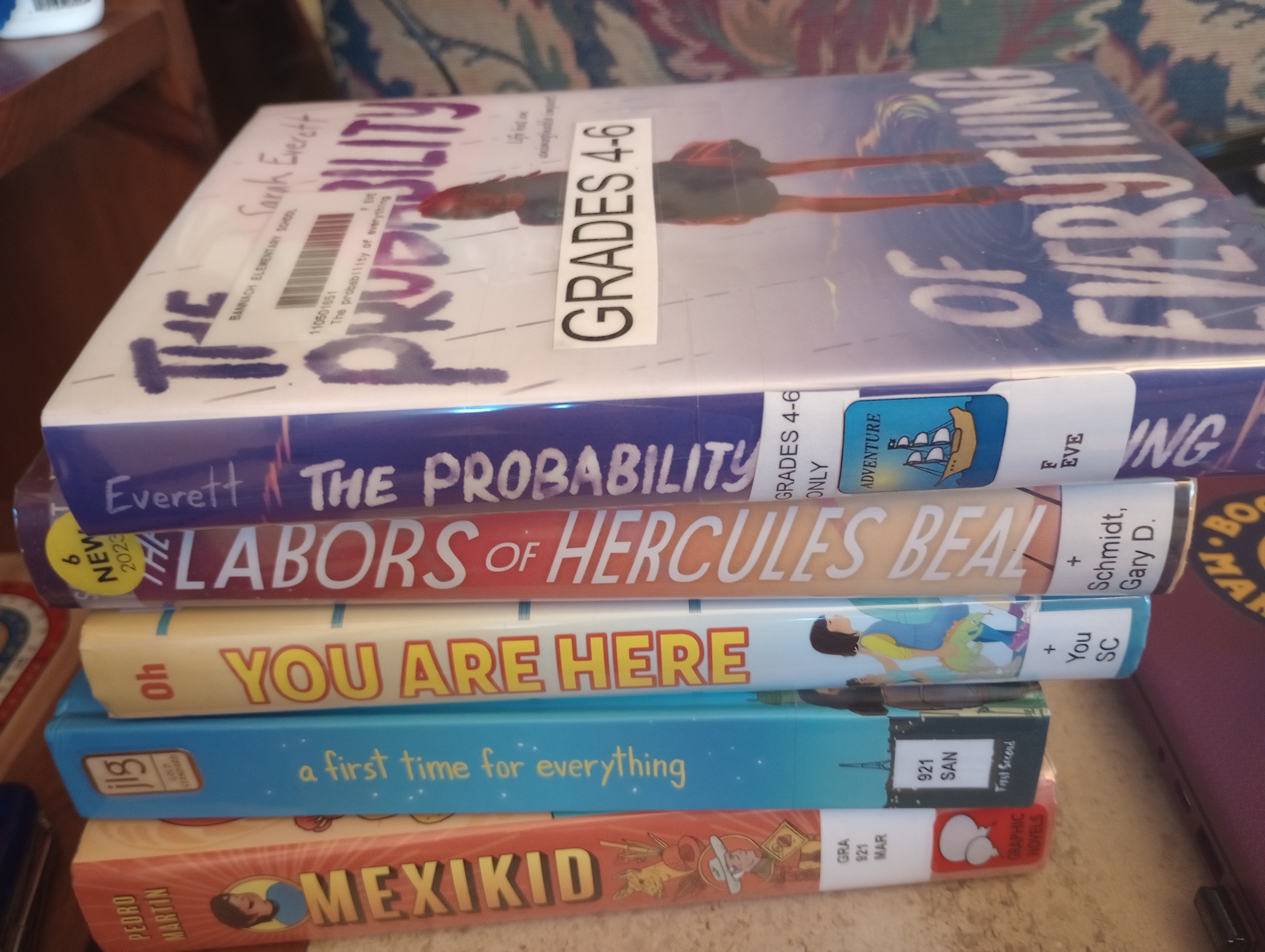
This is the time of year when one of my book clubs reads a lot of children’s books and tries to guess which one will win the Newbery Award. The books must have been published in 2023, and the winner will be announced at the American Library Association’s mid-winter conference on January 22, 2024. I’ll be streaming the award ceremony.

So far, my favorite books so far are Joan Schoettler’s The Honey Jar, Dave Eggers’ The Eyes and the Impossible and Sarah Everett’s The Probability of Everything. There are some books also on our contenders list that aren’t pictured above and that I haven’t read yet.

What are your favorite children’s books of the past year?

Favorite Books

This isn’t my favorite books of the year post (coming soon). Instead, this is a post talking about the BookDNA platform’s book promotion asking authors for their favorite three books of 2023. I’ve answered their question, and you can see my thoughts here.

If you are curious which books got the most votes (with about 2000 authors replying), you can follow that link too.

Shepherd is for both readers and writers as an alternative to Goodreads (owned and controlled by amazon). So, take a look and sign up if you are so inclined.

Sneak peak:

Lost Tree

We lost a tree.

I tried to find photographs of it, but there were very few. The tree was never the subject of any of my photography. Sad. Now that the tree is gone, I regret how little I thought of it.

It was there, at the edge of our front yard, greeting us when we came home.

It was there, giving us beautiful shade every summer.

My children climbed up into fullness, sitting on its sturdy branches. They hid up high, spying on neighbors and unsuspecting pedestrians.

My children played “catch the leaf” in the fall, running hither and thither, giggling and gasping, trying to catches its lovely leaves.

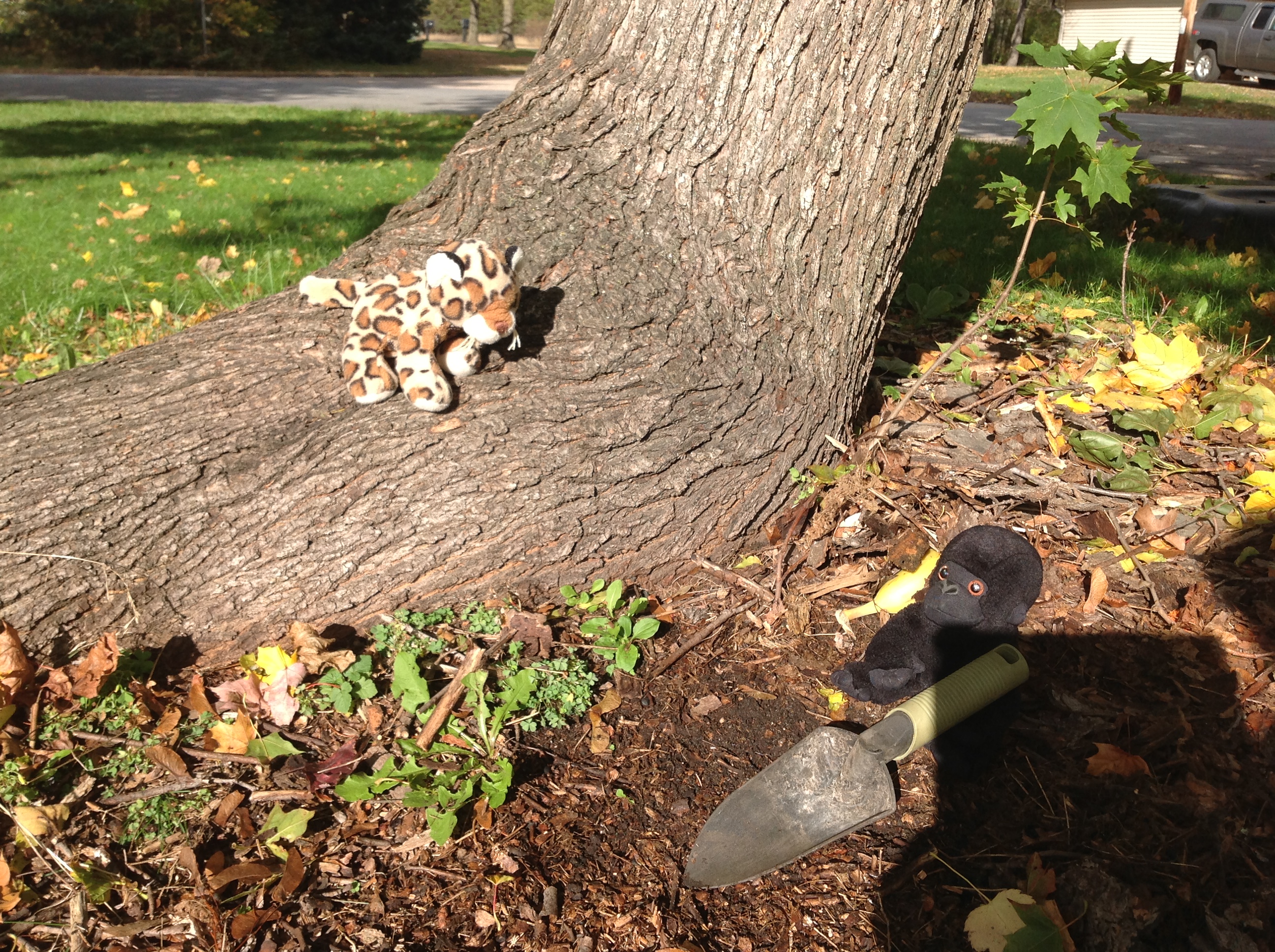
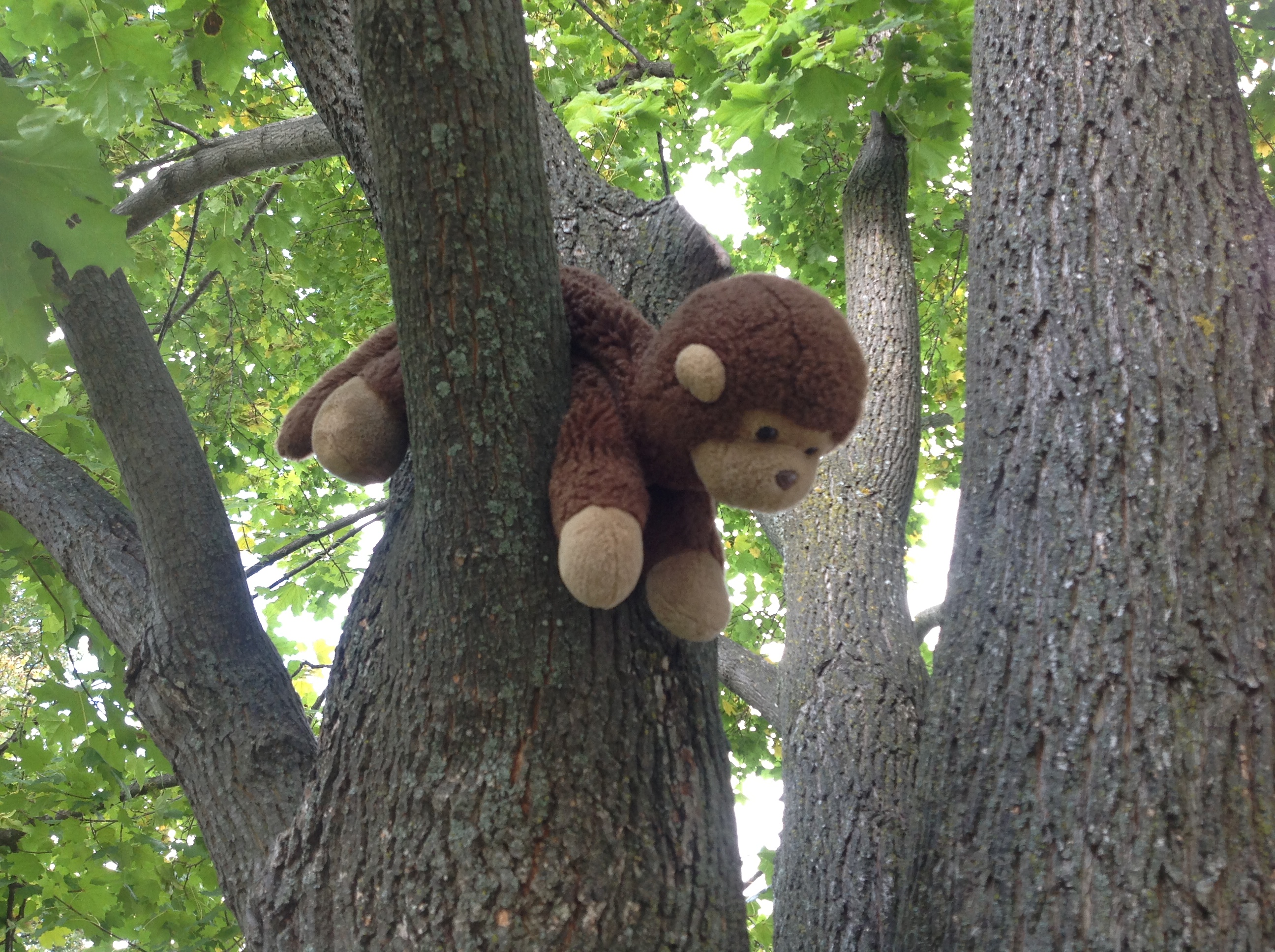
My children’s stuffed animals, Pippo, Cloudy, and U-Umph, also played in and by the tree.

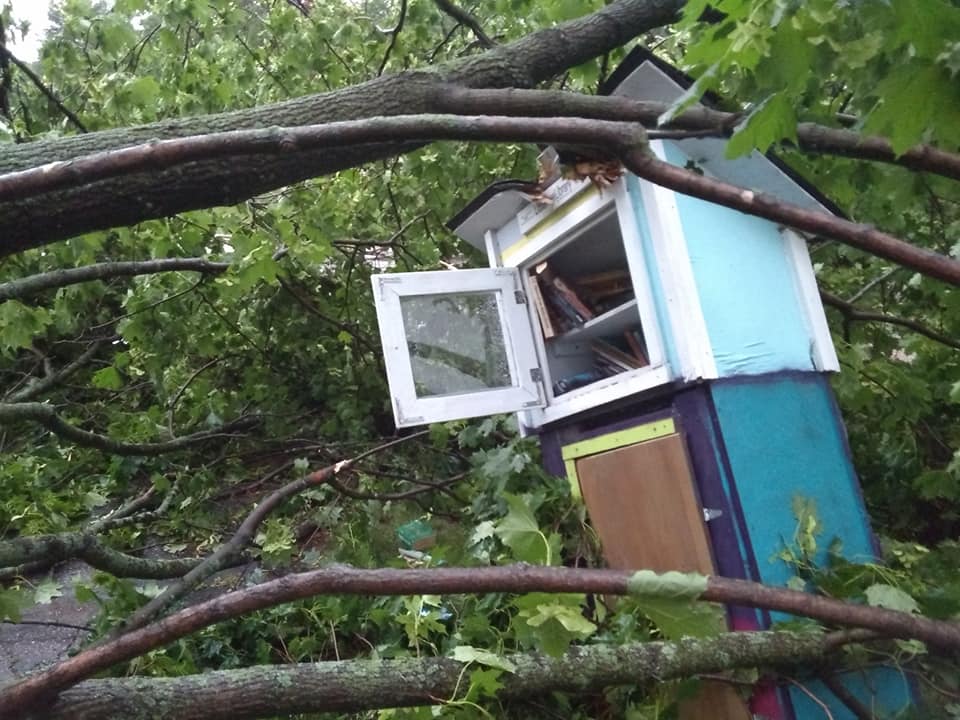
A storm blew off a large low limb which ripped down the trunk to the ground. It was a fatal blow. I took a picture of the fallen limb which landed on my Little Free Library. The library was repaired; the tree began to die.

A week ago, some men came to our home. They cut away its branches, then its limbs, and finally its trunk. The tree is in pieces in a pile on the ground. There is but empty space where once there was such life.

Its wood will warm our house in winters to come.

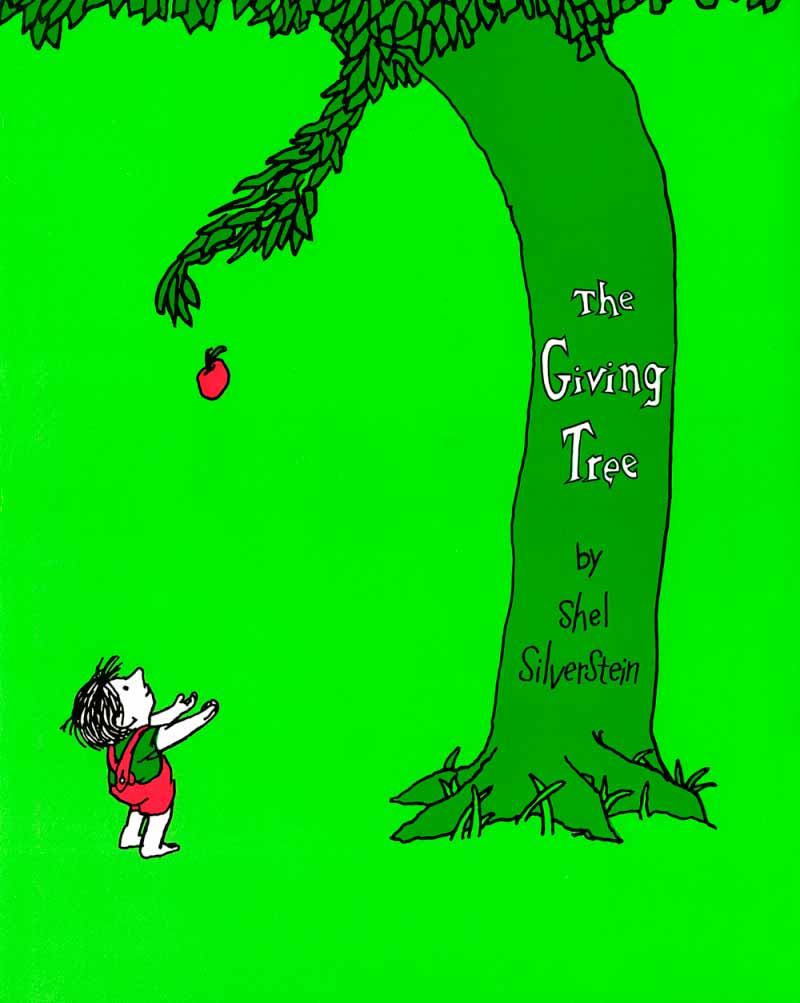
Shel Silverstein’s The Giving Tree has been on my mind.

Our tree gave and gave. It gave much to our family without our thinking about it. Our tree filtered the air. It consumed carbon. It created homes for animals and birds and insects. And with its death, it will warm our home.

Trees live long, quiet lives. They can communicate to each other. It seems to me that trees are the most evolved species on earth. We humans may have sentience and intelligence, but we take and take and take. Trees give and give and give. What is more evolved that that?

Good-bye, my dear, sweet maple.

Where Am I?

We returned home to Stevens Point, Wisconsin, on July 14th. I haven’t posted anything in almost a month. We’ve been busy saying good-bye and saying hello!
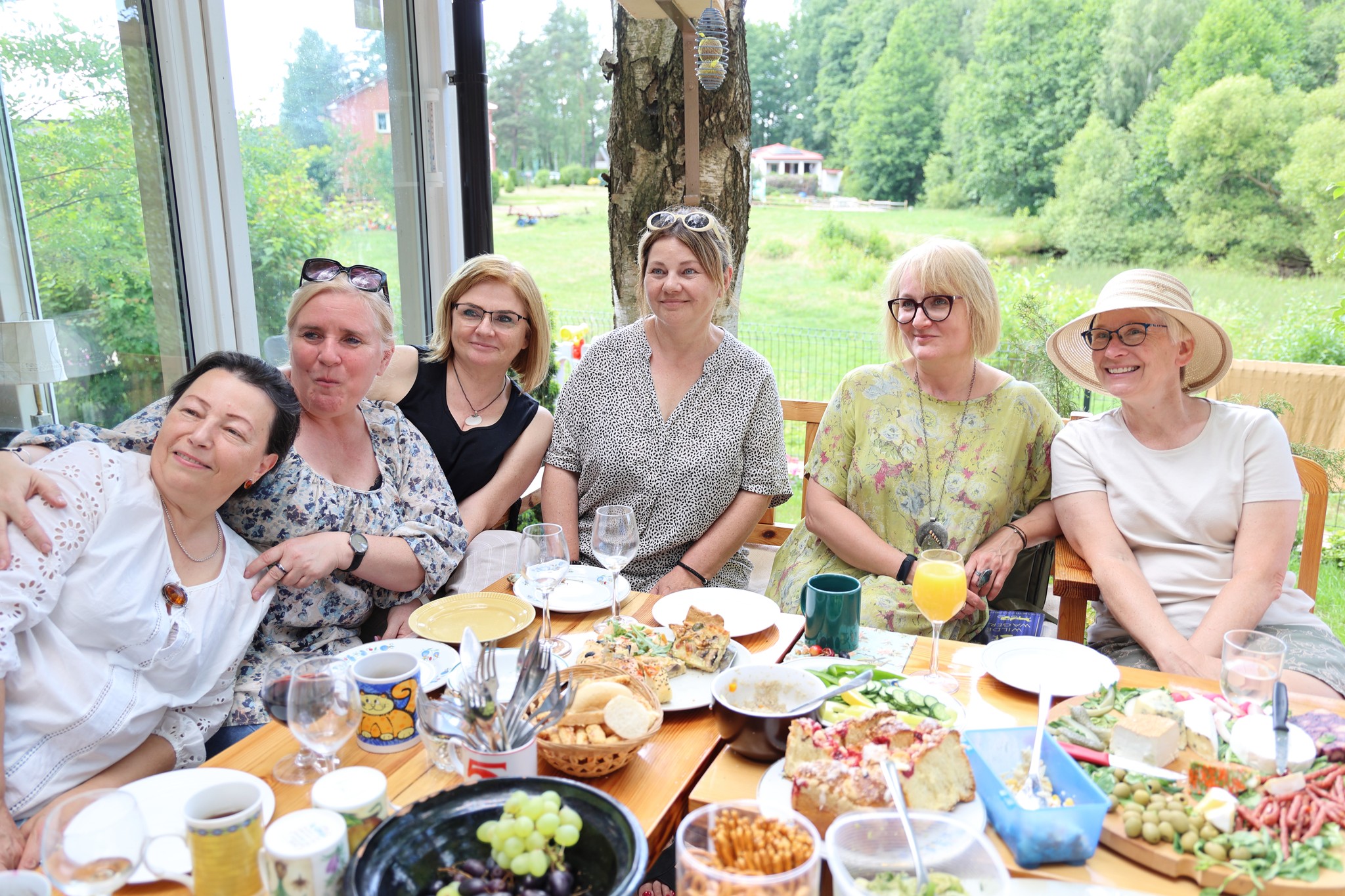
In Gdansk, for almost a whole week, we spent at least one meal a day with someone that we won’t be able to see again for a long time–but our plan is to return! We will meet again!

And, of course, Andy’s choir met with us several times to say good-bye. We are hoping to see all of them again next summer, here in Stevens Point, singing in English and Polish! Keep an eye out for announcement of the Non Serio American Tour!

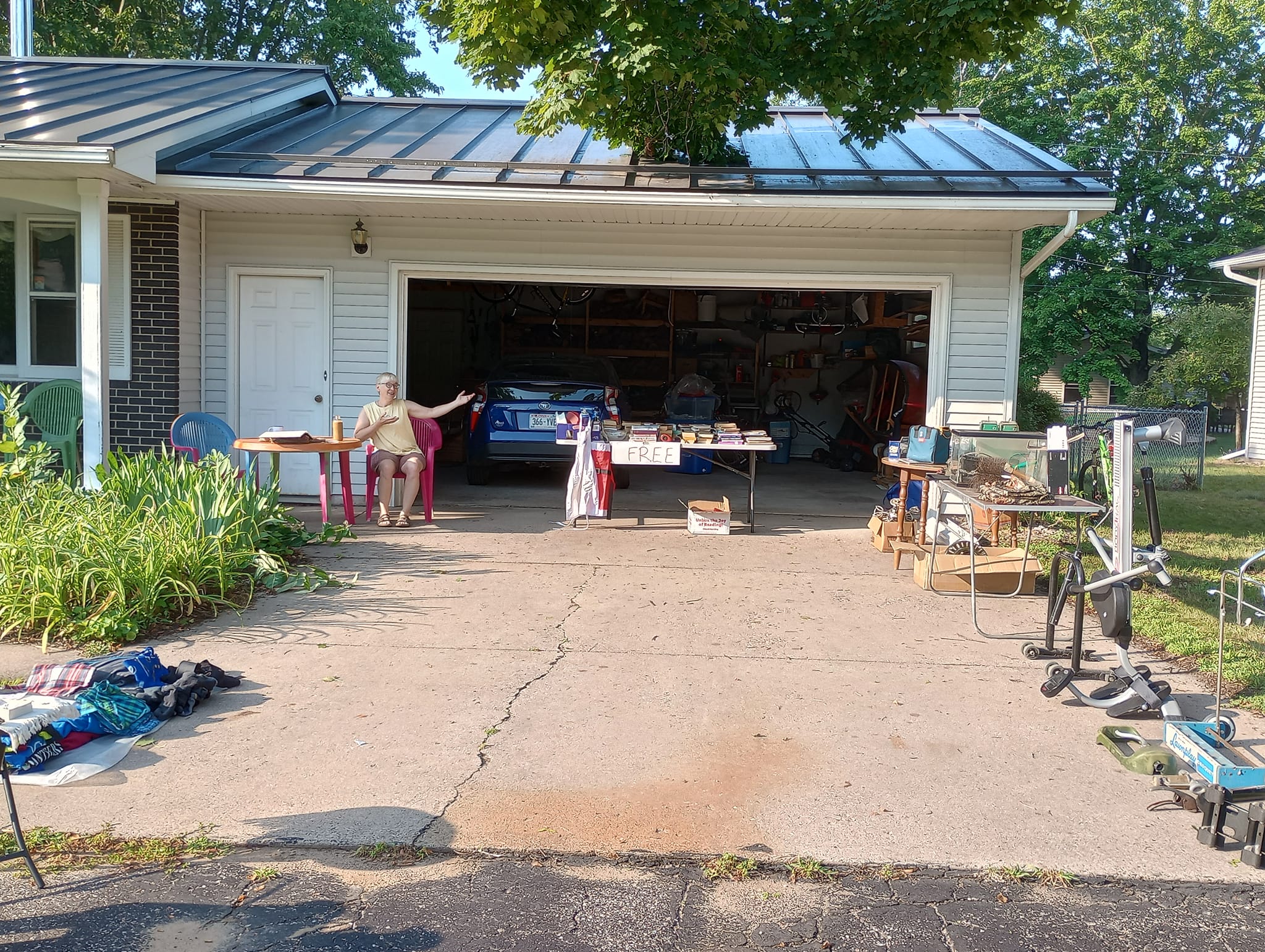
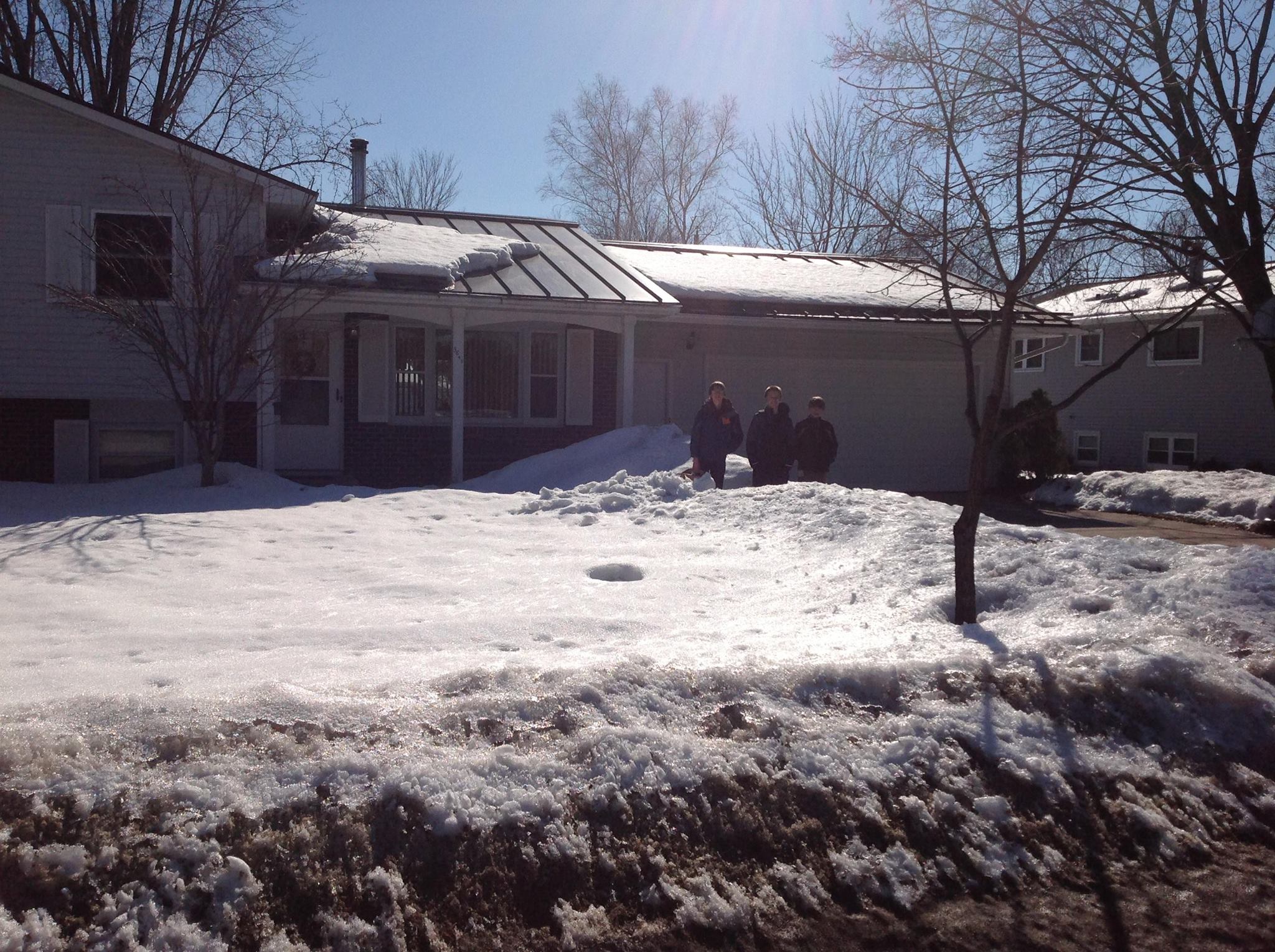
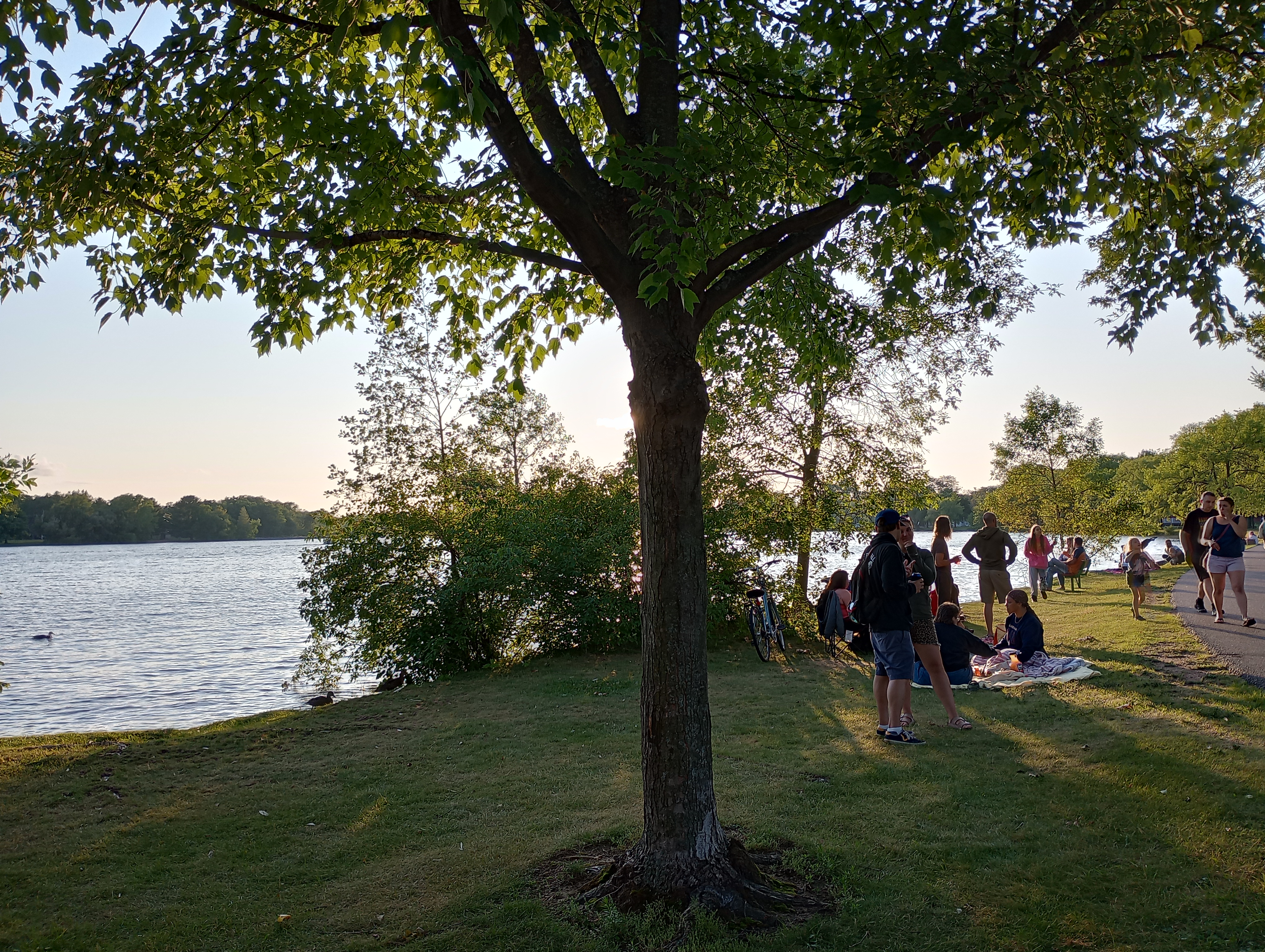
Since being home, I’ve met with both of my book clubs (no pictures taken), and played Dungeons and Dragons three times (no pictures taken). I’ve had coffee with friends (no pictures taken–that’s the problem with being back to normal! I never take pictures!) and more visits with friends planned in the days to come. Pictures are always the best part of a blog post, so I’ll include a couple. Here’s our house and Little Free Library, also some photos taken at a concert at a city park located next to the Wisconsin River.

Stay tuned; I hope to have some writing news in the next few days.

A Day in Hel!

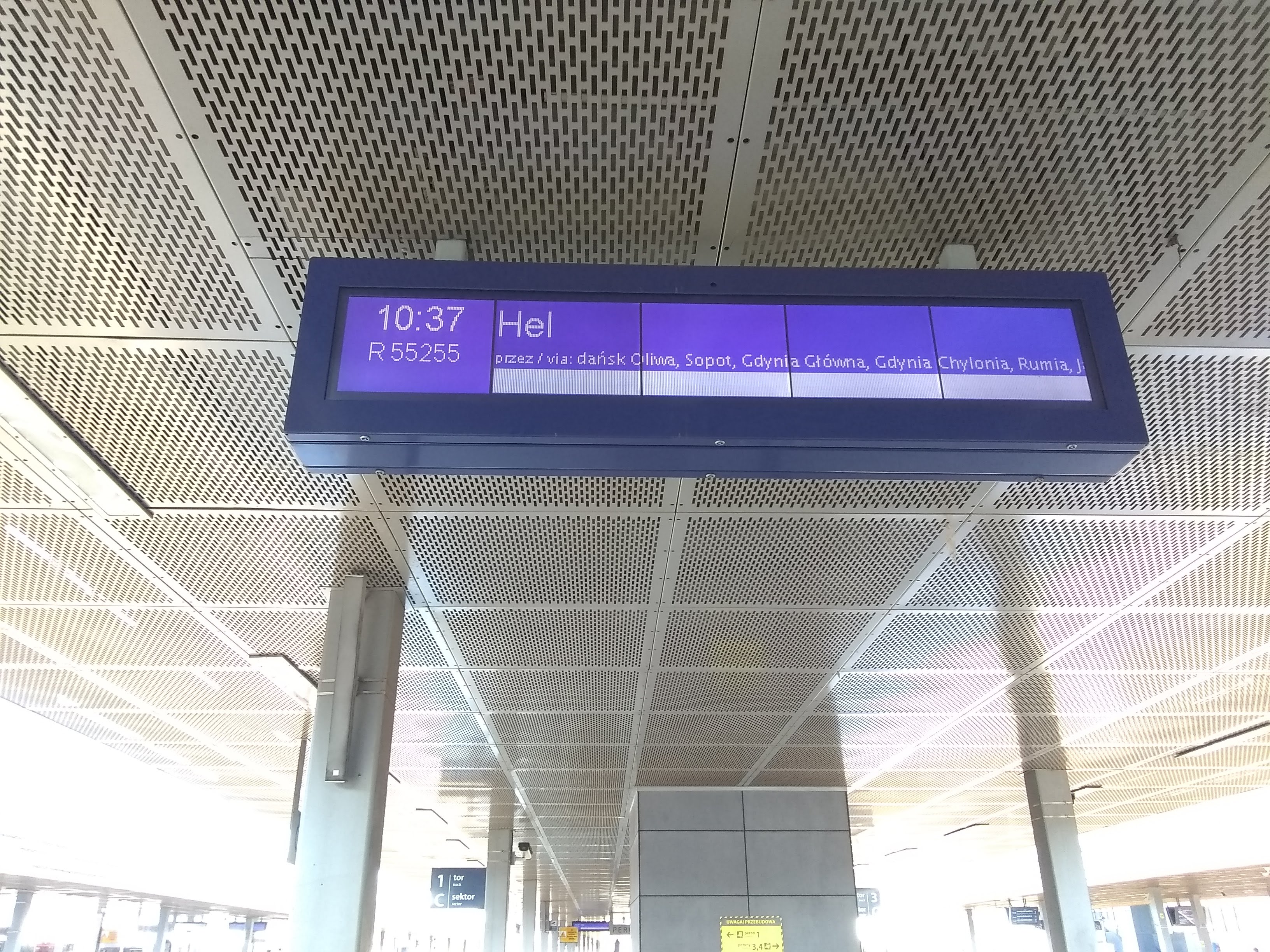
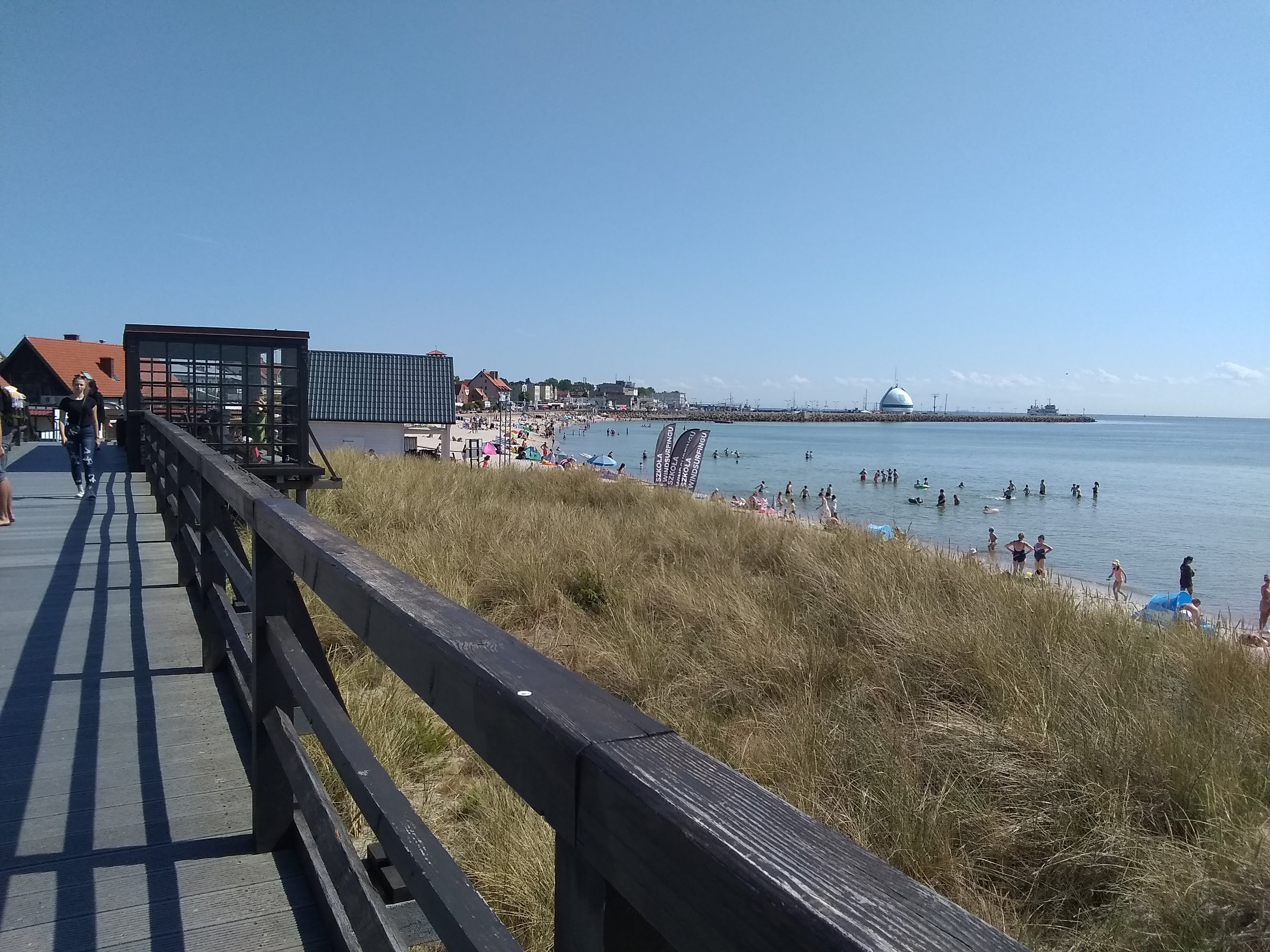
In addition to the opportunity for a title like this and additional funny sentences, going to Hel was a lot of fun. Hel is a town at the end of the Hel Peninsula, which juts out into the Baltic Sea on Poland’s northern coast.

This was a spur-of-the-moment, unplanned day trip. We caught a mid-morning train for the 2-hour ride to the town of Hel, arriving a little after noon. The cost was incredibly cheap (about $10 round-trip for each of us). The train goes nearly all the way to the tip of the peninsula; sometimes you can see the Baltic from one side of the train, and sometimes from the other. It was a cool ride.

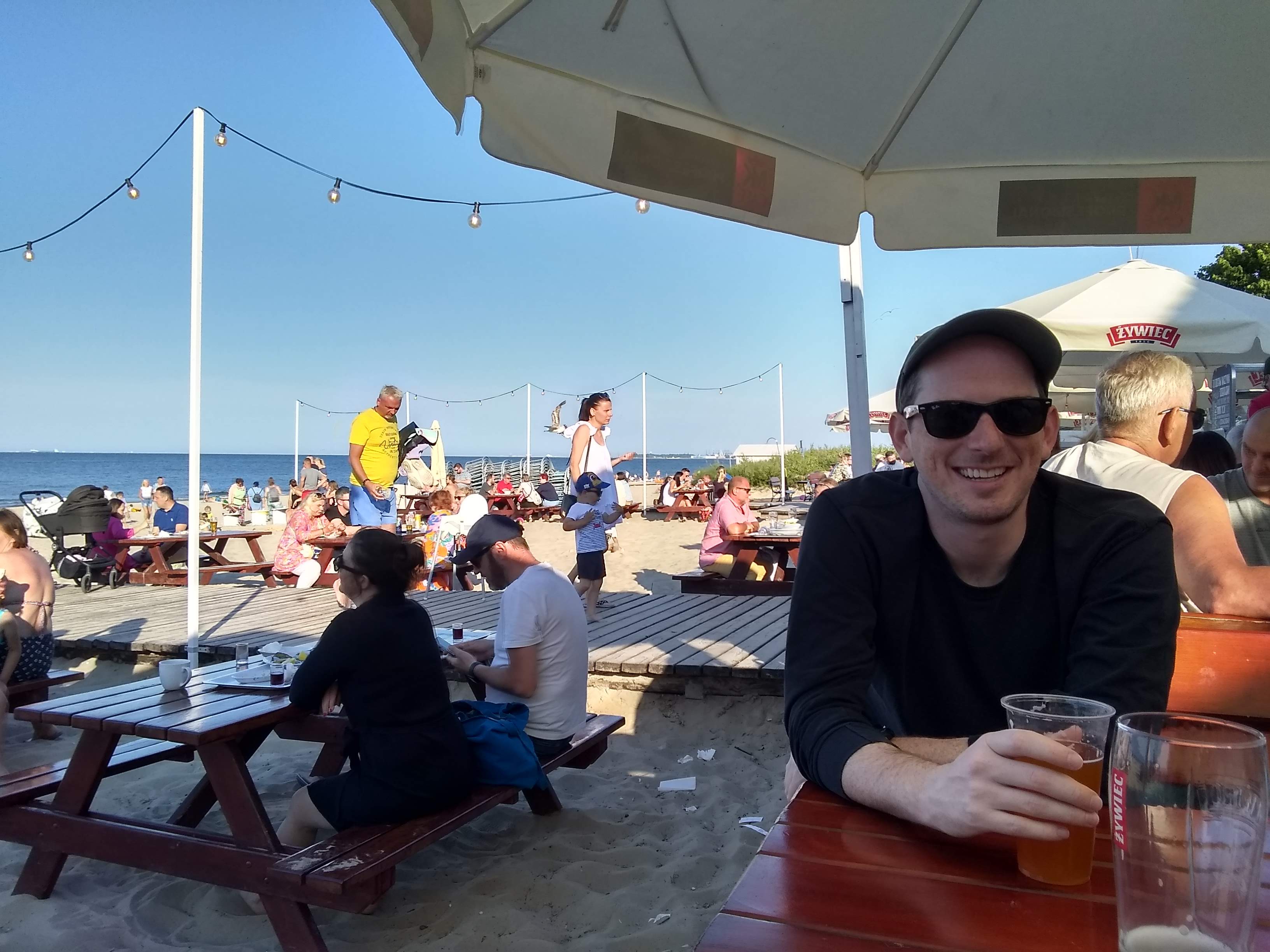
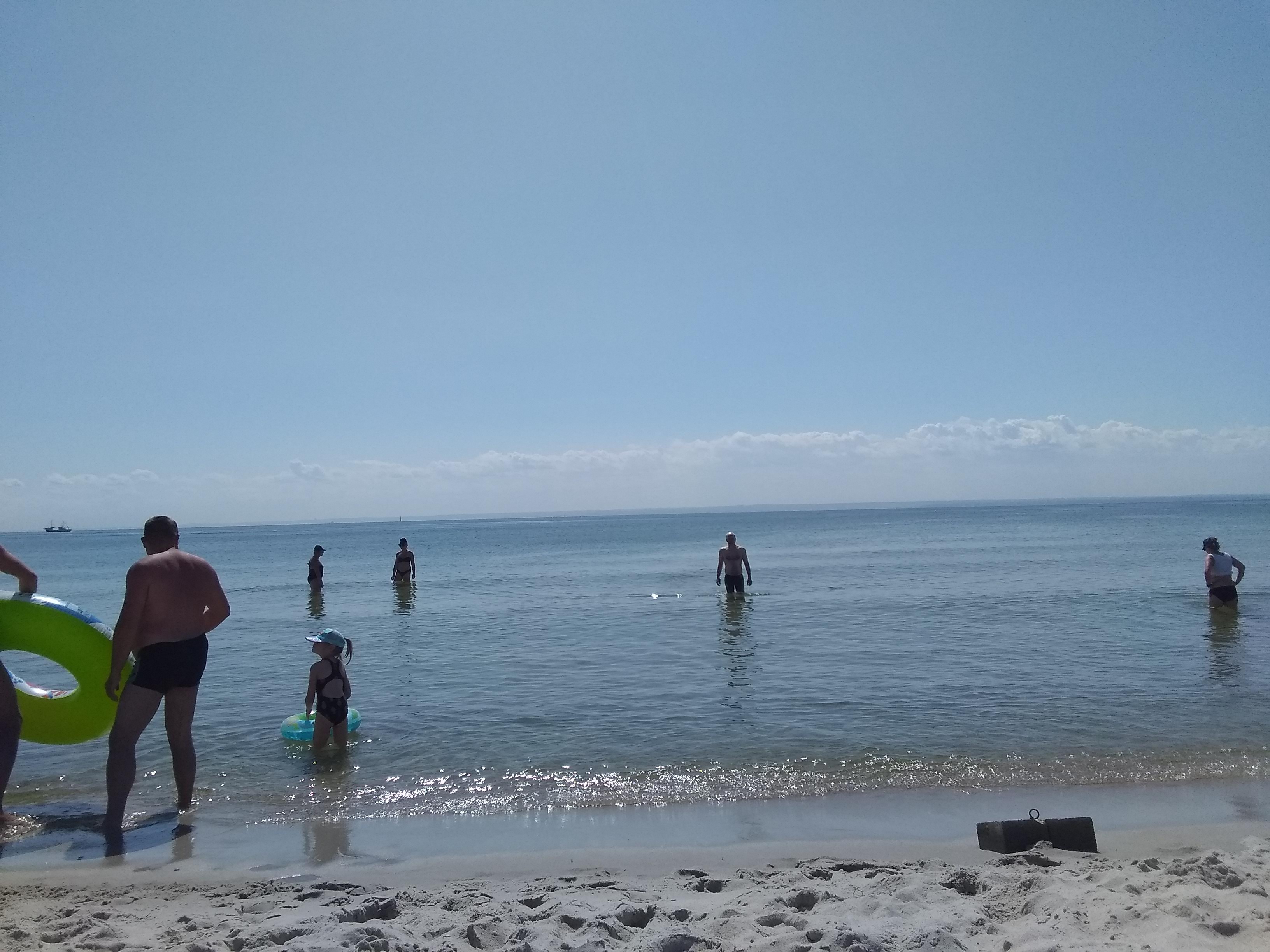
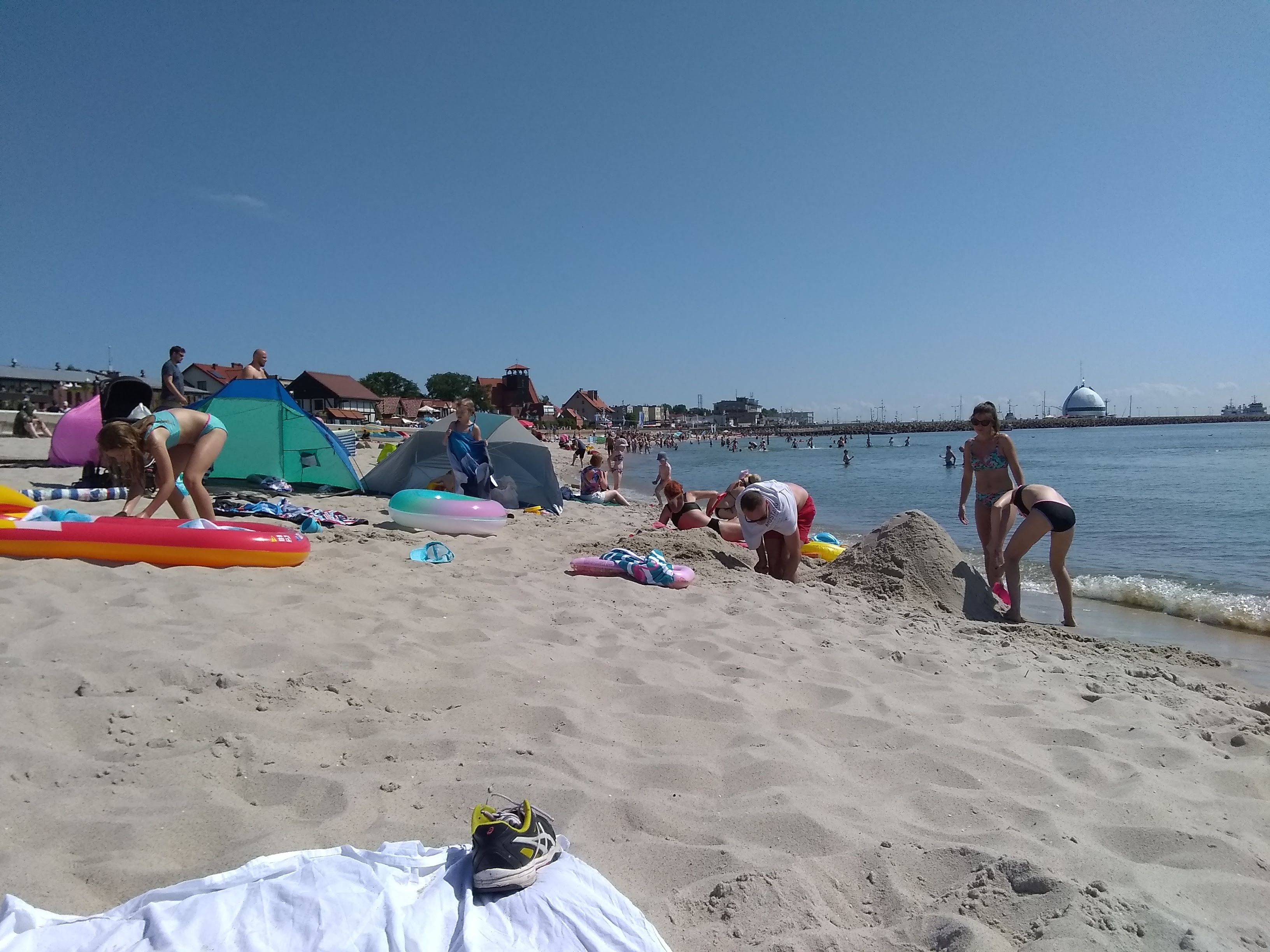
We wandered Hel a little, then headed for the beach. We found a place to put on our swimsuits, did a bit of swimming, sunbathing, and people watching. I enjoyed watching the family next to us create a large, moated sand tower that the youngest child (not pictured, age about 3) eventually climbed and destroyed. I wonder if that is how the Japanese got the idea of Godzilla.

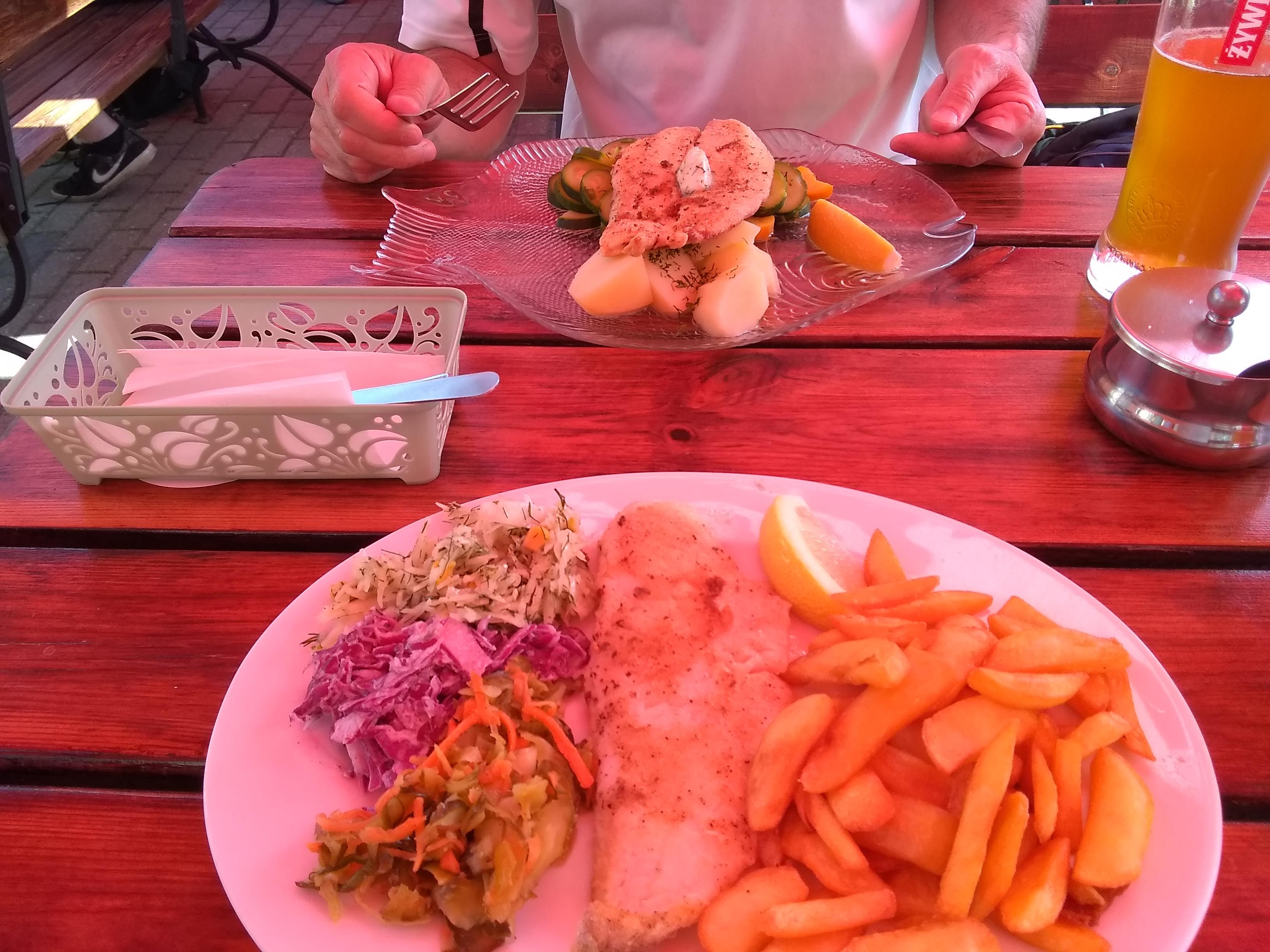
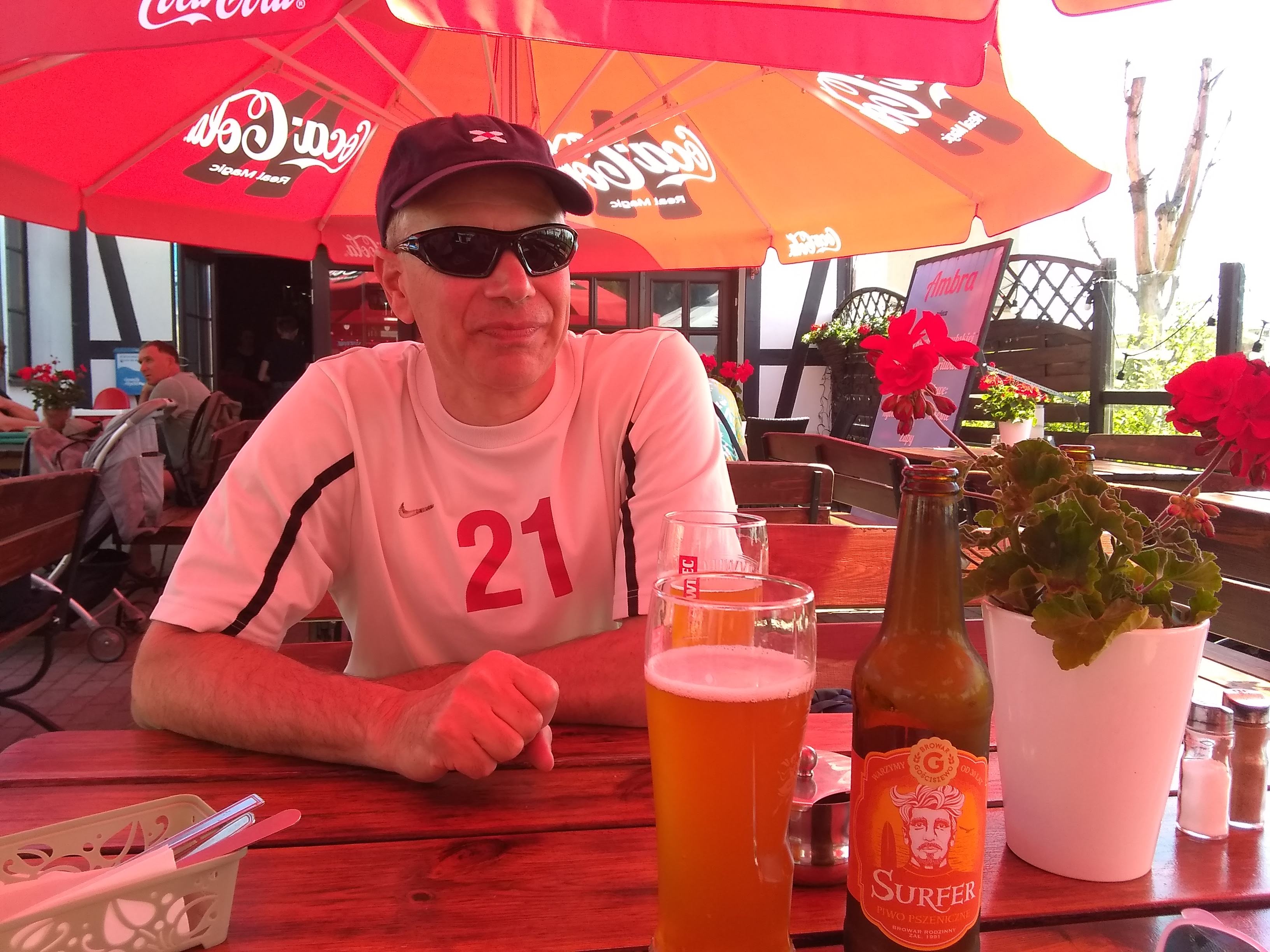
The beaches on the Baltic we’ve visited have been beautiful and not too crowded, although we do usually go on week days. We’ve been lucky with the weather. Once we had our fill of water and sun, we roamed the streets looking for a restaurant with outdoor shaded seating in which to eat, drink, and relax. The place we chose had adequate food and an excellent, local wheat beer.

We did some more wandering, then caught an evening train home, again enjoying the sights out the train window. In the summer, the sun doesn’t set until after 10pm this far north.

Best Books Jan-June 2023

I’ve read so many good books through the first half of this year that I cannot wait until the end of the year to tell you about them. It’s a long list (longer than most full year posts), so I’m going to try to write one-sentence summaries. The title/author link will most often take you to the author’s website.

The Readers of Broken Wheel Recommend by Katarina Bivald

  • A bookish young Swedish woman comes to America to meet her recently deceased pen-pal and meets a charming community instead.

Aviva vs the Dybbuk by Mari Lowe

  • (Middle Grade) When a girl’s father dies, she and her mother move into a home that is haunted by a Dybbuk, a ghost of Jewish folklore.

Demon Copperhead by Barbara Kingsolver

  • Dicken’s David Copperfield moved to the setting of modern-day Appalachia.

Fairy Tale by Stephen King

  • As a lover of fairy tales, I enjoyed how King played with the genre in this not-a-horror-story novel.

Termination Shock by Neal Stephenson

  • In this near-future, science fiction novel, an array of diverse and fun characters attempt to solve global warming and other world issues.

The Beatrice Hyde-Clare mystery series by Lynn Messina: A Brazen Curiosity (1), A Scandalous Deception (2), An Infamous Betrayal (3), A Nefarious Engagement (4), A Treacherous Performance (5), A Sinister Establishment (6), A Boldly Daring Scheme (7), A Ghastly Spectacle (8), A Malevolent Connection (9), An Ominous Explosion (10), An Extravagant Duplicity (11) and related to the series: A Lark’s Tale and A Lark’s Flight

The Sentence by Louise Erdrich

  • A year in the life of Tookie, an ex-con, Native American woman, and book store employee who reads with “murderous attention” and is haunted by an annoying ghost.

Sisters at the Edge of the World by Ailish Sinclair

  • In ancient Scotland, a silent, prophetic young woman is caught between her Caledonian tribes and Roman invaders.

Midwives by Chris Bohjalian

  • A midwife struggles with her conscience and a legal battle when one of her patients dies.

A Blackened Mirror by Jo Graham

  • The first in a trilogy about Giulia Farnese, a young woman and seer who befriends Lucretia Borgia and becomes lovers with her father, the ambitious Cardinal Borgia.

Whistling Past the Graveyard by Susan Crandall

  • A young white girl runs away from home in 1963 Mississippi and gets lessons in racism, family, and love.

The White Donkey by Maximilian Uriarte

  • A powerful, adult graphic novel about life as a solder in the US Marine Corps.

Alchemy of a Blackbird by Claire McMillan

  • A fictional biography of the fascinating and amazing Spanish surrealist artist Remedios Varo.

Lab Girl by Hope Jahren

  • (nonfiction) This memoir of a female anthro-biologist is beautifully and skillfully written, mixing life information with a love of plant life.

Dear Committee Members by Julie Schumacher

  • This epistolary novel, mostly letters of recommendation interspersed with emails and memos, is a hilarious (and sometimes too close to home) glimpse of the life of an English professor.

A Long Walk to Water by Linda Sue Park

  • (middle grade) The story of one of the “lost boys” of Sudan and his long journey out of his war-torn home country to the US, told in alternating chapters with the story of a young girl currently living in a village in Sudan.

Wildoak by C.C. Harrington

  • (middle grade) In alternating chapters: a young girl who stutters is sent to live with her grandfather in Cornwall while her father decides how to fix what is “wrong” with her, and a young snow leopard is purchased as a gift and then dumped in Cornwall’s Wildoak Forest when he becomes too much to handle.

Thanks for making it to the end of this list. If you are trying to decide on what to read next, I recommend buying books from authors you’ve never heard of and getting books from famous authors from your library. The small-time authors are the ones who need your support the most.

A Surprise Adventure

A couple of weekends ago, Andy’s choir, Non Serio, had an “outing,” and nobody, except the organizer(s), knew where we were going. We met at a McDonald’s just outside Gdansk. Our neighbors, Piotr and Patti, let us ride in their rental car. They find it much cheaper to rent a car when they want one than to own one. (Piotr is in the choir with Andy.)

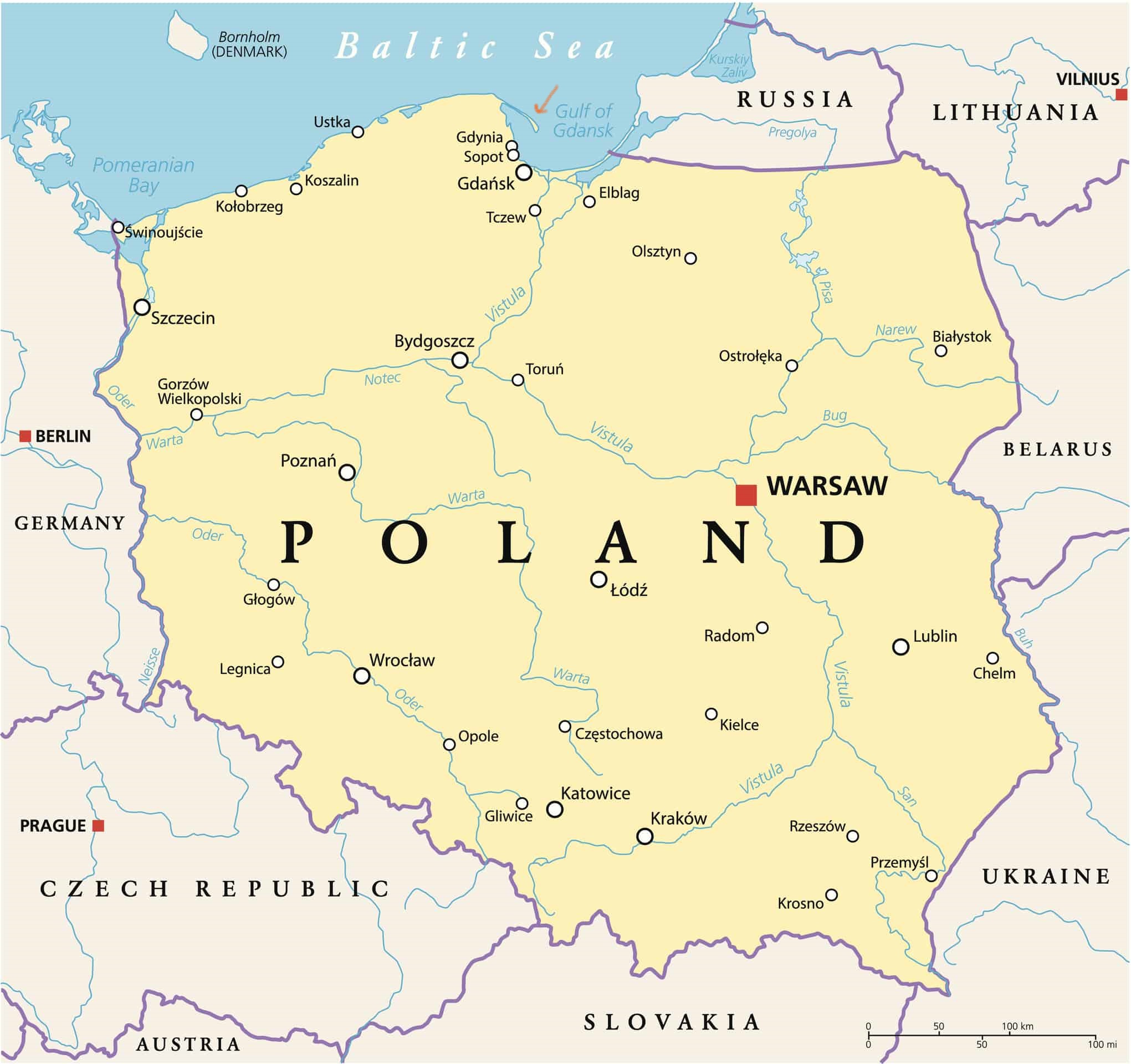
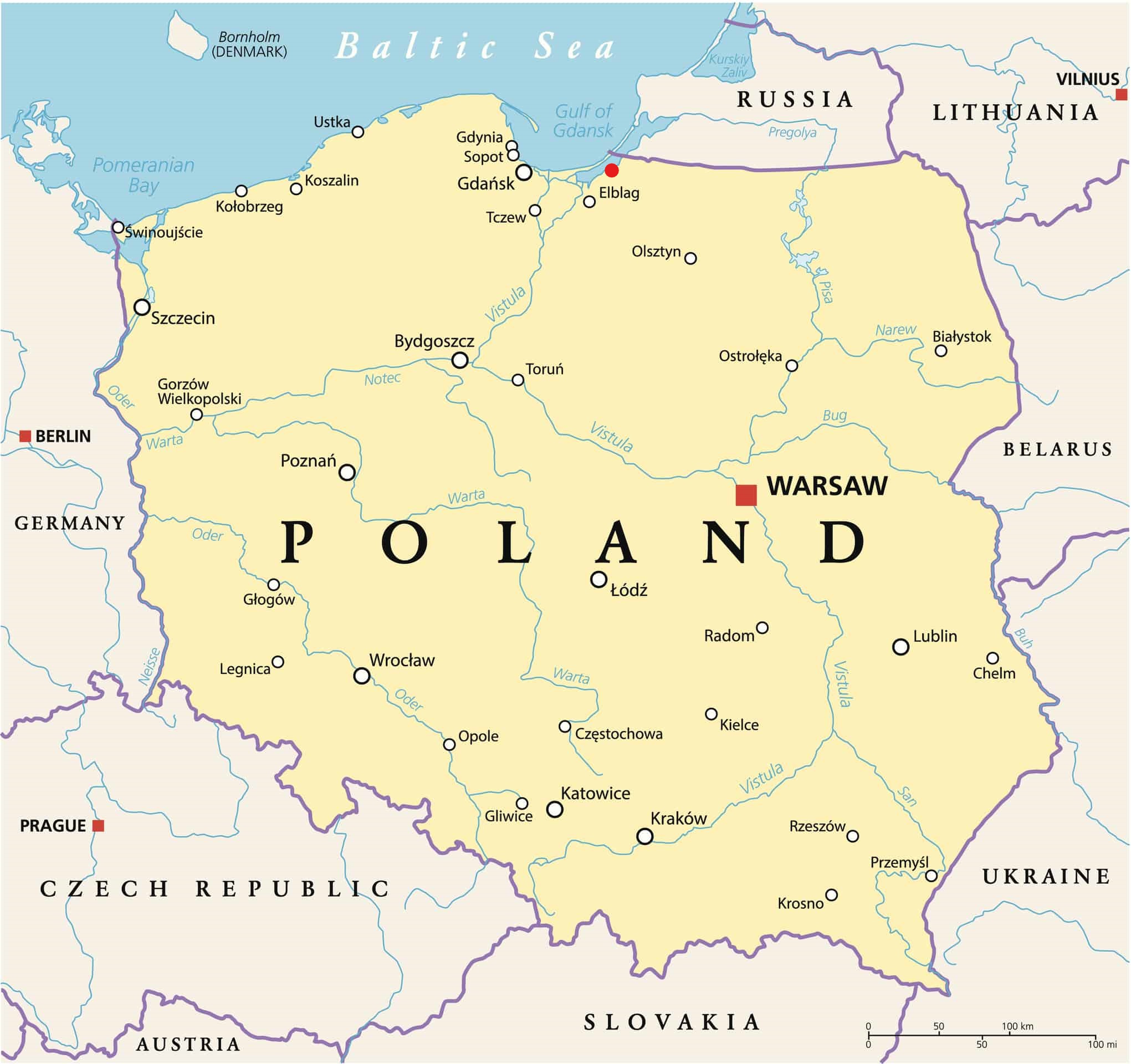
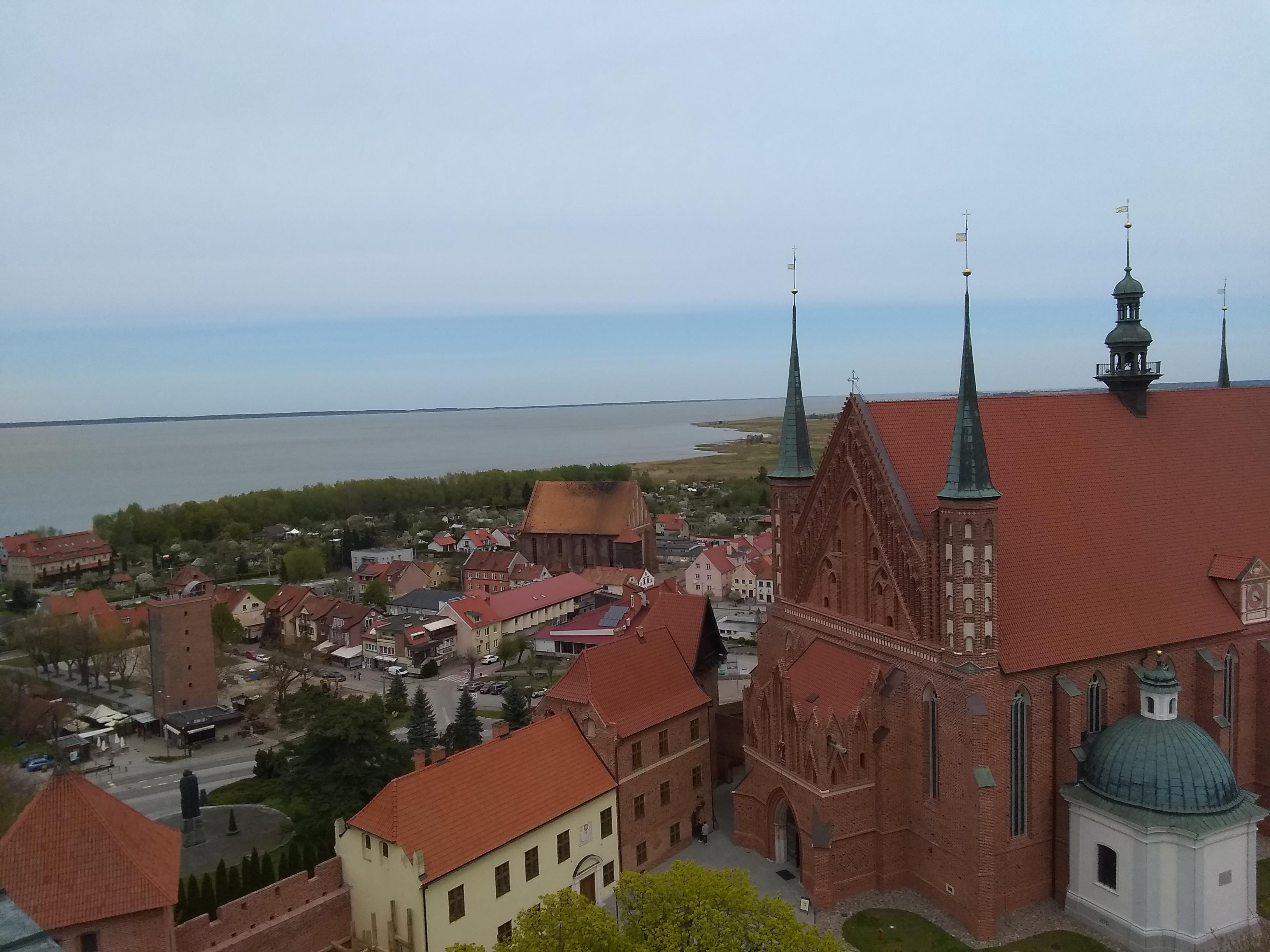
About a dozen members of the choir, as well a some spouses and one dog, met at the McDonald’s to learn that we would be going to Frombork and its Planetarium! Frombork isn’t far from Gdansk as you can see on the map below. The red dot along the Baltic is Frombork. I couldn’t figure out how to type the name on the image and free-hand writing with a mouse was illegible:

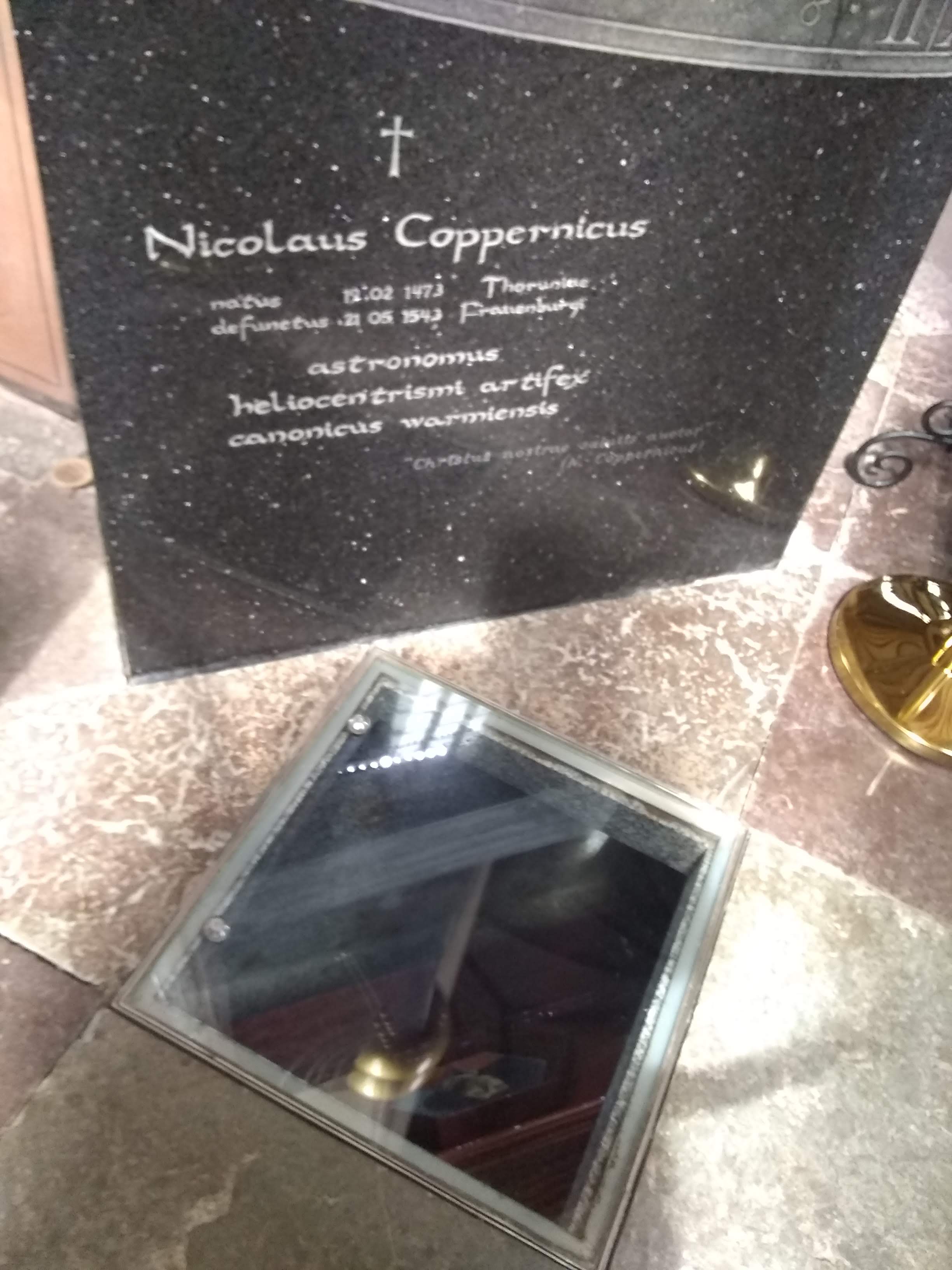
Frombork is a place that Nicolas Copernicus lived for a while. To review, Copernicus is the man who first* came up with the idea that the earth revolved around the sun and not the other way around. (*I’m qualifying this statement because it seems to me likely that someone else/others had this idea, and they don’t get credit for it.)

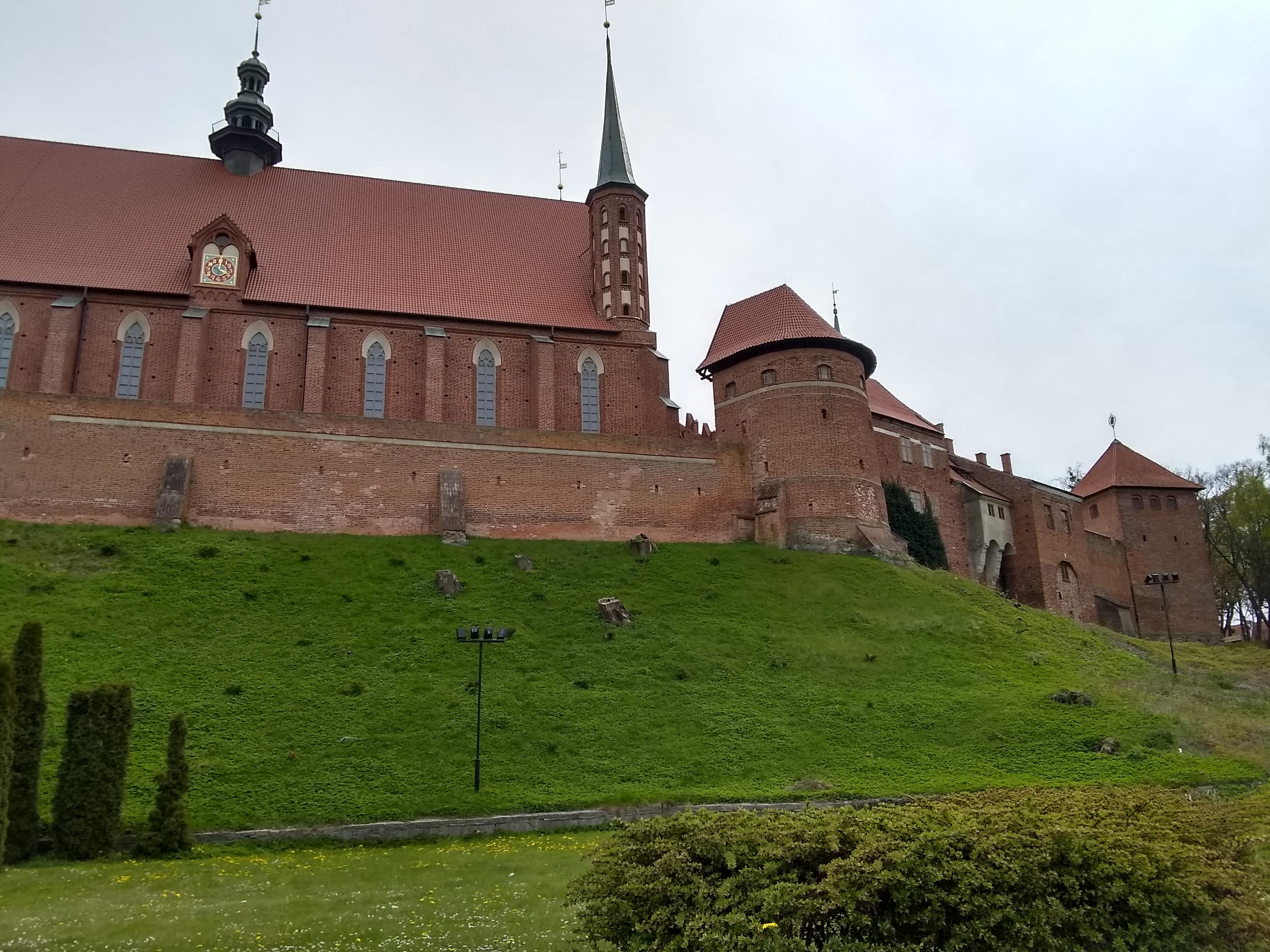
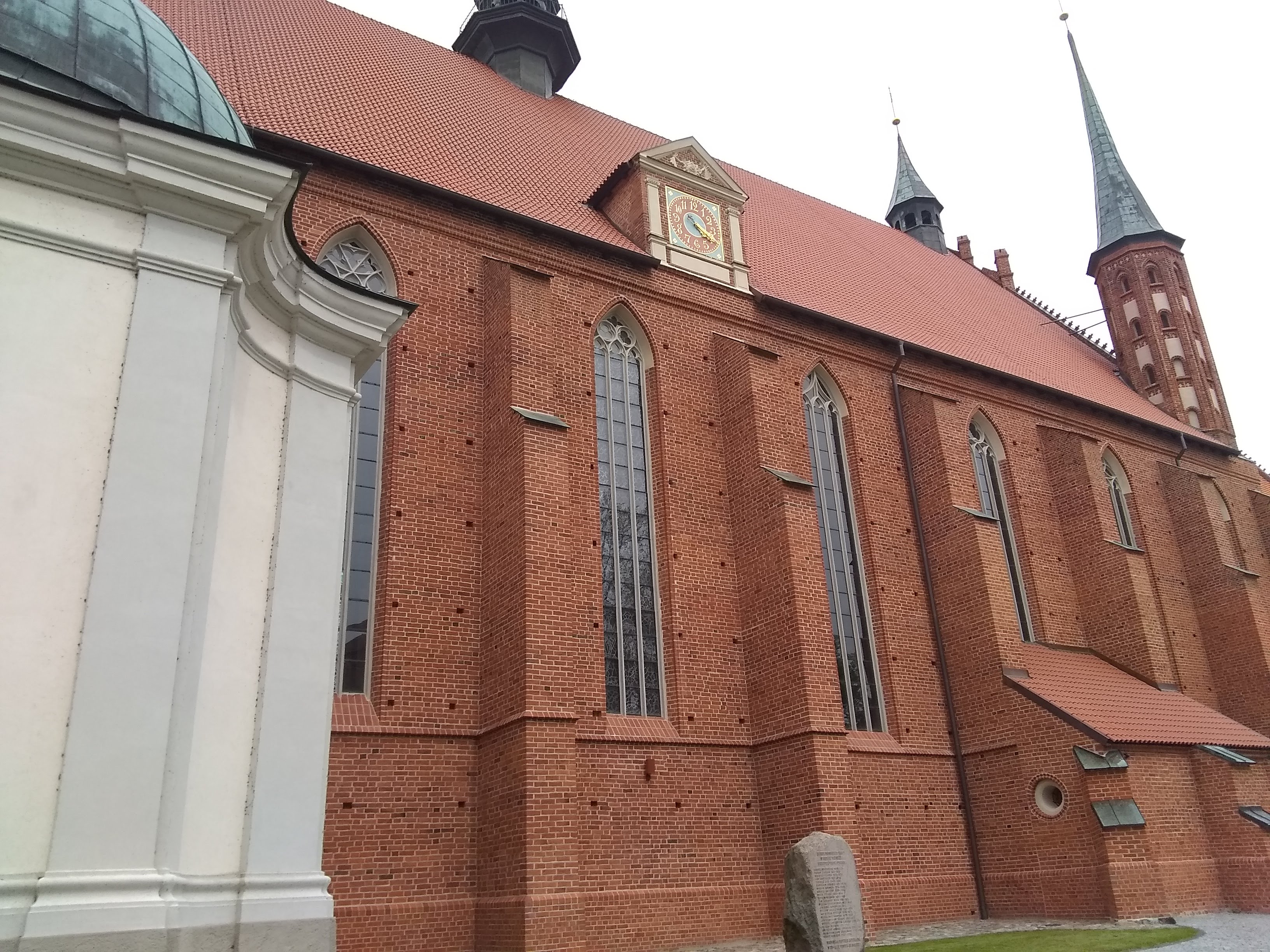
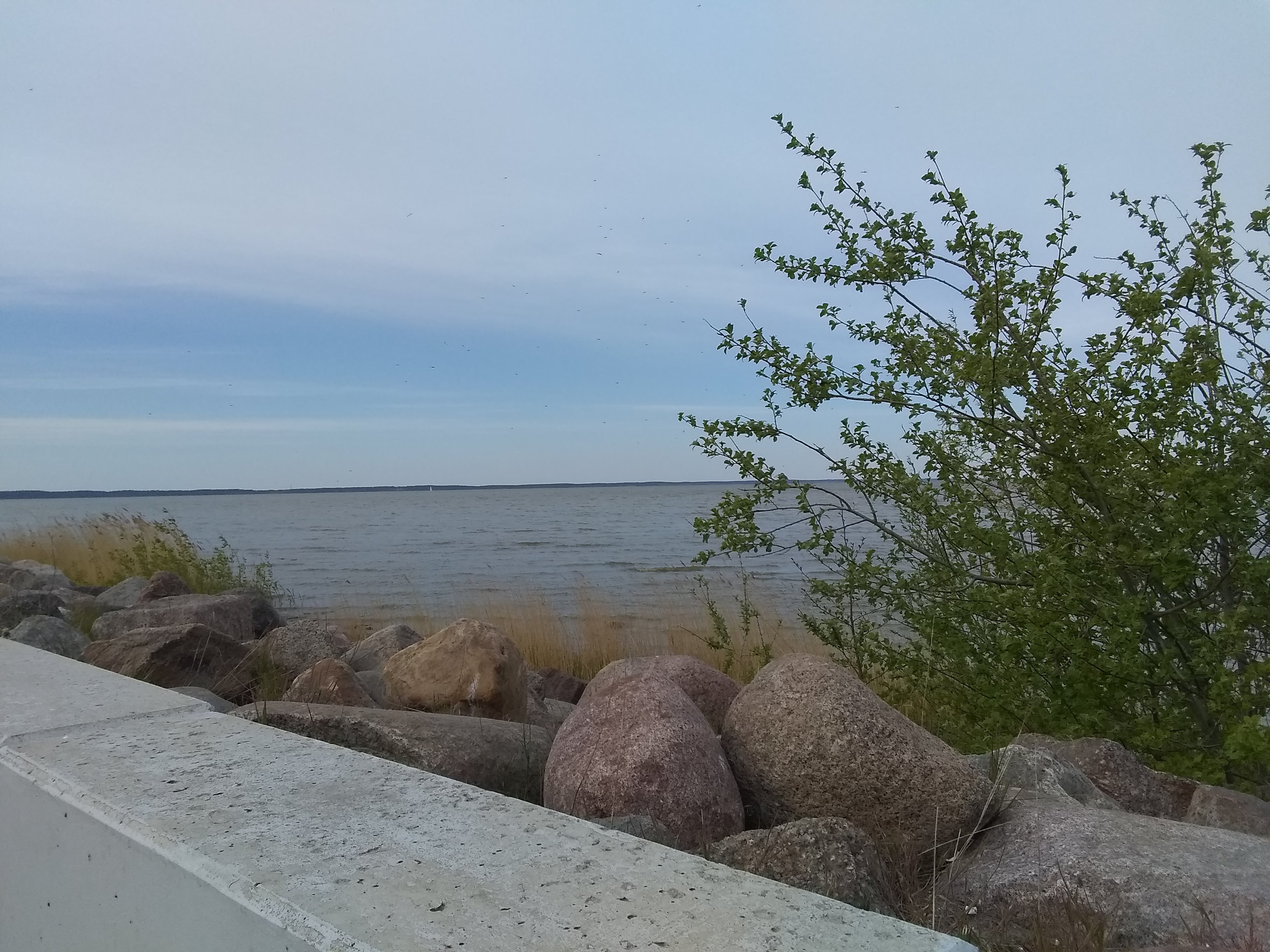
Upon arrival, we went into a walled area that contained a tower, the town’s cathedral, a museum, and the planetarium. Below, you can see the walled area, the tower, and the view from the tower. From the tower, you can see the Baltic and also part of Russia, which looks just like Poland. Borders can be funny that way.

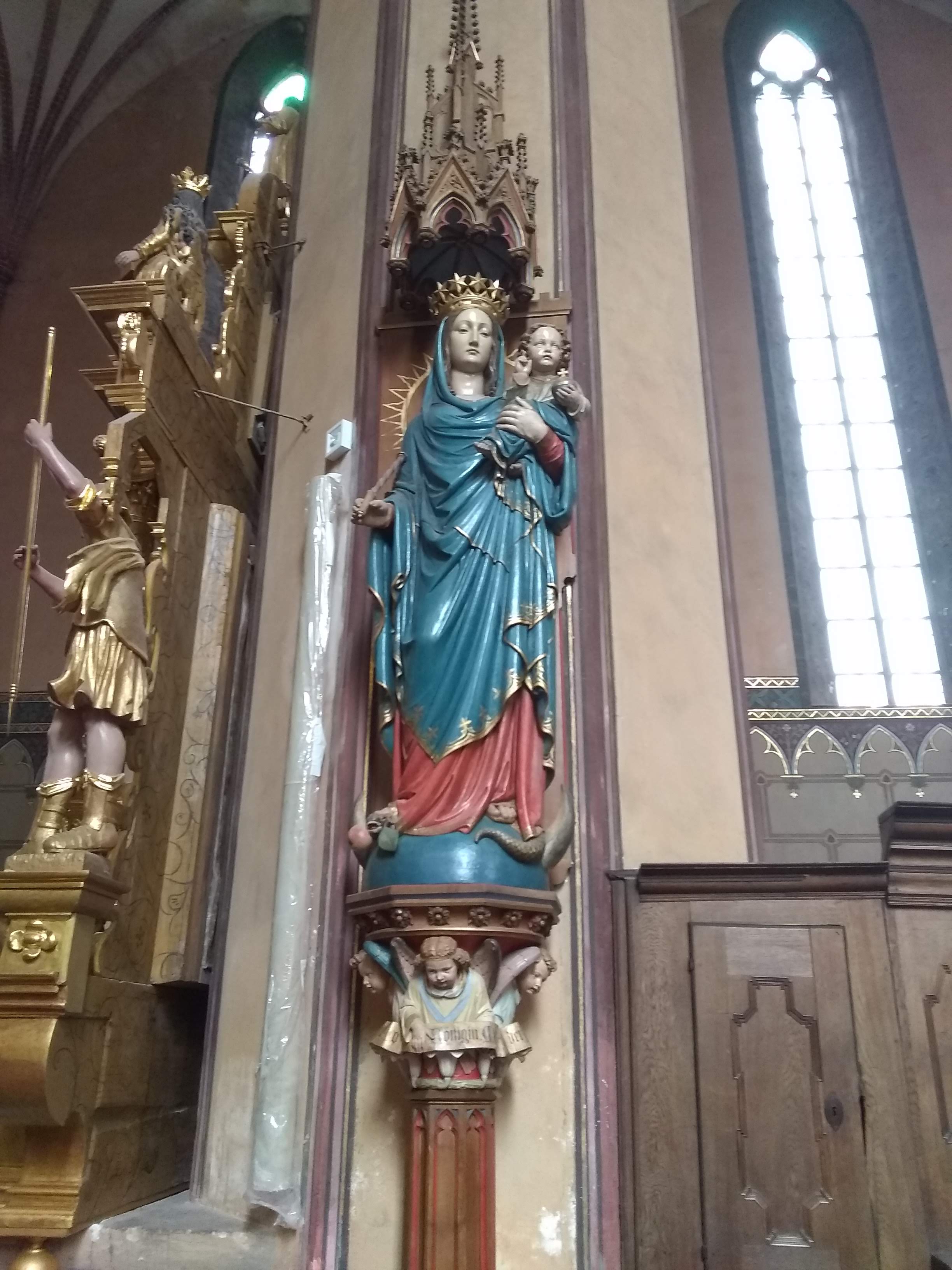
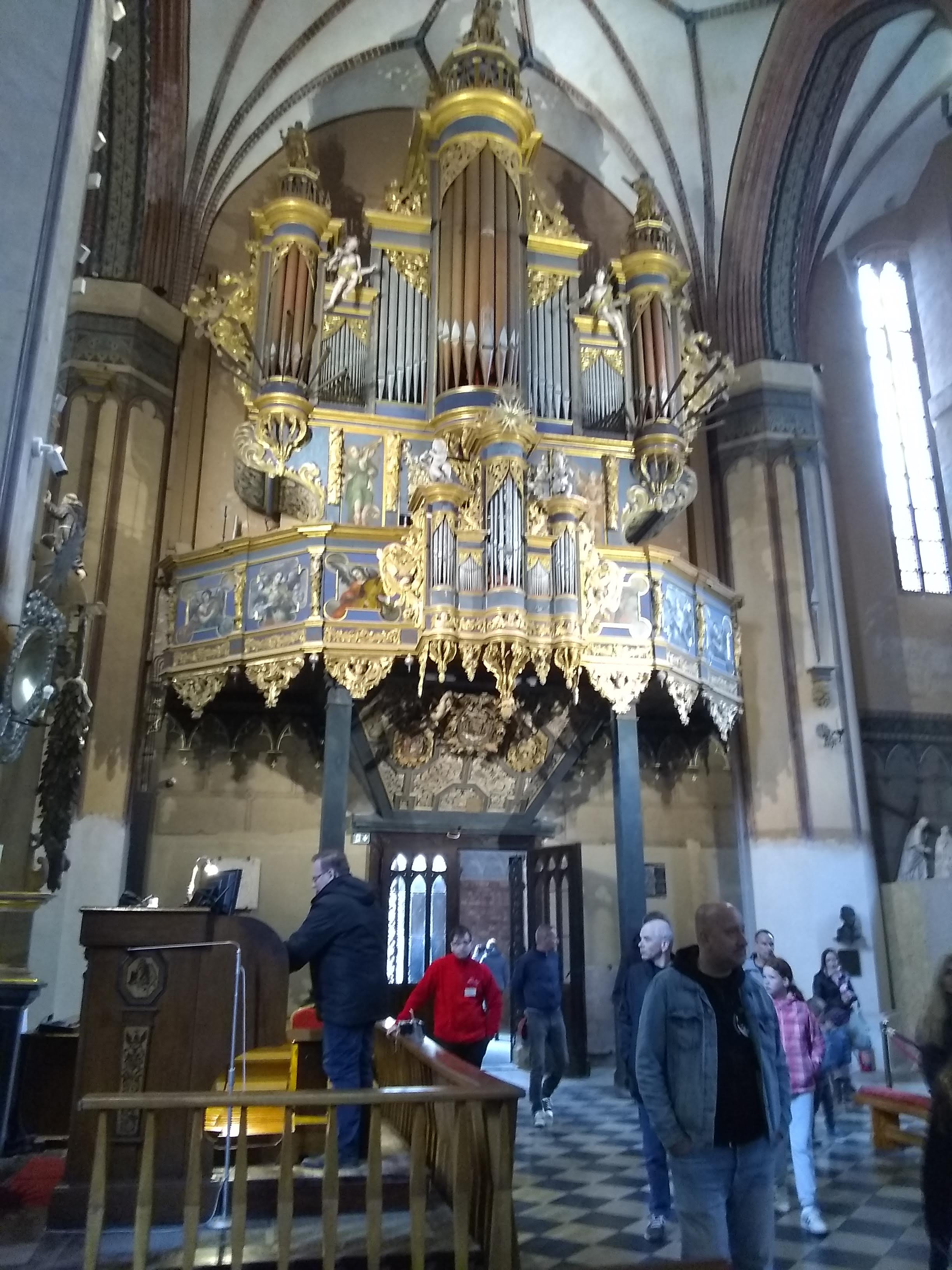
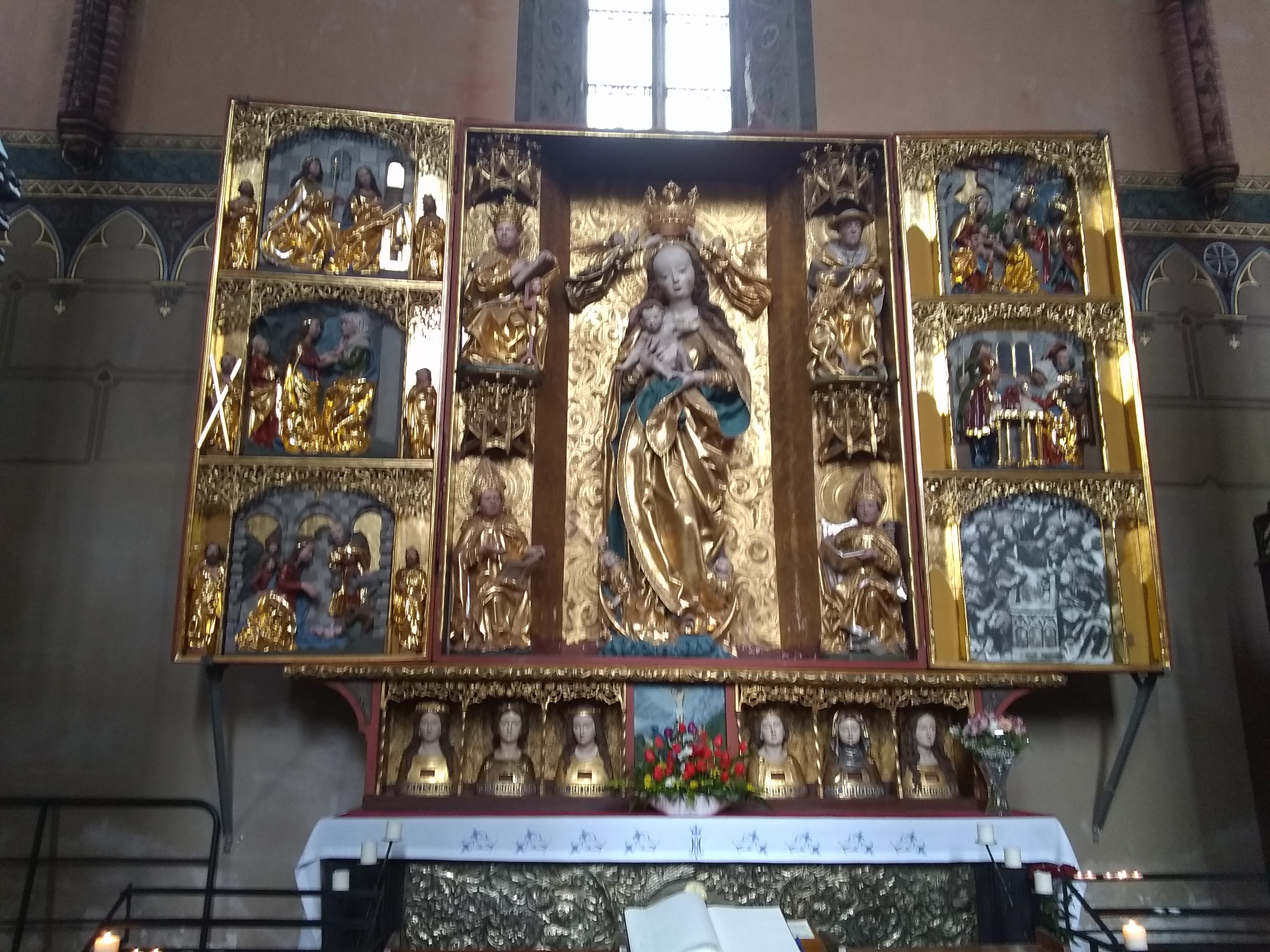
Next we went into the Planetarium and saw a star show. It was interesting, though in Polish, so Andy and I didn’t learn much. Next, we went into the cathedral. This is where Nicolaus Copernicus is buried. There is a series of posters that show the celebration and re-burial, but of course these are in Polish. If you are interested in how and why Copernicus’ body was re-buried in Frombork Cathedral, here is an article in the Smithsonian Magazine.

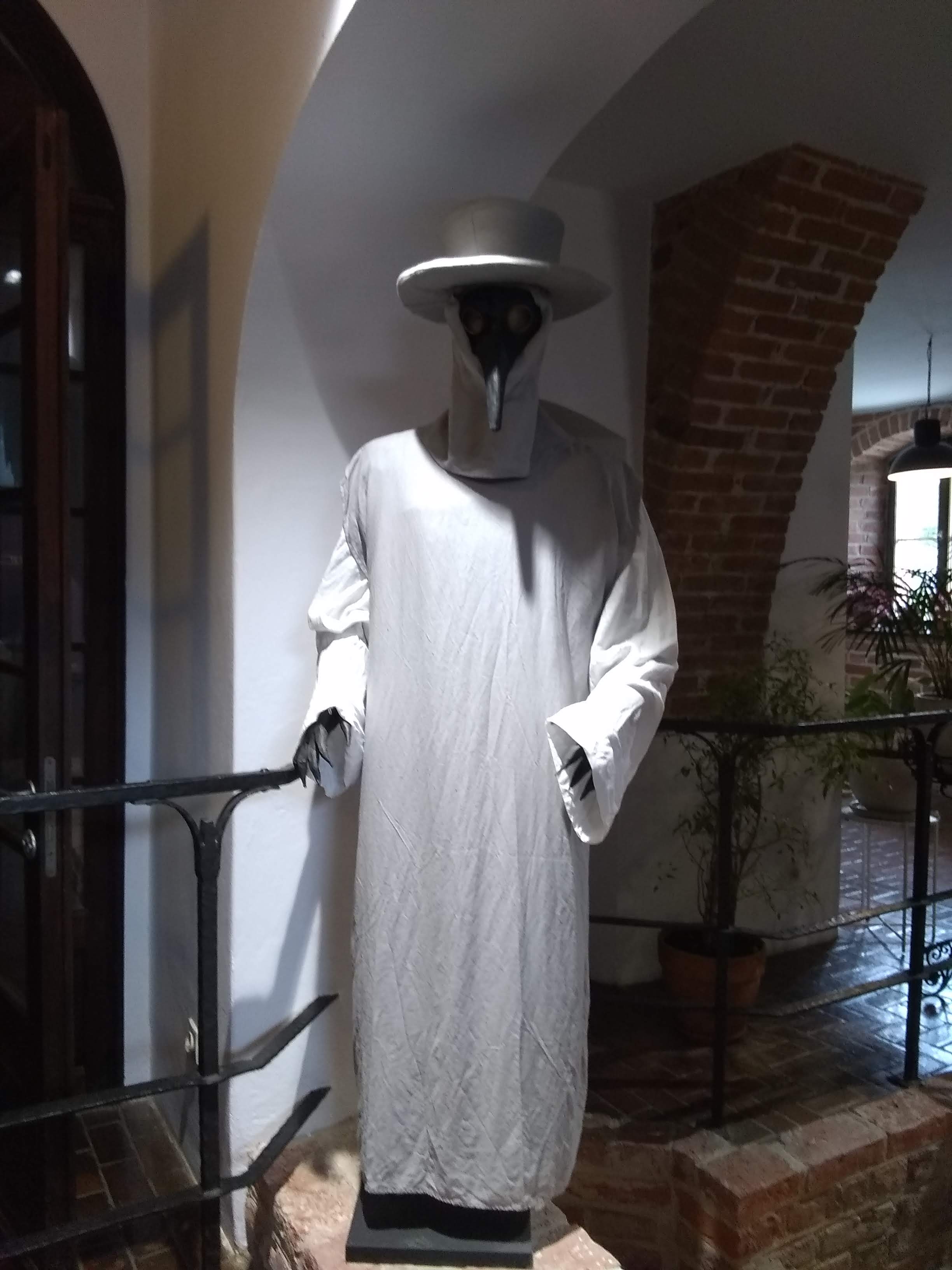
Next, we left the walled area and went in search of the Holy Spirit Hospital, also called the Museum of the History of Medicine. It had some fascinating and horrifying displays about medieval medicine. I was so engrossed, I only took one picture.

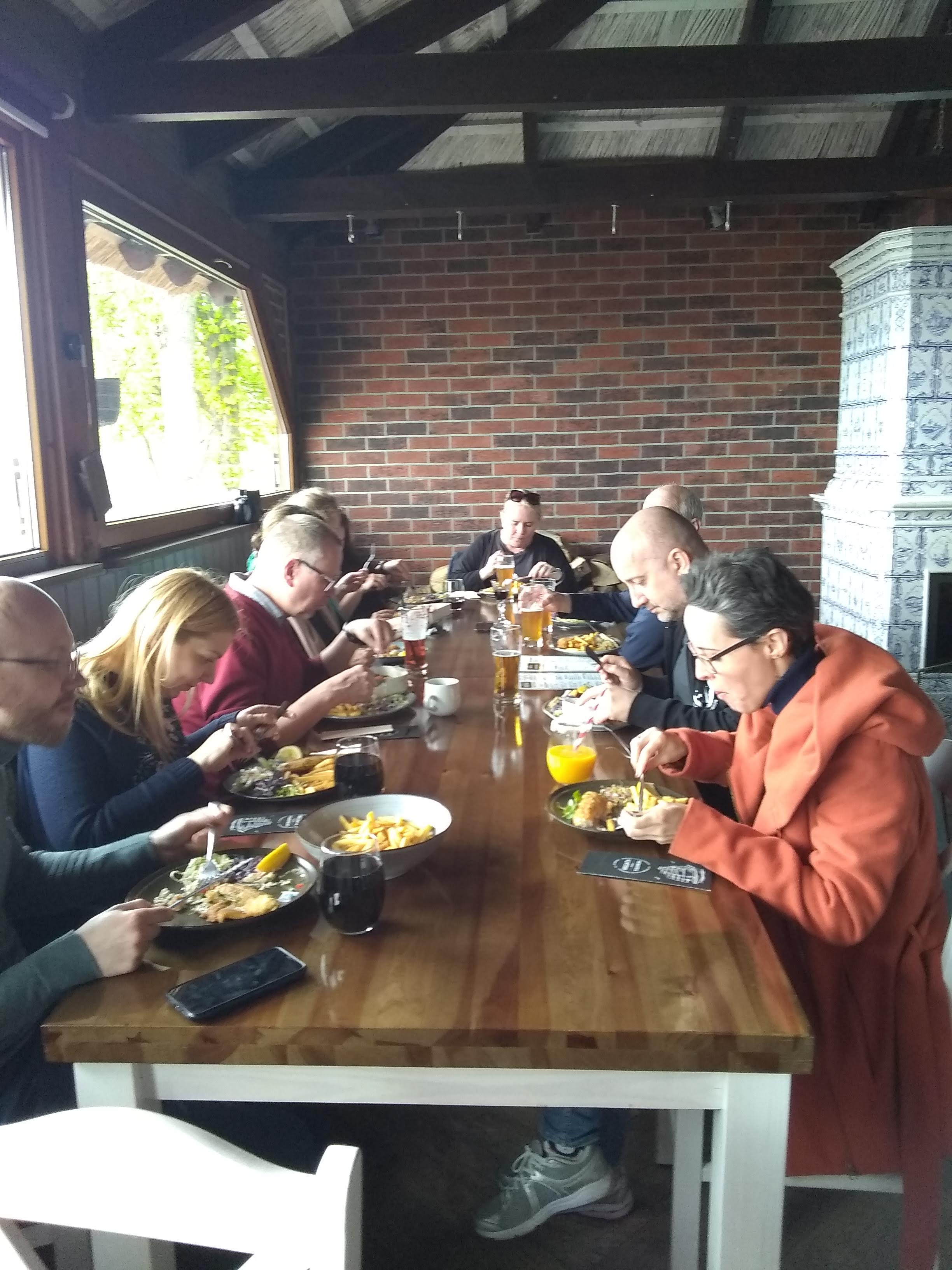
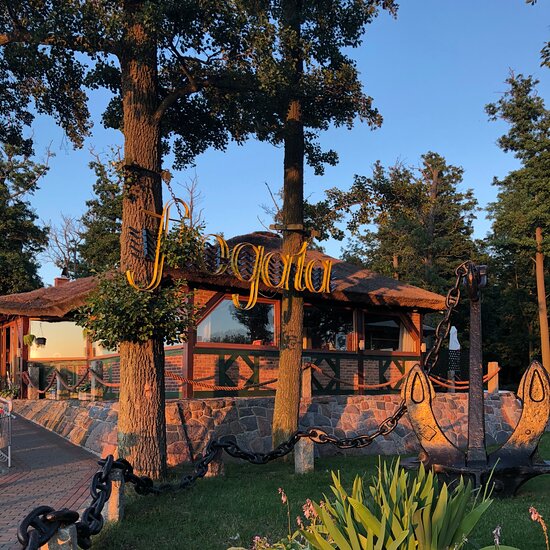
All of this adventuring had made our group hungry, and our organizer(s) had planned for this. We got back in our cars and headed to the village of Tolkmicko and the Fregata restaurant, located on the Baltic. Their specialty was fish, and that is what most of us ordered. Yum!

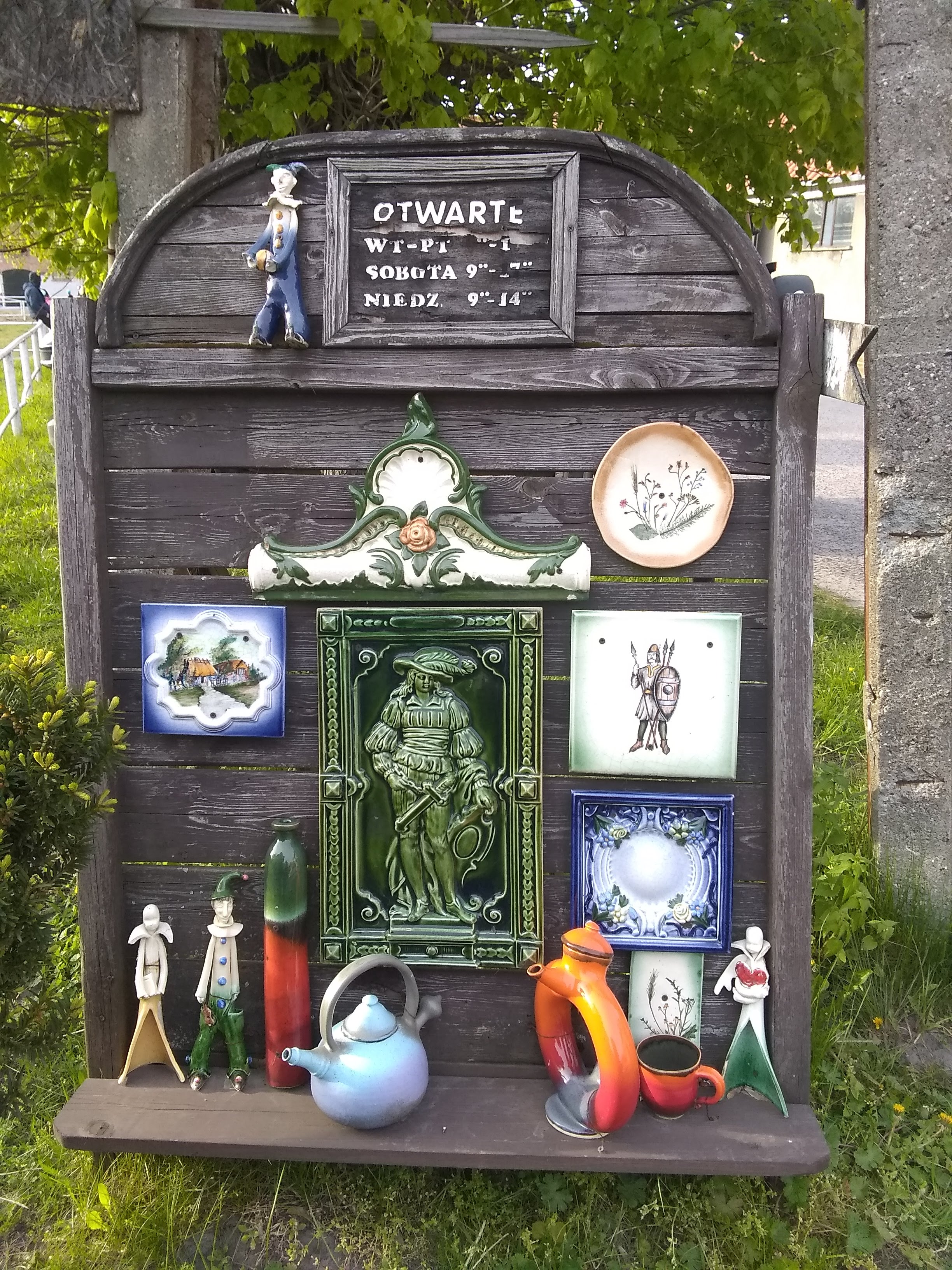
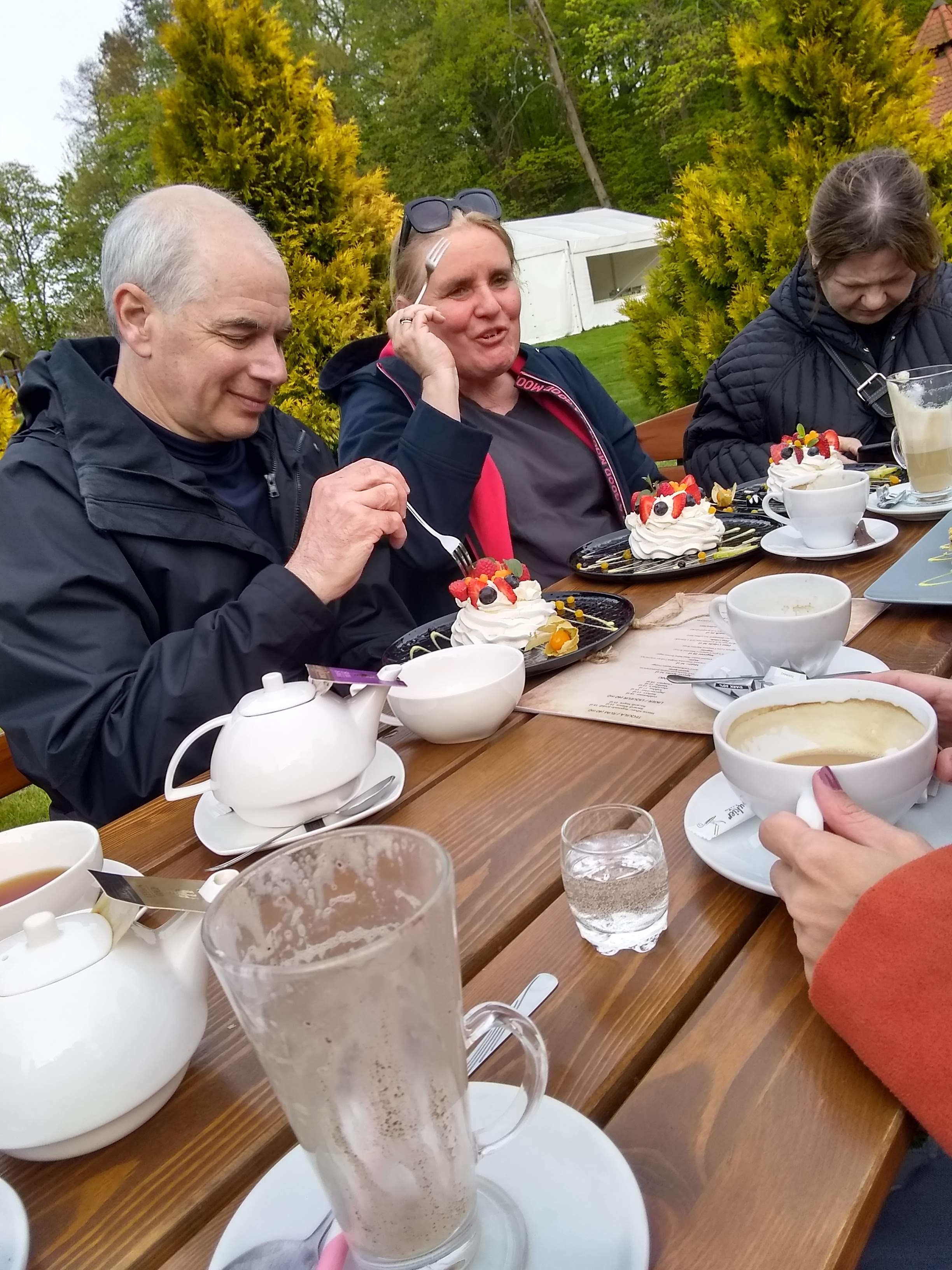
Our next stop was a small village with a ceramic studio that was, unfortunately, closed. I took a picture of its lovely sign, though. Luckily, this village was also chosen for coffee and dessert, which was delicious.

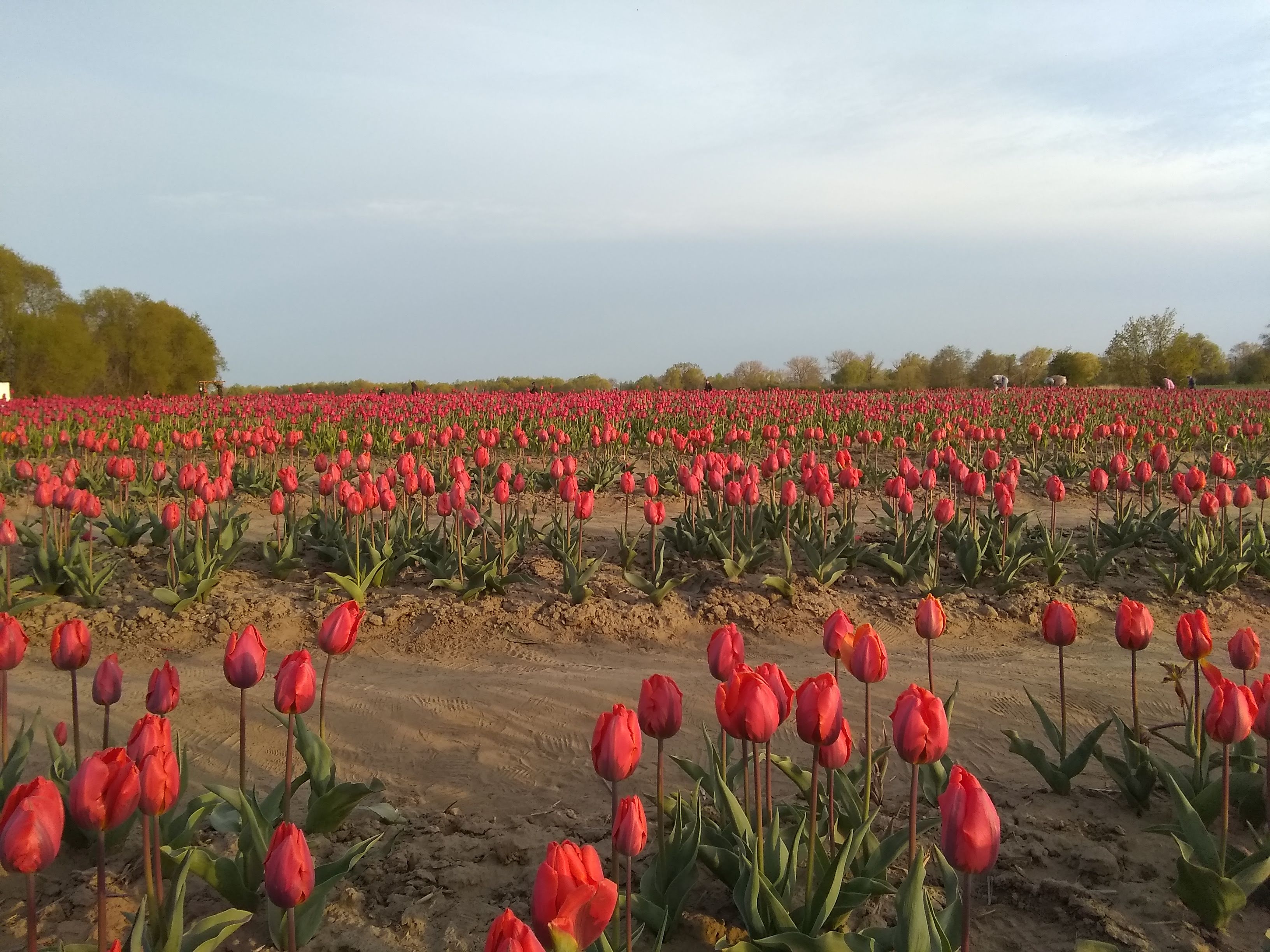
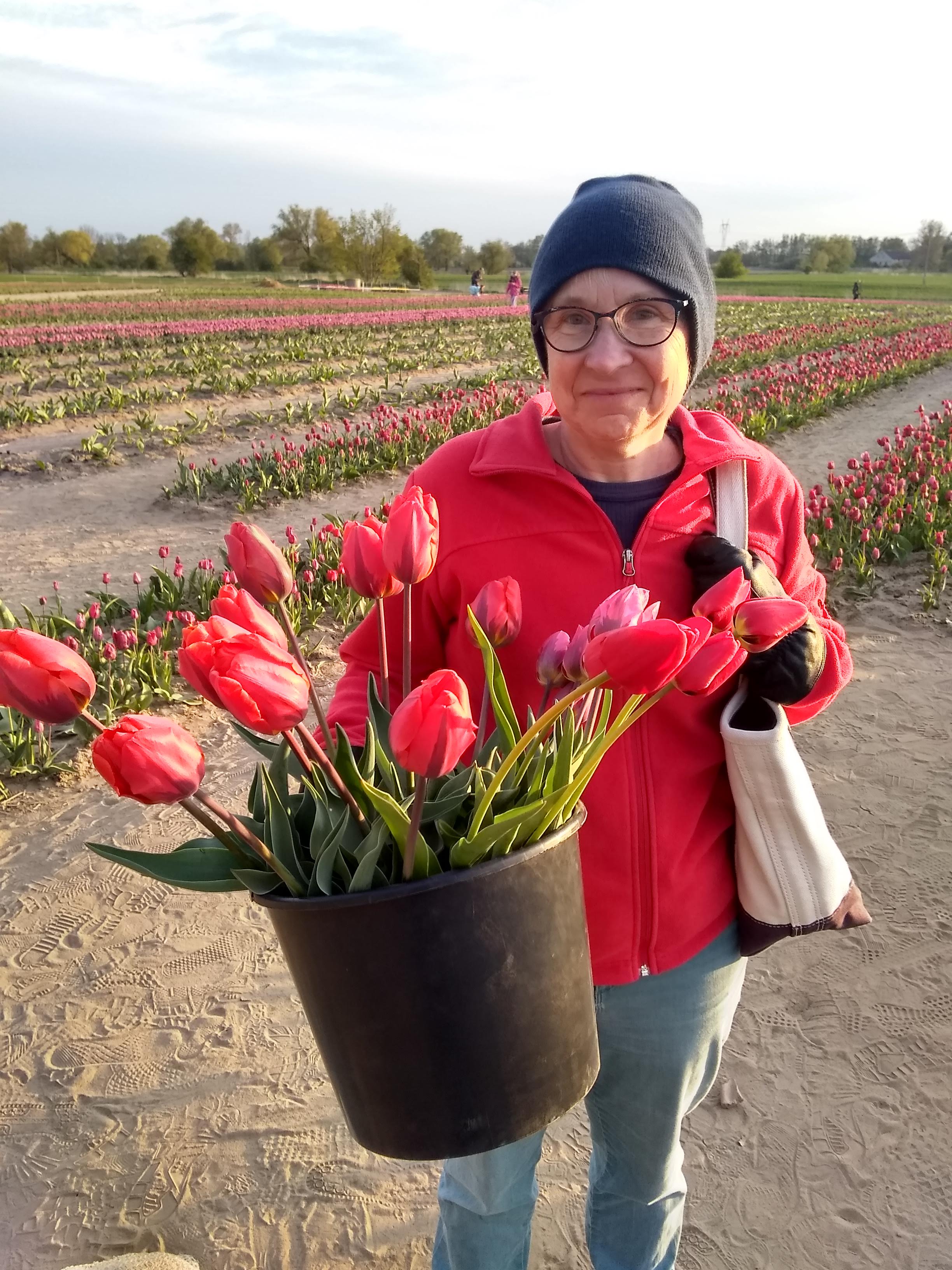
When we all headed to the parking lot, Andy and I assumed our adventure was over –but no! Our last stop was at a pick-your-own tulip field.

This was the final place we visited. It was almost 9pm by the time we pulled into our neighborhood, although it wasn’t yet dark. The sun stays out late this far north. A long, exhausting and marvelous day. I’m so lucky that Andy joined a fun and welcoming choir.

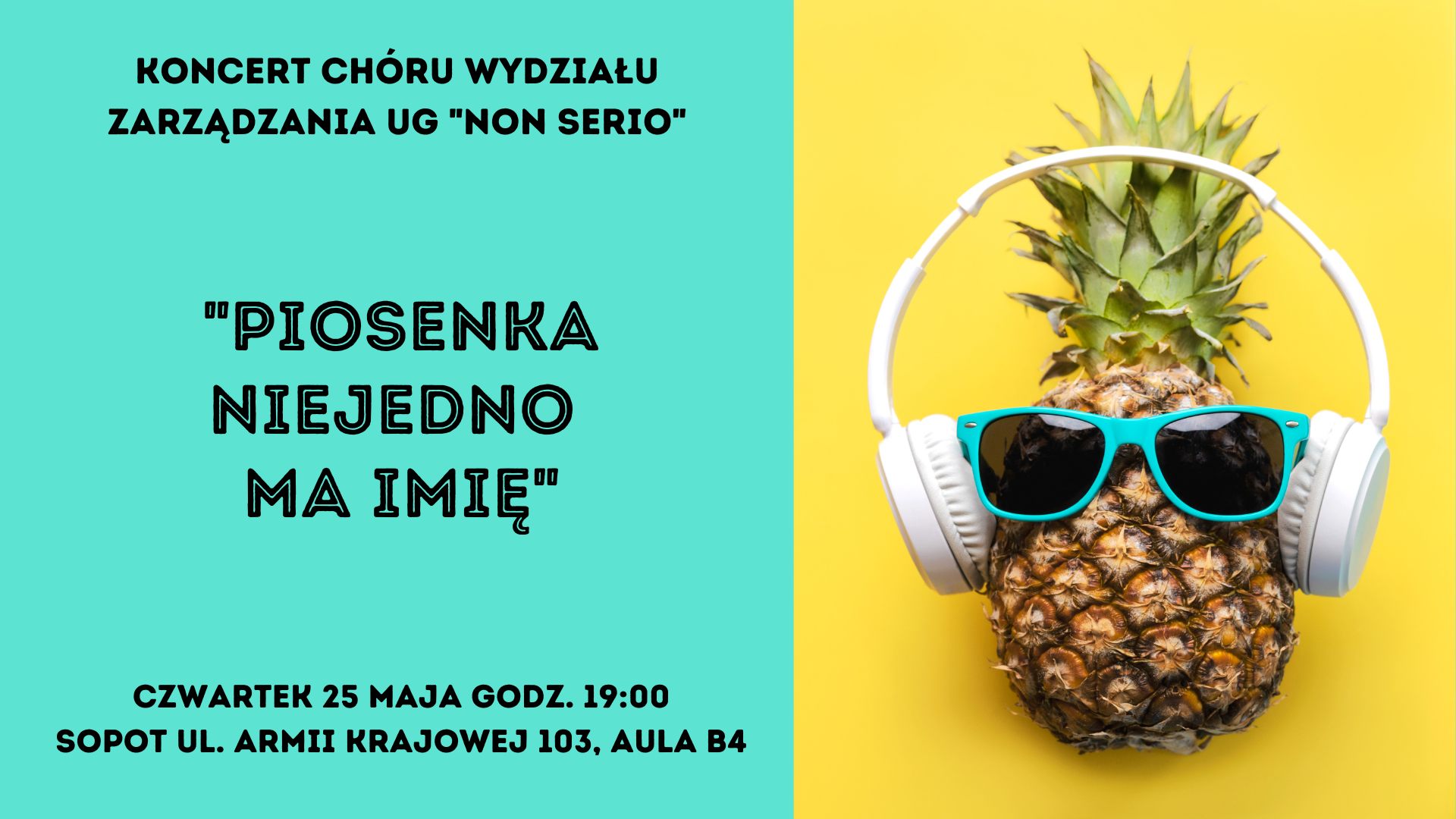
Non Serio had a concert on Thursday, May 25. Andy even had a solo. You can see that video and read about his choir experience at his blog.

Wet Monday and Sobieszewska Island

Here in Poland, the day after Easter Sunday is a national holiday, Lany Poniedziałek or Wet Monday. No school, most businesses are closed, and watch out for water fights! The day is also called Śmigus-Dyngus, and you can read about its long tradition in Poland here.

We were warned that people would be out and about water fighting, and even strangers could fall victim to a water balloon or bucket drenching. All morning, we heard the laughter and shrieking of children in our apartment’s courtyard, chasing each other with water guns:

Fortunately, nobody seemed to be interested in getting us wet. We didn’t leave the apartment until the early afternoon. The day was gorgeous, warm with a bright sun and a cloudless blue sky. We headed to a bird sanctuary island we’d heard about, Wyspa Sobieszewska, just east of Gdansk:

The bus let us off at a dead-end road that then became a sandy path into the forest. The walk soon became a terrific climb. The forest had grown on top of sand dunes, and they made a high crest just inland from the Baltic Sea coast. Andy discovered that a geocache was hidden nearby, so we walked along the ridge looking for it, eventually climbing to the top of the tallest sand dune, Gora Orla. (Mountain Orla, named in good humor?) Andy found the cache, which was hidden in a deep, square cavity in the hill, possibly made by mortar fire? a bomb? I didn’t take a picture of the hole, but here is what the forested ridge looks like:

Then we trekked through the forest, up and down hills, until we finally came to the beach. We were tired, so we put out a blanket and got cozy on the sand. As I’ve said before, I love the Baltic Sea. After a short rest, I took off my shoes and socks and headed to the water. It was cold, but refreshing. Standing and watching the waves come in is mesmerizing.

I’d thought there might be people getting each other wet at the beach, but the people we saw were sitting and enjoying the sun or walking slowly along the edge of the sea. It was windy and in the 50s Fahrenheit, about 12 Celsius, and we were a long way from anyplace anyone could get warm again. Most people probably realized it wasn’t a good place for water fighting.

We didn’t see many birds. I’d have to do more research than I’ve done so far to learn why the island is a bird sanctuary and when and what kinds of birds migrate through. (Note: I spent about five minutes researching this and gave up.) If you can add something about the bird sanctuary on this island (or maybe we went to the wrong place??), please share your knowledge in the comments. Birds or no birds, we had a wonderful time exploring the forested sand dunes and the beach.

Easter

I’m sorry to say that I don’t have Easter pictures; however, I have learned a bit about Polish traditions. On the Saturday before Easter, families put together a basket of food (eggs, cheese, sausage, bread, etc.) and take it to the church to be blessed. That food becomes their Easter morning breakfast.

Andy and I had a wonderful Easter-day feast, thanks to our friend Sarah, who bought most of the food (bigos, hard-boiled eggs, roasted chicken, red cabbage, egg salad with veggies, cheesecake and mazurka, and so much more!). Thanks also to our friend Wojczech who delivered to us a delicious babka cytrynowa that his mother made. And we are thankful for the friends who gathered with us to eat, drink, converse, and have a really wonderful time. I’m disappointed that I didn’t take pictures.

I hope you are well and enjoying good food and friends.

Until next time, do widzenia!

Birthday Books

Before moving to Poland, I began downloading free books in case I had a hard time finding English language books here in Gdansk. I follow Bookbub which sends a daily email alerting me to a list of free or inexpensive books. Early this month (March is my birthday month), I was in need of a new read and started one of these books, A Brazen Curiosity by Lynn Messina.

In Regency England, Beatrice Hyde Clare is a shy, drab, bookish spinster of twenty-six. On a visit to friends in the Lake District, she cannot sleep and goes to the library to find a book. Instead, she finds a dead body, with the handsome, pedantic Duke of Kesgrave standing over it. Fearing for her life, she becomes brazen, arguing with the Duke and then trying to solve the murder case. Beatrice is clever and witty, and the Duke is a marvel of a love interest. The books are so funny! The romance builds and is maintained in a way of which I verily approve! I was hooked–and lucky too, because there are eleven (Yes! Eleven! Hooray!) books in this series. And they are all amazing!!

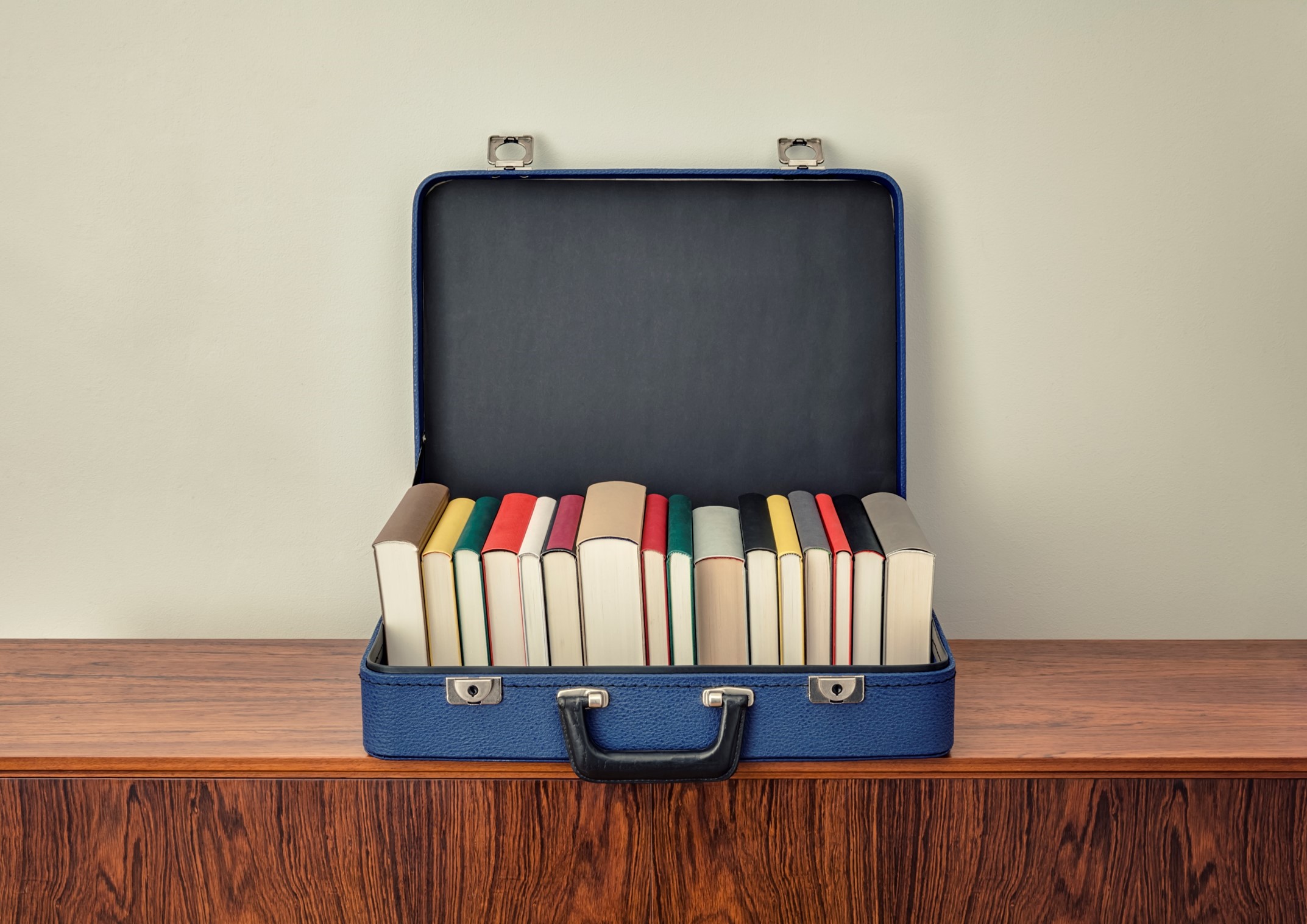
If you counted, you’ll notice the picture has only eight books. I assure you, there are currently eleven, and I’m hoping the author writes more.

Spendthrift that I am, I rarely purchase books, but it was my birthday month, so I read and bought, read and bought, all through my birthday month, treating myself to all eleven delightful books for my birthday.

If you liked Wilde Wagers, you will love this series. It is silly, for sure, and engaging and so smart, and lovely. Positively lovely!

I’ve discovered that there are two books related to the series as well, A Lark’s Tale, and A Lark’s Flight (pre-order) which look like a new series, related to the Beatrice Hyde-Clare series. As I googled A Lark’s Tale to find a link for above, I discovered that it is on sale. I’ve now bought and downloaded it. (It is still March!) More for me to read! Hooray!

If you pick up A Brazen Curiosity, I hope you’ll let me know what you think.

Happy Reading!